Build wood-saving stoves to decrease tree cutting
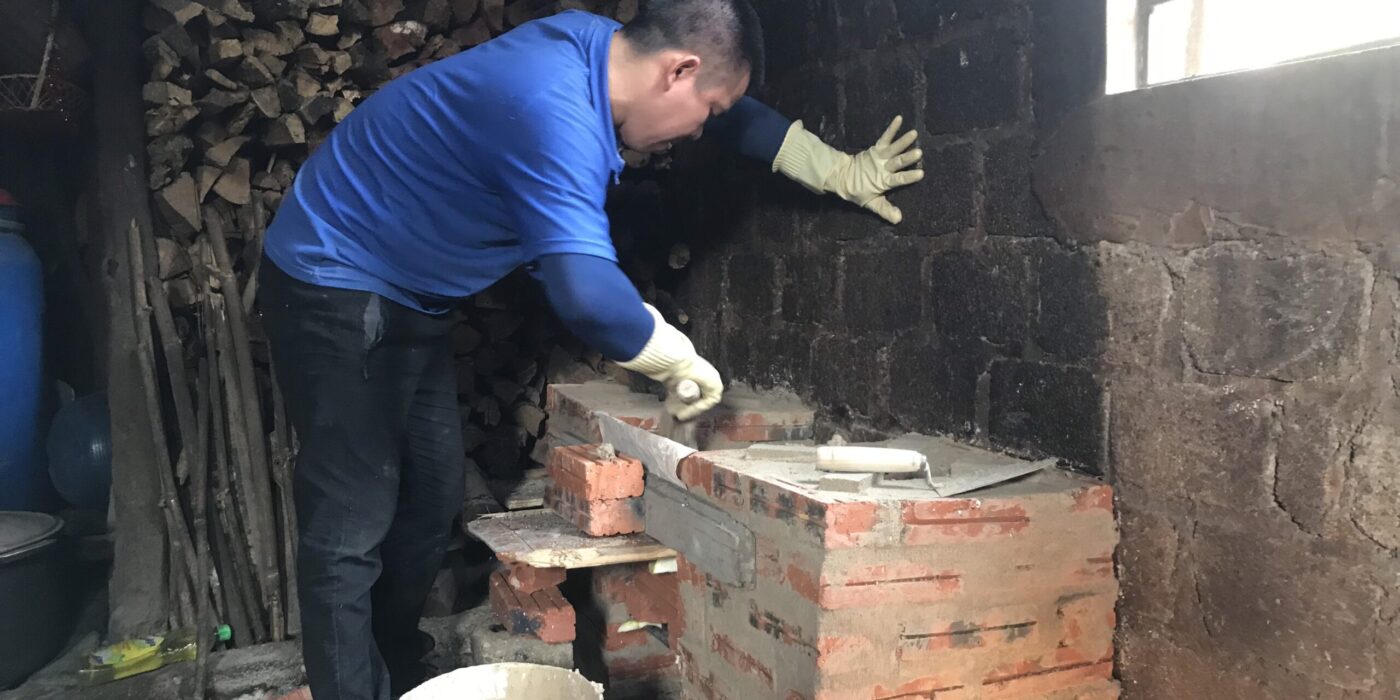
In February 2023, PanNature supported the construction of 8 wood-saving stoves for 8 households in Pa Cop village, Van Ho commune, Van Ho district, Son La province.
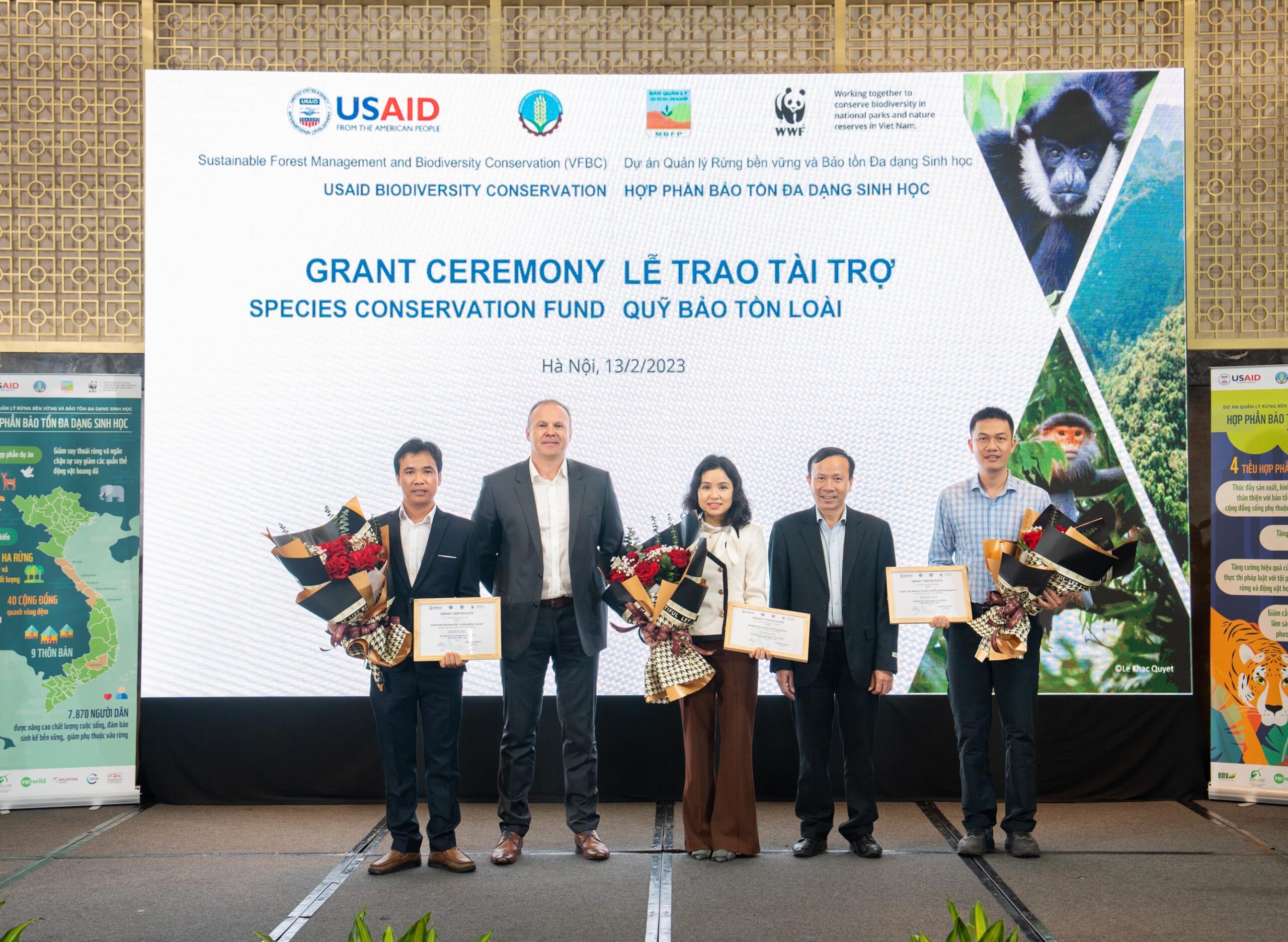
PanNature among three local organisations, received the first grants provided by the Species Conservation Fund (SCF) as part of the five-year USAID Biodiversity Conservation Project.
In order for the results and recommendations of the report to be disseminated and implemented, we would like to send this letter to Facebook and YouTube Managers in Vietnam. We urge that Facebook (Meta) and YouTube (Google) review existing regulations and apply more effective mechanisms to eliminate wildlife trading activities on social media platforms.
In Vietnam, many forests are being effectively managed by the most active guardians - the local communities - thanks to their cultural norms: the forest left by their ancestors is also the place where the forest god resides. It’s the traditional regulations and laws imprinted through the traditional practice of worshiping the sacredness of the gods that guide the community to manage and protect these forests for hundreds and thousands of years. However, there are challenges ahead that hinder them from playing their role.
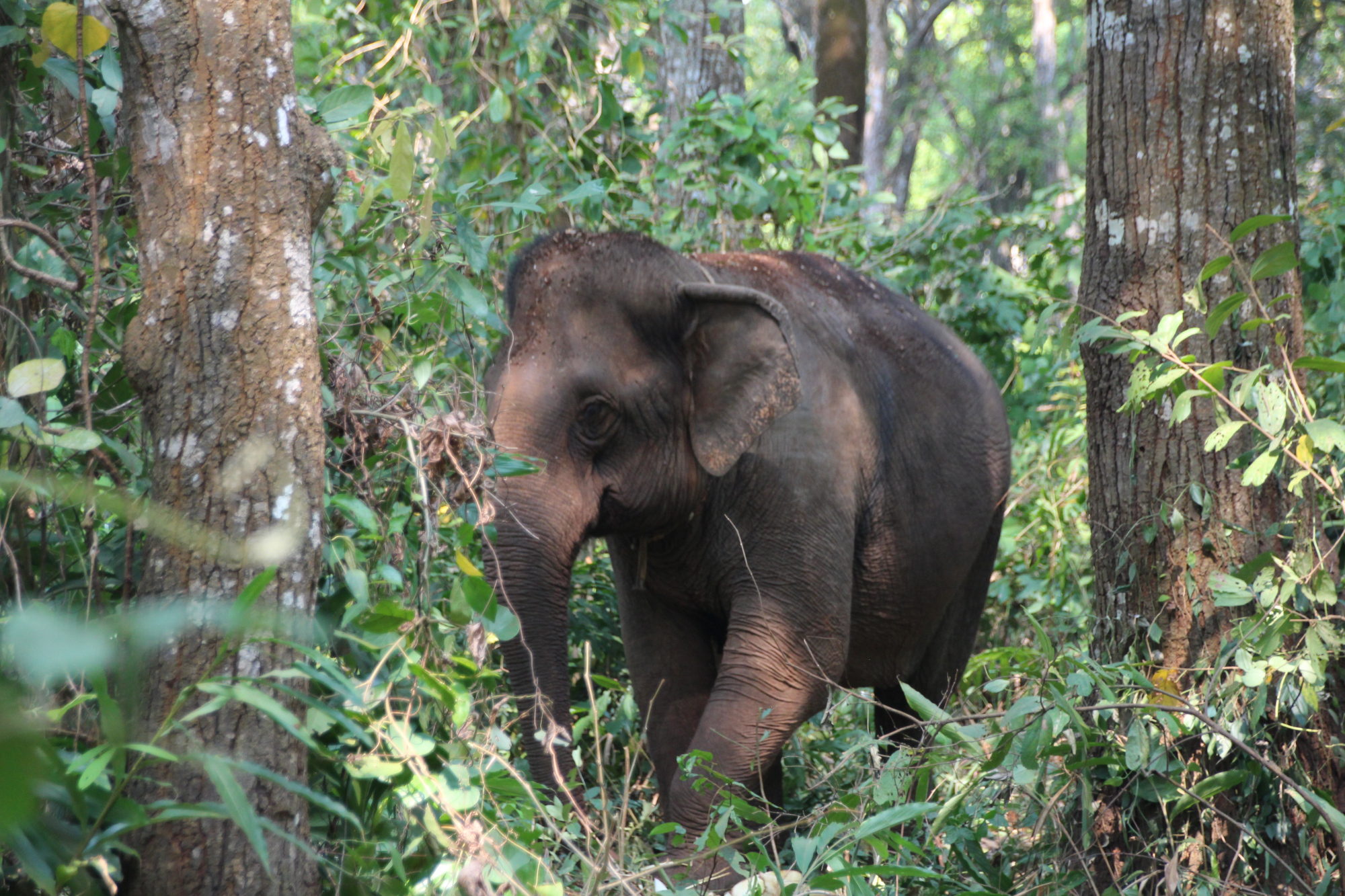
Since 2012, August 12th is recognised as World Elephant Day. World Elephant Day has become an opportunity for everyone to raise awareness about elephant protection and seek solutions to reduce conflicts between elephants and humans; as well as efforts to preserve this species in the wild.
The Covid 19 pandemic has been upended the world for the last two years, causing dramatic losses of human lives and social and economic disruption. Along with immeasurable losses, the pandemic has also entailed socio-economic changes and humanity's perception of the world we are dwelling in. The virus that causes the Covid-19 pandemic is likely to originate from wild animals. Although this is not a firm conclusion up to this point, it is a deeper warning than ever about the human way of life, which exploits nature indiscriminately, causes ecosystems to deteriorate, and leads to irreversible damages.
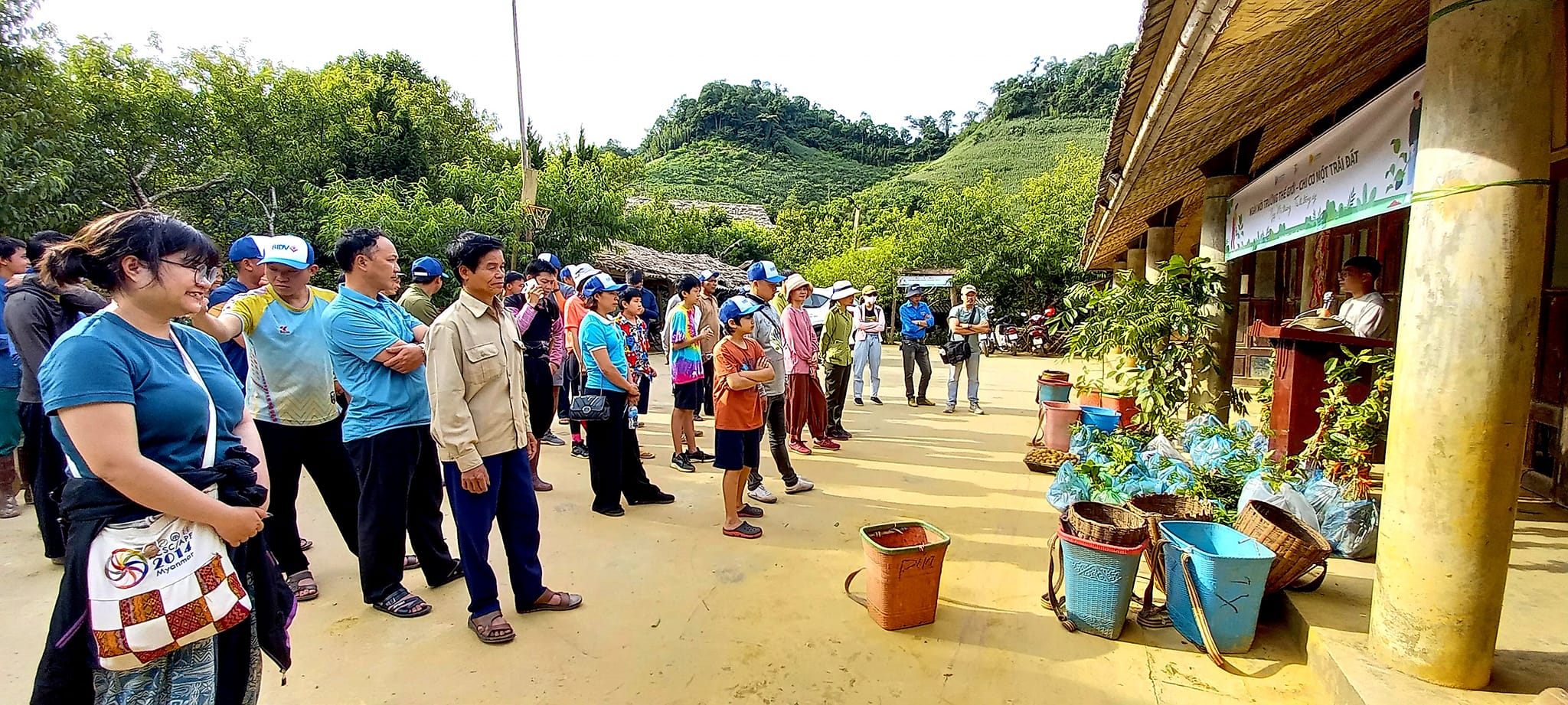
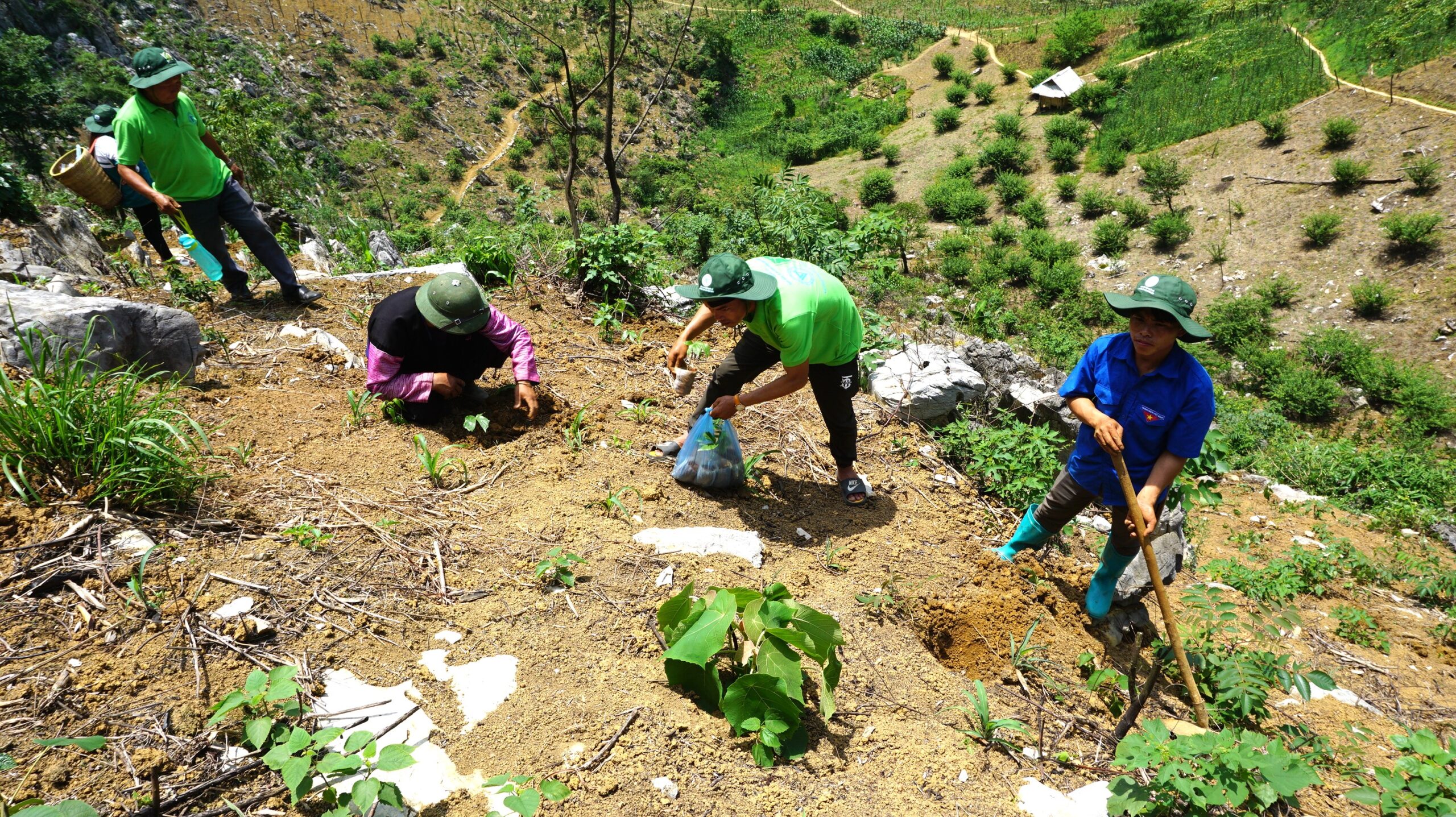
NGOs like Pan Nature continue to be engaged in World Environment Day by planting trees in Van Ho Commune in Son La, where the population of Northern white-cheeked gibbon lives and the endangered rare Northern white-cheeked gibbon. This volunteer activity is part of a long-term plan to restore 630 hectares of forest and conserve the rare Gibbon species. “While we do not have any formal partnership with the National Youth Union, we do work with the local Youth Union through capacity building and other initiatives says executive director Trinh Le Nguyen.
Stroll around any of Vietnam’s major universities, from Hanoi to the Mekong Delta, and ask a student, like Pham Oanh, what concerns her, and like so many other students with their smartphones in hand, her response will be the country’s environmental emergencies, ranging from air and water pollution to deforestation, loss of marine biodiversity, and waste treatment.
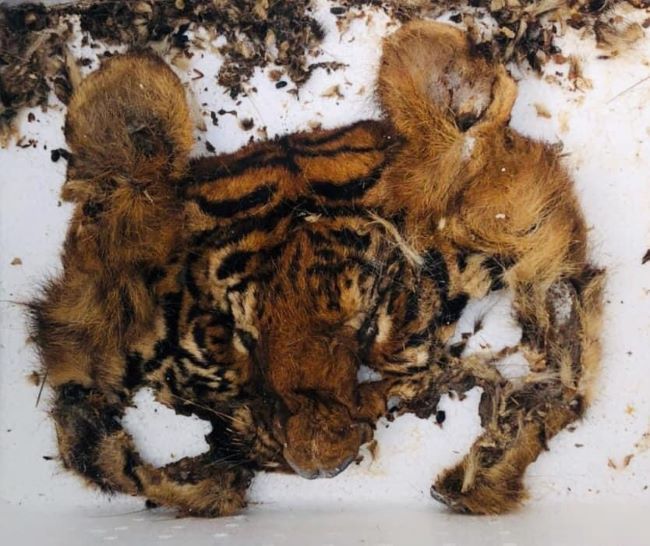
Wildlife trafficking in Vietnam remains complicated both before and during COVID-19, a report released on June 18 by the People and Nature Reconciliation (PanNature) non-profit organisation showed.
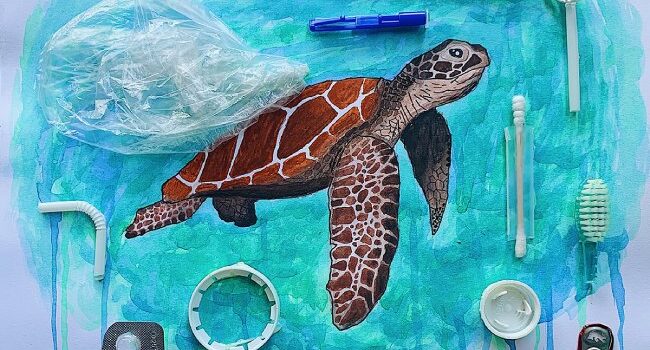
On June 21, 2021, People and Nature Reconciliation (PanNature) in cooperation with the Asian Turtle Program of Indo-Myanmar Conservation (ATP/IMC) and Humane Society International -Vietnam (HSI in Viet Nam) officially launched the Art Contest: Let's Save Turtles, creating an open…