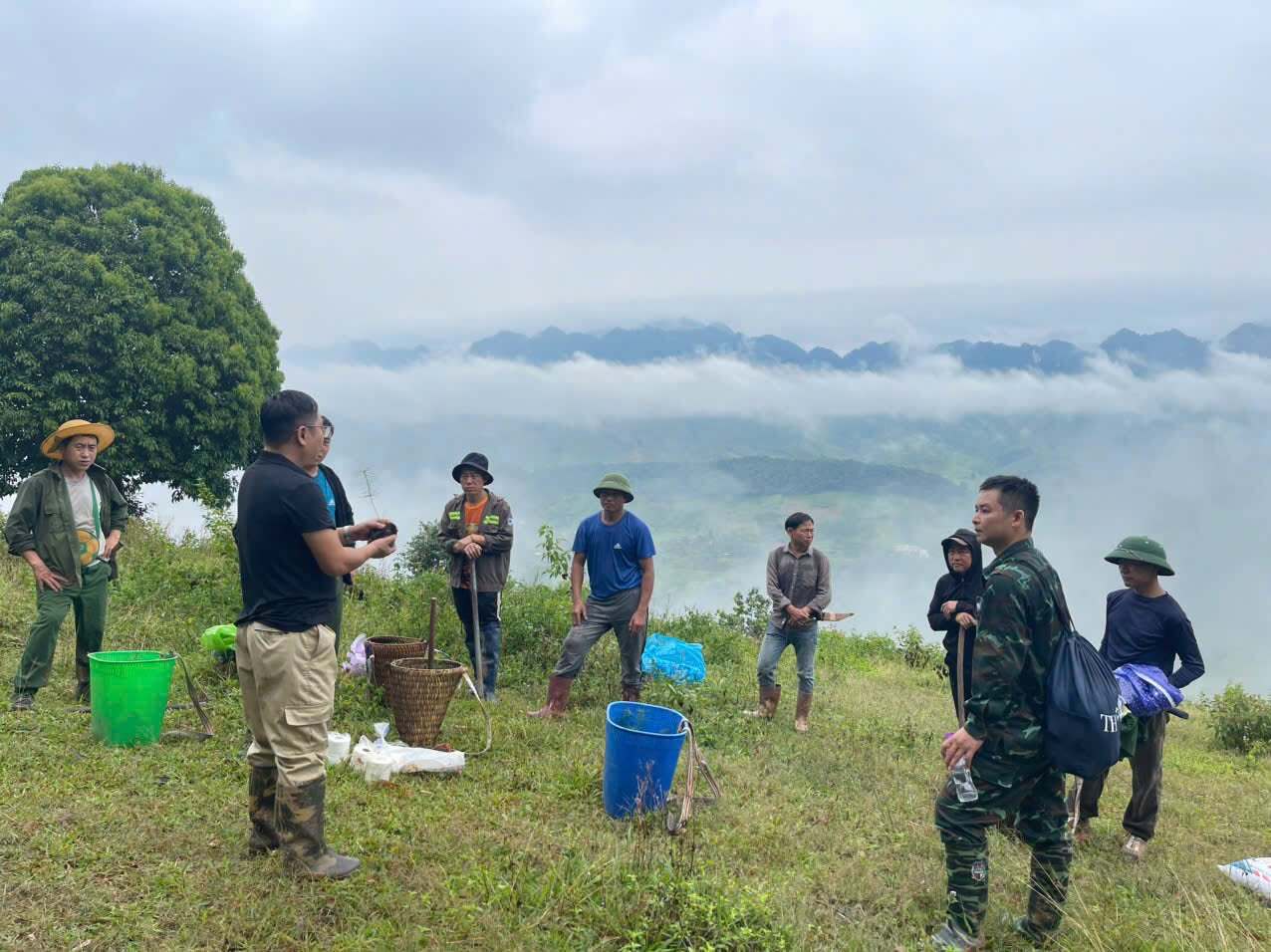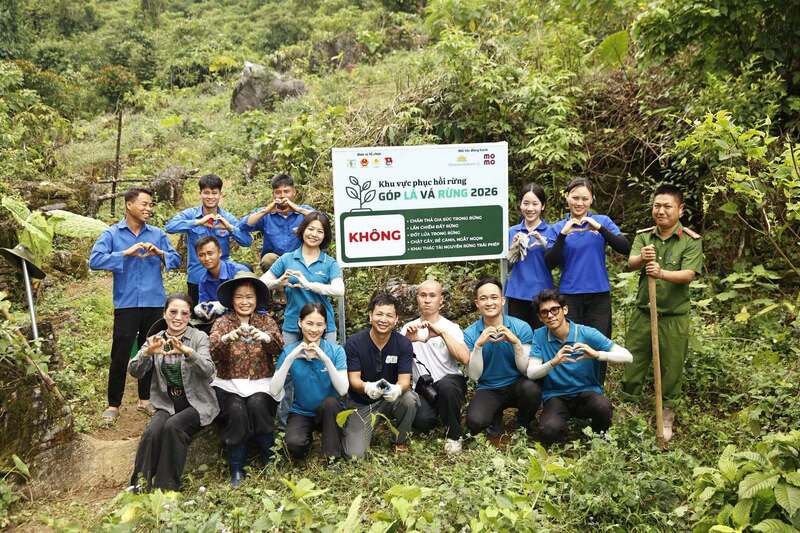
PanNature is pleased to announce the appointment of Ms. Nguyen Thi Phuong Dung as Deputy Director. Ms. Dung joined PanNature in May 2026 as Organizational Development Manager. Prior to joining PanNature, she accumulated more than 20 years of experience in nature conservation, communications, public awareness, and organizational management. During her time at Education for Nature – Vietnam (ENV), she served as Deputy Director and also managed the Communications and Public Awareness Program.
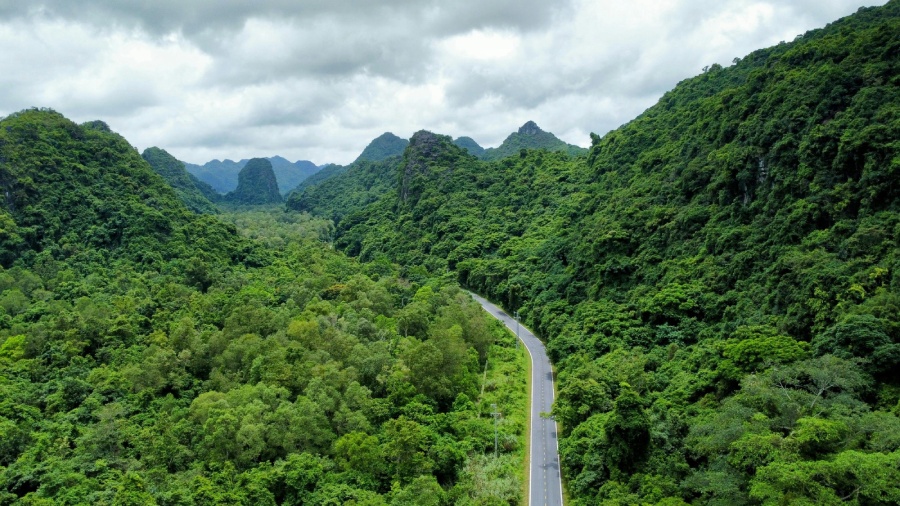
NGOs Caution Over Planned Merger of Protected Areas
(VAN) Several nature conservation organizations have called for careful consideration of plans to reorganize and merge national parks, nature reserves, marine protected areas, and wetland conservation sites.
Protected areas should not be treated as a “streamlining exercise”
Several nature conservation organizations have submitted a petition to the Prime Minister and central authorities, urging careful consideration of plans to reorganize and merge national parks, nature reserves, marine protected areas, and important wetlands as part of efforts to streamline public non-business units.
The organizations behind the proposal include People and Nature Reconciliation (PanNature), Education for Nature Vietnam (ENV), Save Vietnam’s Wildlife (SVW), Center For Highland Natural Resource Governance (CERGON), WildAct, Center for Nature Conservation and Development (CTNC), and Center for Environment and Community Resources Development (CECAD).
In their petition, the organizations stated that they fully support the government’s policy on administrative streamlining under Resolution No. 105/NQ-CP dated April 8, 2026, promulgating the Government’s action program to implement Conclusion No. 210-KL/TW dated November 12, 2025, issued by the 13th Party Central Committee on continuing to improve and reorganize the political system’s institutional structure.
“However, for the protected area system, streamlining efforts should be carried out on the basis of conservation science, ecological values, and the long-term functions of each site, rather than being treated merely as a matter of reducing the number of administrative units,” the petition emphasized.
According to the organizations, the system of national parks and protected areas possesses highly specialized characteristics and plays a foundational role in national ecological security by safeguarding natural forests, water resources, and critical ecosystems such as coral reefs, seagrass beds, mangrove forests, and wetlands. Therefore, they expressed concern that if restructuring is conducted through “mechanical mergers” based solely on administrative boundaries or targets for reducing administrative units, many unique ecological values could be seriously affected.
“A protected area may be small in size or have limited staffing, yet still preserve the last remaining habitat of an endemic or endangered species, an important coral reef system, a sea turtle nesting ground, a wetland for migratory birds, or a watershed forest whose significance extends far beyond provincial or national boundaries because of its global biodiversity value. Such values cannot be assessed merely by staffing numbers, the scale of public service units, or financial autonomy,” the organizations stated.

Proposal for a National Conservation Governance System
Based on these concerns, the organizations urged the Government to “temporarily suspend any mechanical mergers or isolated restructuring of protected area management boards at the provincial level until a comprehensive assessment is conducted on the long-term impacts of such actions on ecological values, landscape connectivity, target species, ecosystem functions, and long-term conservation requirements.”
Instead, the organizations proposed assigning MAE to lead, in coordination with relevant agencies, the development of a master plan for reorganizing the national protected area management system. According to the proposal, the plan should provide a synchronized and legally feasible framework covering finance, personnel, public assets, land, data, and management authority, rather than relying on fragmented pilot models or handling each protected area separately.
The organizations also recommended that protected area management should be based on ecological values and ecosystem connectivity, rather than solely on administrative boundaries. Areas with direct ecological connections, even if located in different provinces, could be considered as a unified conservation unit. Conversely, protected areas within the same province that differ markedly in ecological functions, target species, marine or wetland ecosystems, or management conditions should not be merged solely to reduce administrative units.
“The proposal also calls for establishing a specialized national-level authority with sufficient mandate to directly manage protected areas of national significance, while maintaining on-site management forces responsible for patrols, biodiversity monitoring, ecosystem restoration, and forest fire prevention,” the petition stated.
In addition, the organizations argued that a national financial mechanism for protected areas should be established, under which the central budget would fund core activities such as forest patrols, biodiversity monitoring, wildlife rescue, and ecosystem restoration.
At the same time, they stressed the need to prepare a comprehensive legal foundation, as reorganizing the national protected area system would involve multiple existing laws and regulations related to forestry, biodiversity, fisheries, land management, public assets, state budget management, public employees, public service units, and the decentralization of authority between central and local governments.
“Efforts to streamline the administrative apparatus must go hand in hand with the long-term protection of the country’s biodiversity values and natural capital, ensuring that conservation objectives are not weakened during the restructuring process,” the organizations emphasized.
Related Posts