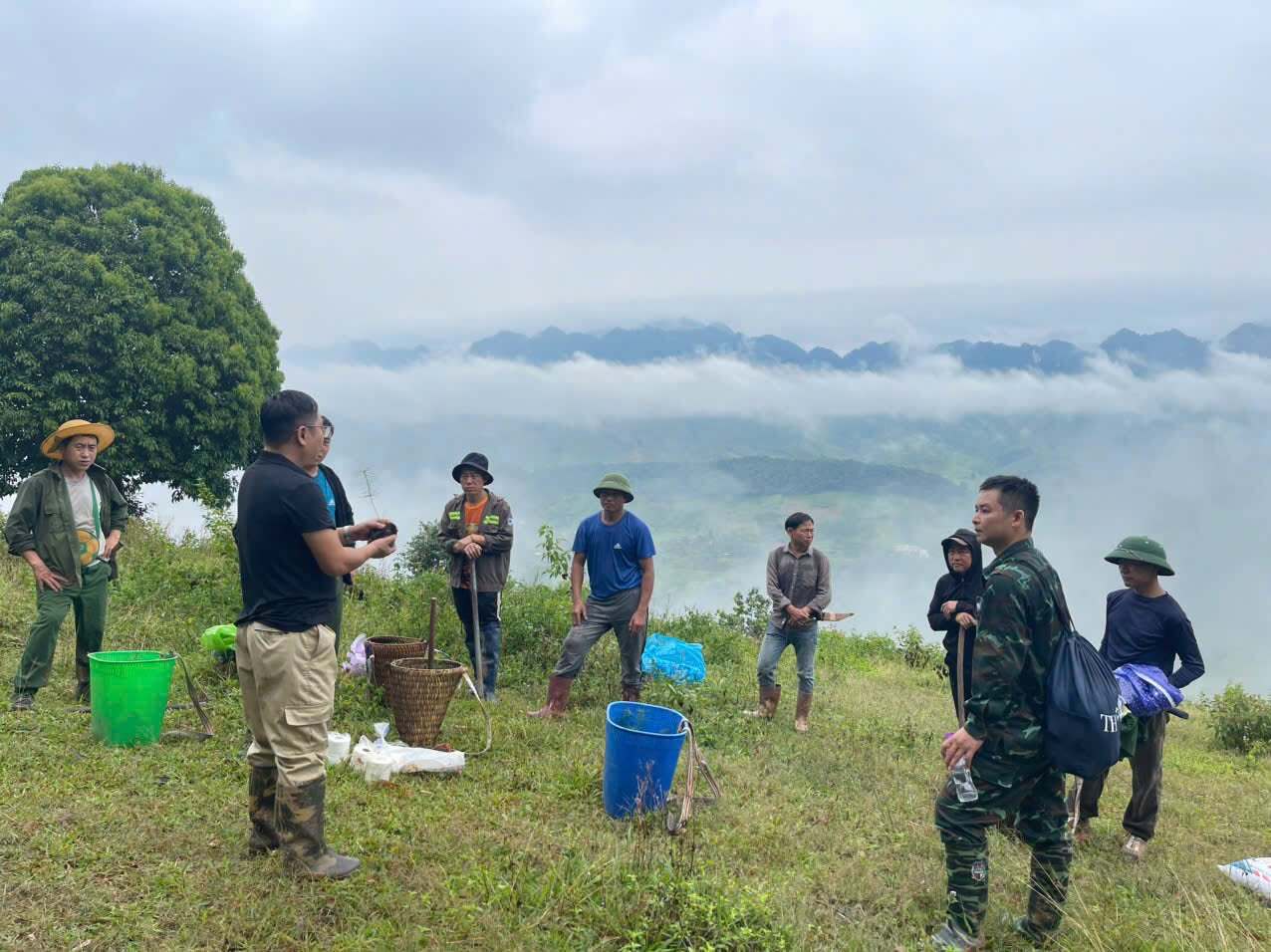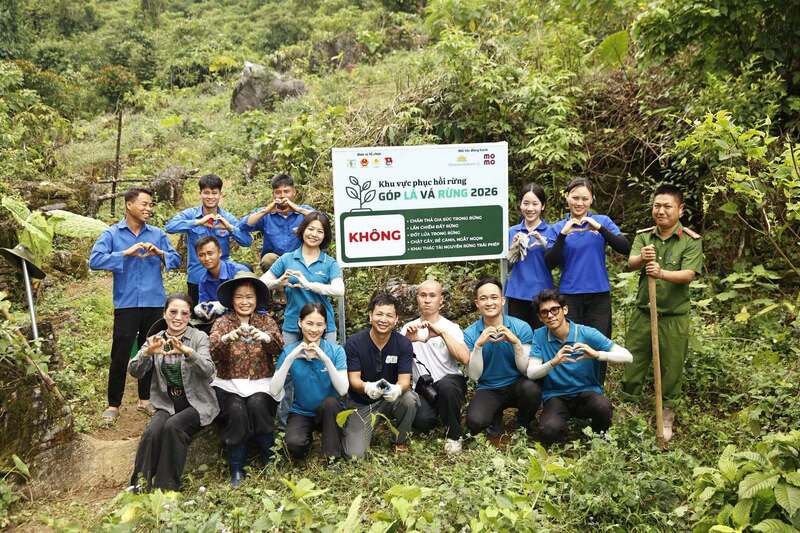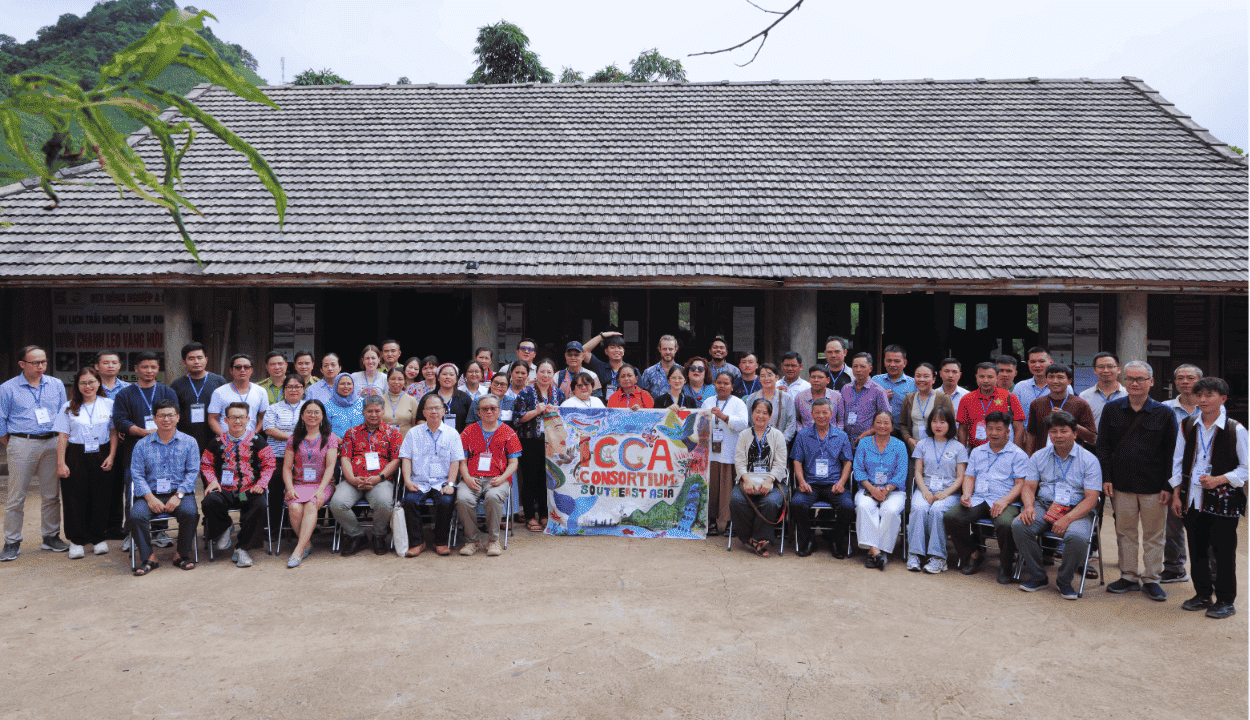
During August and September 2026, PanNature worked with local authorities,…
Exploring Opportunities in Sustainable Agricultural Value Chain in Gia Lai
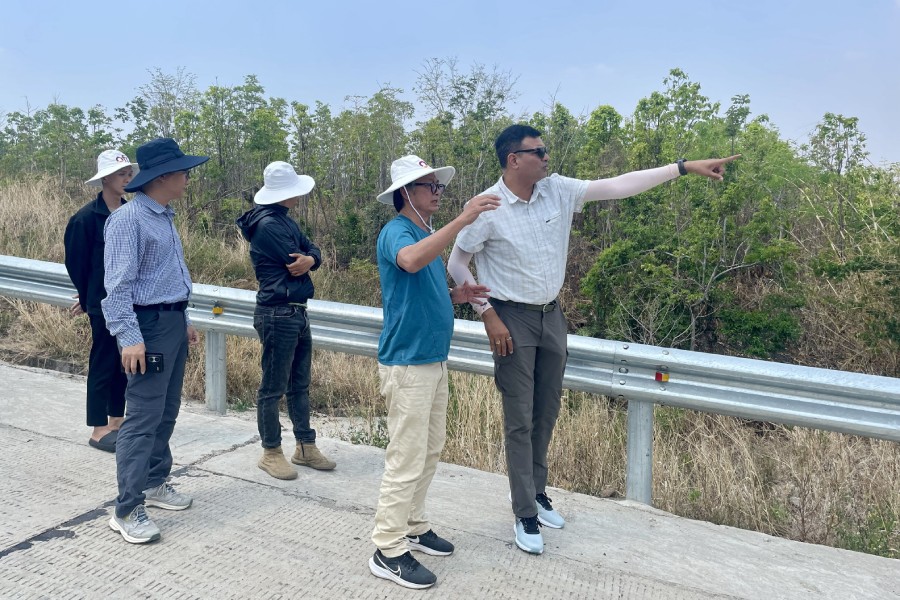
From March 31 to April 10, 2026, within the framework of the Gia Lai Agroforestry Development Project (GLAD), PanNature conducted a series of working and engagement sessions with businesses participating in the Rainforest Alliance (RA) certification in Gia Lai Province. The aim was to explore collaboration opportunities and integrate tree planting activities into raw material zones.
During the meetings, project representatives introduced the project’s objectives and approaches, and discussed the current implementation of sustainability standards, technical requirements, and challenges in working with farmers. Based on these exchanges, the parties explored the potential for developing agroforestry models to increase tree canopy and improve local livelihoods.
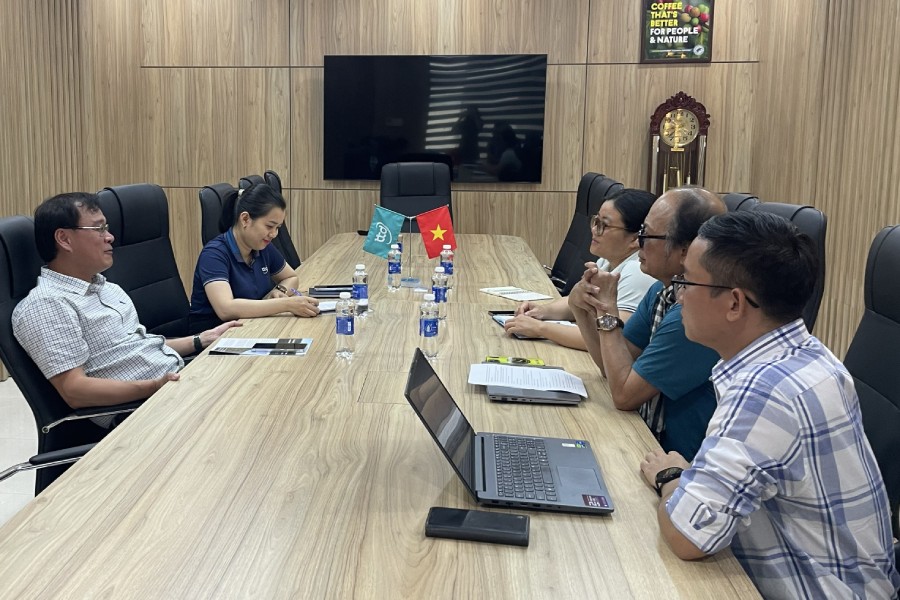
All participating businesses expressed strong interest in collaborating on distributed tree planting activities, particularly in coffee and pepper farms. Some companies already have well-structured farmer management systems, databases, and field technical teams, providing a strong foundation for large-scale implementation. At the same time, barriers related to finance, long-term commitment, and farmers’ economic incentives were identified in order to adjust approaches accordingly.
Business engagement is an important initial step in promoting cooperation between the project and the private sector, aiming to develop sustainable production models that are climate-resilient and reduce emissions within agricultural value chains. Strengthening multi-stakeholder linkages not only helps expand tree planting efforts but also lays the groundwork for long-term solutions in ecosystem restoration and sustainable livelihood development in the region.
The GLAD Project is funded by Greenchoice through Face the Future, and is managed and implemented by PanNature in collaboration with the Gia Lai Department of Agriculture and Environment and local partners. The project promotes scattered tree planting, agroforestry, and ecosystem restoration in ways that are ecologically appropriate and aligned with local livelihoods in Gia Lai.
Related Posts