Skip to content

Environmental protection an urgent issue in Vietnam

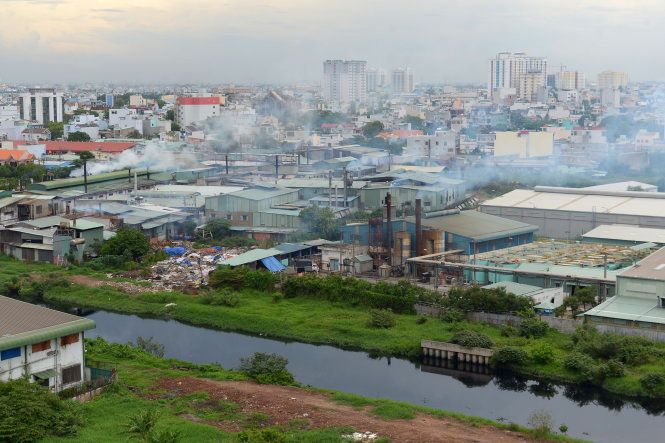
Trinh Le Nguyen, director of PanNature, a non-profit organization dedicated to protecting natural diversity and improving human well-being, said significant shortcomings remain prevalent in the evaluation of the environmental impact of business operations in Vietnam. Several steps in the assessment process were conducted with subpar methods while opinions from local residents were ignored, Nguyen continued. He noted that the two mandatory phases in evaluating a facility’s impact on the environment include a general and a more detailed assessment.

Saving the Highlands from drought

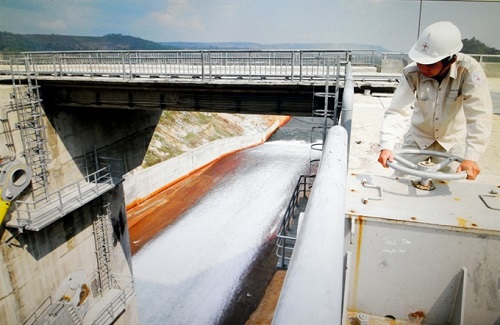
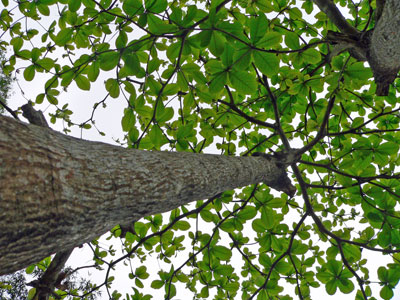
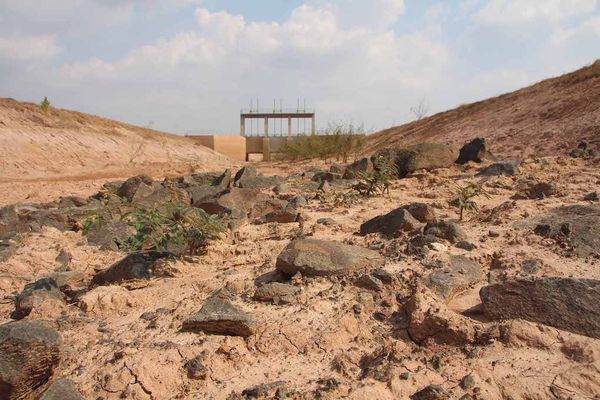
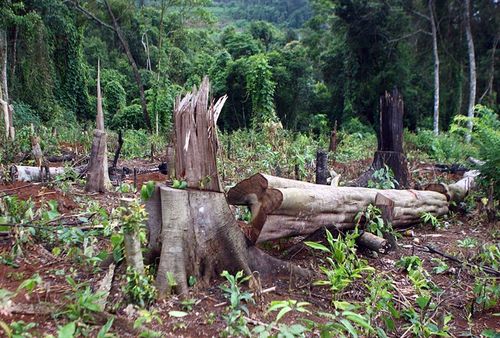
Intensifying the protection of forests in the Central Highlands from encroachment by hydro power plants, illegal deforestation and unplanned agricultural development would be the key to preserving water in this drought hit region, experts have said.

PanNature Discusses Public Participation and Environmental Impact Assessments with U.S. Environmental Protection Agency Officials

During the morning of Friday, June 10, PanNature staff met with three government officials from the U.S. Environmental Protection Agency (EPA), including U.S. EPA General Counsel, Avi Garbow; Senior Attorney in the Office of General Counsel, Steve Wolfson; as well as Director of the Office of Regional and Bilateral Affairs, Mark Kasman. The U.S. EPA is the lead government agency in protecting public health and the environment in the United States. The meeting was an opportunity for the U.S. EPA officials to gain the perspectives and insights of a local environmental non-governmental organization in Vietnam. Trinh Le Nguyen, Executive Director of PanNature, provided information about PanNature, its various projects around the country, its funding, as well as relationships with PanNature’s partners, including the Ministry of Natural Resources and Environment.

The water conflict on the Mekong

Located at the end of the Mekong River basin, the Mekong Delta in Vietnam is currently experiencing the most severe drought and salinity intrusion in 100 years. According to experts, the principal reason is development activities in Greater Mekong Subregion (GMS) countries related to the use of the Mekong River’s water resources, including the operation and construction of mega-dams along the river as well as water diversion for agricultural purposes. Thus far, after months of struggling in a record-breaking drought, millions of farmers in the Mekong Delta have succumbed to exhaustion, due to significant losses of crops, fruits and aquaculture. Part Two of the series examines the impacts of dam construction and other projects on the Mekong Delta.

A Thirsty Mekong Delta

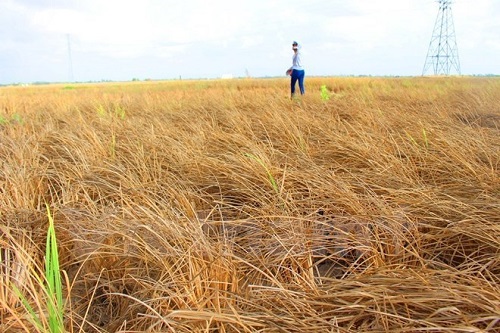
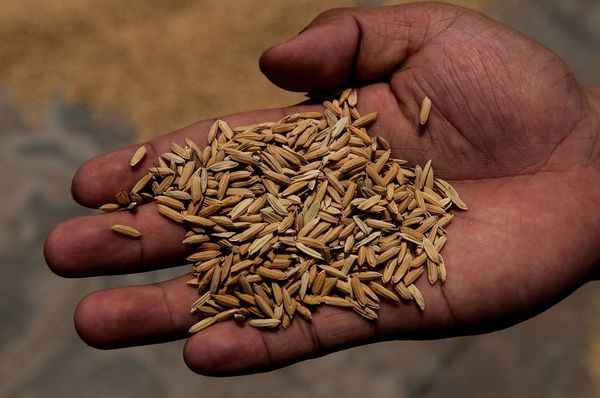
Located at the end of the Mekong River basin, the Mekong Delta in Vietnam is currently experiencing the most severe drought and salinity intrusion in 100 years. According to experts, the principal reason is development activities in Greater Mekong Subregion (GMS) countries related to the use of the Mekong River’s water resources, including the operation and construction of mega-dams along the river as well as water diversion for agricultural purposes. Thus far, after months of struggling in a record-breaking drought, millions of farmers in the Mekong Delta have succumbed to exhaustion, due to significant losses of crops, fruits and aquaculture.

Policy Seminar “Free trade agreements: Investment flows and environmental issues in Vietnam”

2016 marks 30 years since Doi Moi, the government policy that opened up Vietnam to the international community and spurred Vietnam’s integration into the global economy. As Vietnam continues to integrate economically, Vietnam is currently embarking on a new wave of integration through robust and comprehensive free trade agreements (FTAs). Vietnam has signed 14 FTAs, including the Trans-Pacific Partnership (TPP), the largest regional trade agreement in over 20 years, and the European Union-Vietnam FTA.

Viet Nam urged to tighten resource consumption tax

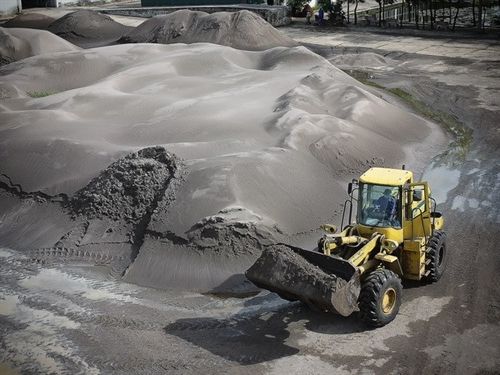
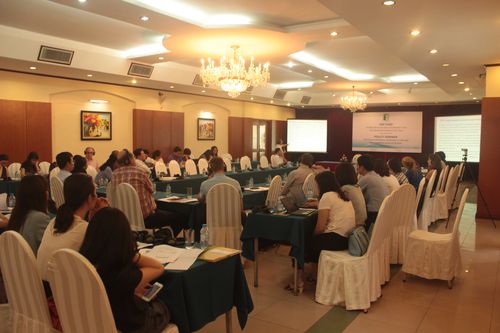
At a conference held by PanNature at the end of last month, experts said that budget collections from mineral mining activities were not proportional to the exploitation scales. Statistics of the Ministry of Finance revealed that natural resources exploitation (excluding oil) contributed merely between 0.9 per cent and 1.1 per cent to the State budget from 2011 to 2015.

Mining-sourced tax collection needs improvements

Tax collected from the mining of natural resources, excluding crude oil, accounted for between 0.9 – 1.1 percent of the total state tax collections in the 2011-2013, according to the Ministry of Finance. The amount is a far cry from the scale of exploitation activities, said delegates to a workshop held by People and Nature Reconciliation (PanNature) on May 13.

Back To Top