Dak Lak Yew forest revives
More than 10 years ago, scientists warned about the endangered yew (Glyptostrobus pensilis) forests in the central province of Dak Lak. Since then, activities have helped to preserve the species.
On 7 January 2016, PanNature was delighted to be one among nearly 100 members of the Indigenous Peoples’ and Community Conserved Areas and Territories (ICCA) Consortium.
According to the agreed upon plan, PanNature and other organizations will cooperate on numerous activities to assist VNFOREST in implementing evidence-based research for the proposed Forest Law, which will replace the Law on Forest Protection and Development of 2004. PanNature will also support VNFOREST in establishing the Vietnam's Forest Owners Association.
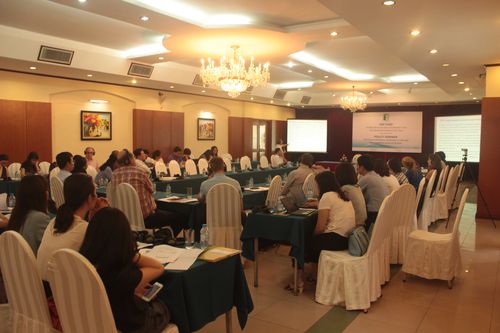
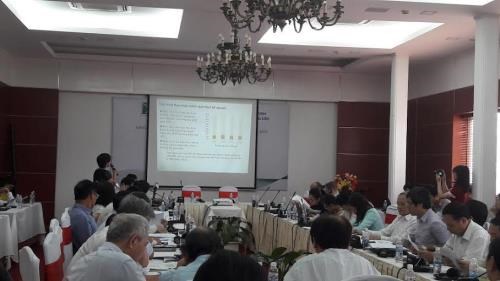
On November 10, BRIDGE financed a training workshop entitled Reporting on Mekong Dams – Science, Policies and Voices from the Ground in An Giang Province in the Mekong Delta. It was organized by Pan Nature, a Vietnamese NGO, to brief journalists on the concerns and perspectives of local stakeholders on planned dams on the Mekong River. Thirty journalists from national and provincial newspapers and radio and television agencies in the delta attended, as will as representatives from academia and NGOs from Vietnam and other Mekong countries.
ecently, the International Union for Conservation of Nature organised the second Leadership Committee meeting of the Ha Long – Cat Ba Alliance (HLCBA) in Hai Phong City to discuss improved environment management in Vietnam’s leading tourism attraction. Among the participants were leaders from Quang Ninh and Hai Phong People’s Committees, representatives from the Ministry of Culture, Sports and Tourism, the US Embassy, represented by US Deputy Chief of Mission Susan Sutton, US Agency for International Development (USAID), and Agence Francaise de Development (AFD).
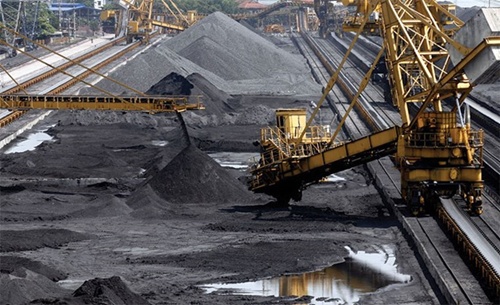
A recent report presented at a workshop held by the People and Nature Centre (PanNature) and the Viet Nam Mining Coalition showed that mining activities is a direct cause of hunger and poverty in localities.
Large hydropower projects are often propagated as a “clean and green” source of electricity by international financial institutions, national governments and other actors. They greatly benefit from instruments meant to address climate change, including carbon credits under the Clean Development Mechanism (CDM), credits from the World Bank’s Climate Investment Funds, and special financial terms from export credit agencies and green bonds. The dam industry advocates for large hydropower projects to be funded by the Green Climate Fund, and many governments boost dams as a response to climate change through national initiatives. For example, at least twelve governments with major hydropower sectors have included an expansion of hydropower generation in their reports on Intended Nationally Determined Contributions (INDCs).
Vietnam needs to raise awareness of mineral resources and take measures to boost intensive processing in order to reduce losses and protect the environment, suggested experts at a seminar in Hanoi on December 3.
The Save the Mekong Coalition urges Mekong governments to take immediate action to cancel the Don Sahong Dam before construction begins at the end of November.
Many people in Viet Nam, Thailand and Cambodia are demanding a stop to the construction of hydropower dams in the Mekong River basin, which they claim have destroyed their livelihoods.