Video: What our villagers love most!
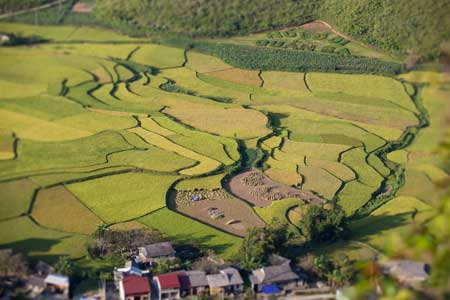
The short film which was produced by PanNature, talked about system of rice intensification (SRI) model in Pu Tuu Commune, Dien Bien District, Dien Bien Province.
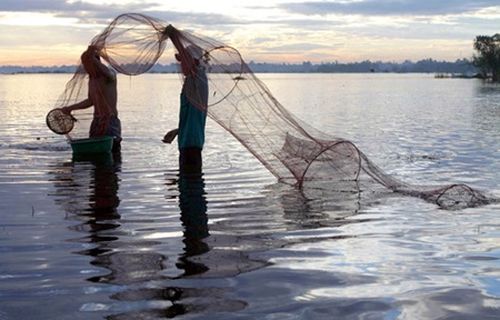
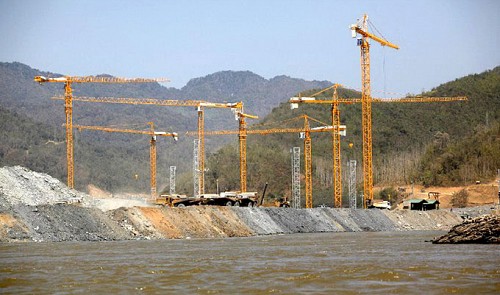
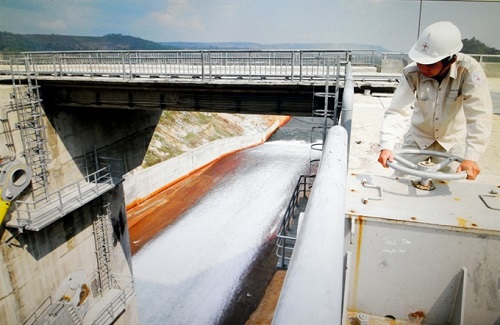
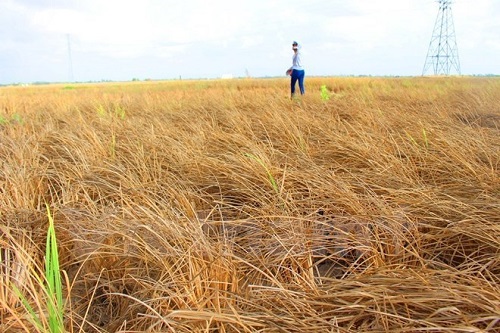
Located at the end of the Mekong River basin, the Mekong Delta in Vietnam is currently experiencing the most severe drought and salinity intrusion in 100 years. According to experts, the principal reason is development activities in Greater Mekong Subregion (GMS) countries related to the use of the Mekong River’s water resources, including the operation and construction of mega-dams along the river as well as water diversion for agricultural purposes. Thus far, after months of struggling in a record-breaking drought, millions of farmers in the Mekong Delta have succumbed to exhaustion, due to significant losses of crops, fruits and aquaculture.
2016 marks 30 years since Doi Moi, the government policy that opened up Vietnam to the international community and spurred Vietnam’s integration into the global economy. As Vietnam continues to integrate economically, Vietnam is currently embarking on a new wave of integration through robust and comprehensive free trade agreements (FTAs). Vietnam has signed 14 FTAs, including the Trans-Pacific Partnership (TPP), the largest regional trade agreement in over 20 years, and the European Union-Vietnam FTA.
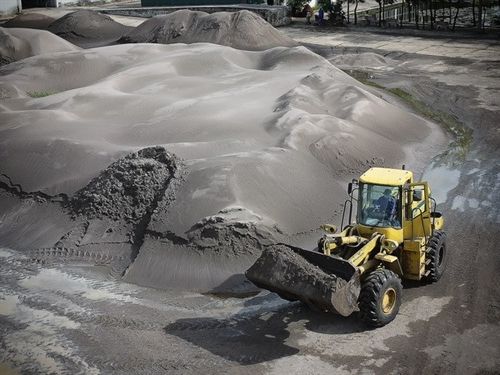
At a conference held by PanNature at the end of last month, experts said that budget collections from mineral mining activities were not proportional to the exploitation scales. Statistics of the Ministry of Finance revealed that natural resources exploitation (excluding oil) contributed merely between 0.9 per cent and 1.1 per cent to the State budget from 2011 to 2015.
Tax collected from the mining of natural resources, excluding crude oil, accounted for between 0.9 – 1.1 percent of the total state tax collections in the 2011-2013, according to the Ministry of Finance. The amount is a far cry from the scale of exploitation activities, said delegates to a workshop held by People and Nature Reconciliation (PanNature) on May 13.
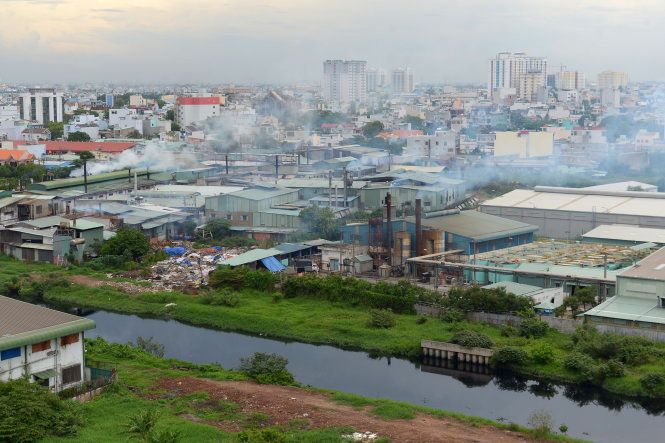
Foreign direct investment (FDI) attraction has marked a new phase in Vietnam and it is time for the country to reconsider all environmental regulations. Economic benefits should not be bartered at all costs, said experts at a seminar on industrial discharge in Hanoi yesterday by PanNature.
Addressing the Industrial Waste: Weaknesses in Management and Policy Recommendations workshop organised by PanNature, former Deputy Minister of Natural Resources and Environment, Prof. ??ng Hùng Võ, cited the case related to the Formosa Hà T?nh Steel Corporation (FHS) in the V?ng Áng Economic Zone in the central Hà T?nh Provinc
Policy is central to successful forest management, and many of our projects are using GFW to inform policymakers and other stakeholders. In Ecuador, Regional Water Fund FORAGUA will improve the local management, monitoring, and enforcement of 11 municipal watershed reserves by providing training on the Global Forest Watch platform to environmental technicians, high school science teachers, and journalists. Asociación Ambiente y Sociedad (Colombia) is developing an online tool to inform local communities of infrastructure mega-projects and their potential impact on priority conservation areas, to enhance decision making and contribute to resolving conflicts. In Vietnam, People and Nature Reconciliation (PanNature), will use GFW data to monitor and evaluate established payment for environmental services programs within three provinces, and make recommendations to policy makers on how to improve their efficacy. Pronatura will use GFW in order to inform Mexican decision makers on meeting their commitments to global initiatives such as REDD+ and the Bonn Challenge.
Road building projects that would pass through natural reserves have been proposed, while many resorts have been built in national parks.
MPE had a chance to interview the RTWG members on their opinions about Public Participation in EIA, national experiences and their visions towards the work of the RTWG on EIA.