Video: What our villagers love most!
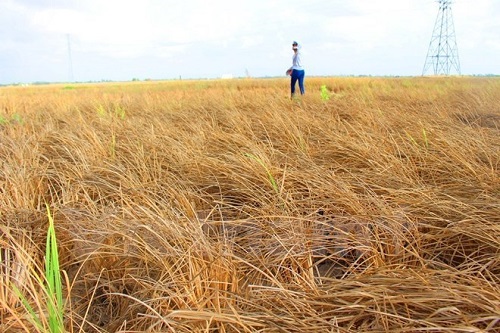
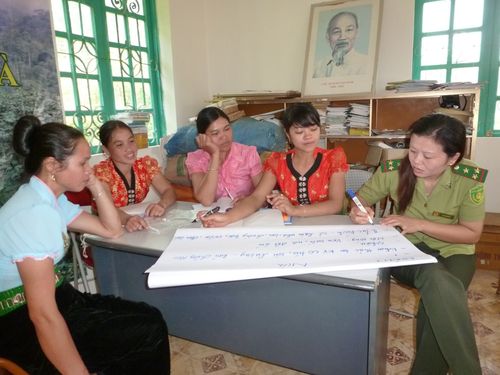
The short film which was produced by PanNature, talked about system of rice intensification (SRI) model in Pu Tuu Commune, Dien Bien District, Dien Bien Province.
2016 marks 30 years since Doi Moi, the government policy that opened up Vietnam to the international community and spurred Vietnam’s integration into the global economy. As Vietnam continues to integrate economically, Vietnam is currently embarking on a new wave of integration through robust and comprehensive free trade agreements (FTAs). Vietnam has signed 14 FTAs, including the Trans-Pacific Partnership (TPP), the largest regional trade agreement in over 20 years, and the European Union-Vietnam FTA.
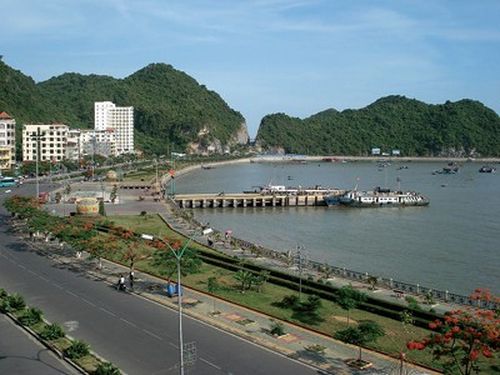
The first leaders’ meeting of the Ha Long - Cat Ba Alliance was recently held in Ha Long City, Quang Ninh Province, attended by leaders of Quang Ninh Province and Haiphong City, US Ambassador to Vietnam Ted Osius, and senior officials from the International Union for Conservation of Nature and Natural Resources (IUCN).
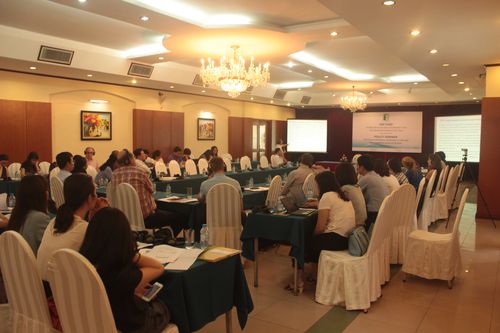
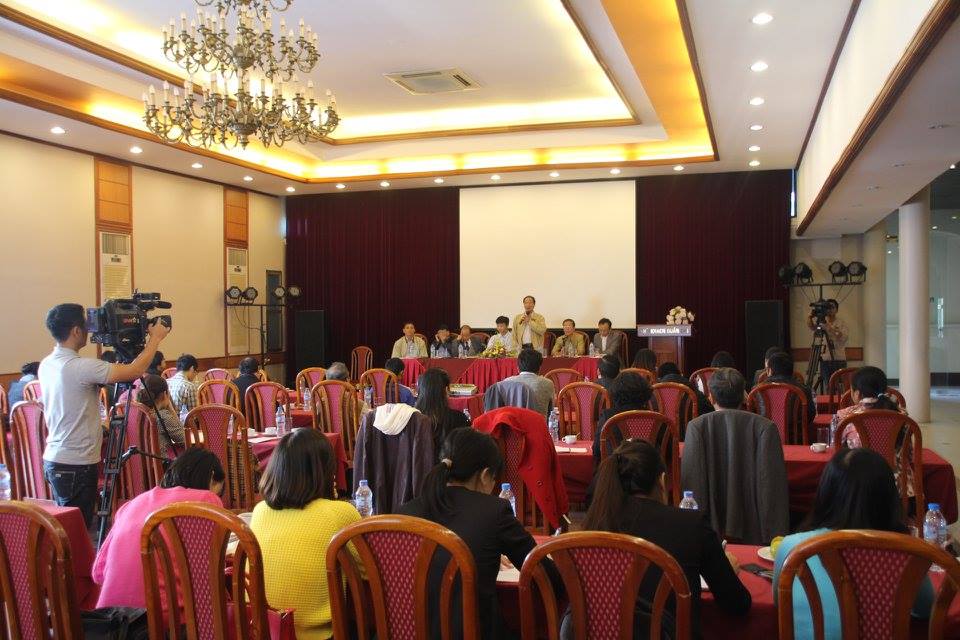
A workshop by the People and Nature Reconciliation (PanNature) in Hanoi on March 24 attracted nearly 60 representatives from the Vietnam Environment Administration, Vietnam Administration of Forestry and several national parks and non-governmental organizations. The theme of the meeting was mainstreaming biodiversity criteria in environmental impact assessments in Vietnam.
Environmental non-government organizations (ENGOs) and national governments are key players in the political sphere surrounding issues of climate change and sustainable development. The relationships between the discourse on "climate change" and "sustainable development" and ENGOs and the state in both Vietnam and Bolivia provides a critical look into the ways in which these issues are approached in two highly-vulnerable countries with different political regimes
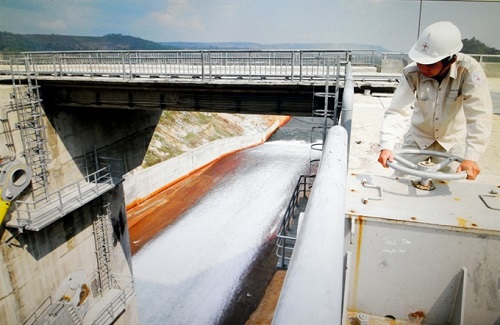
Minimising the adverse impacts of development projects on the environment and natural resources is a pressing issue that needs to be addressed urgently, experts said at a workshop in Hanoi on November 14. Prioritising development projects, especially the construction of industrial parks and hydropower plants, without paying attention to biodiversity conservation and environmental protection has negative consequences for the environment and society.
Minimising the adverse impacts of development projects on the environment and natural resources is a pressing issue that needs to be addressed urgently, experts said at a workshop in Hanoi on November 14.
Vietnamese environmentalists say the hydropower race unfolding on the lower Mekong River will destroy the delta's downstream economy. Experts at a Tuesday conference in the Mekong Delta province of An Giang called the dams "bombs" looming over millions of people, Tuoi Tre (Youth) newspaper reported.
In August 2014, a 5.5 MW hydropower dam broke for the second time in Gia Lai Province. Luckily no one was killed. This isn’t the first time that dams have leaked or broken in Vietnam but what was striking was the fact that according to the article the construction company ignored basic safety consideration by building the dam in the wet season. As a result, the cement didn’t dry properly and couldn’t withstand the water pressure. After the dam failed for the first time in June 2013, the provincial government ordered the company to suspend construction. The company refused.
A lack of transparency in exploiting natural resources has resulted in large amounts of revenues from mineral exploitation flowing into the pockets of individuals instead of State coffers.