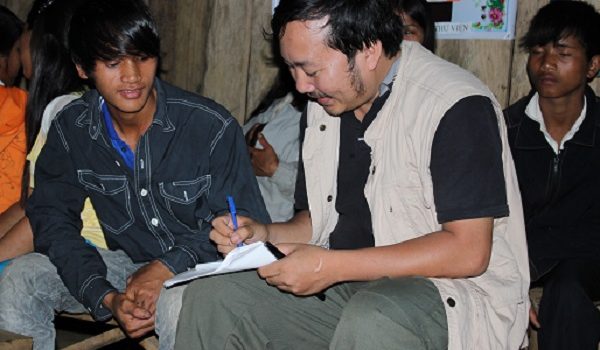
PanNature, GreenID: Environmental Heroes
PanNature believes that in order to protect forests and biodiversity, people, community and social organizations need to have the right to join forest management activities.

PanNature believes that in order to protect forests and biodiversity, people, community and social organizations need to have the right to join forest management activities.
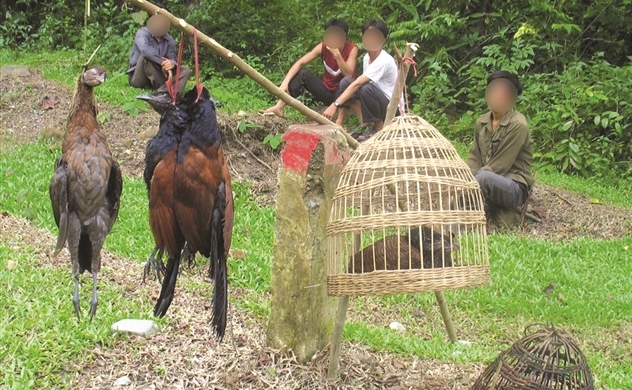
As a hotspot for wildlife trafficking and consumption since the late 80s, Vietnam is facing a risk of depletion of biodiversity.
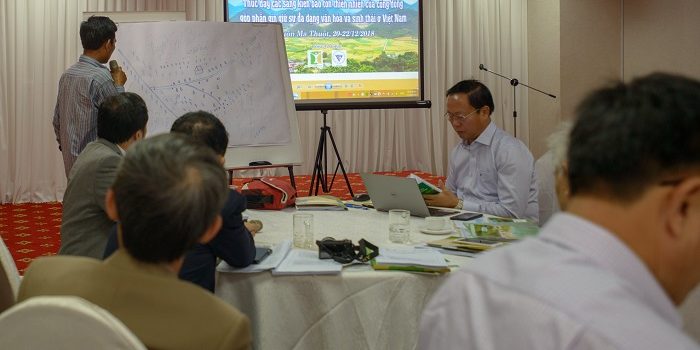
Along with the population growth and pressure from the human needs, natural ecological areas in Vietnam such as forests, wetlands, coastal mangrove forests ... have been rapidly narrowed, fragmented and degraded. Accordingly, not only biodiversity and ecological values have been lost, but many traditional cultural values of the community associated with nature have also been eroded. On December 20-21, 2018, in Dak Lak, People and Nature Reconciliation (PanNature) in collaboration with Dak Lak Union of Science & Technology Associations organized the workshop: “Promoting community-based conservation initiatives that contribute to preserving cultural and ecological diversity in Vietnam” in order to create opportunities for communities’ representatives and related organizations to share and discuss this topic.
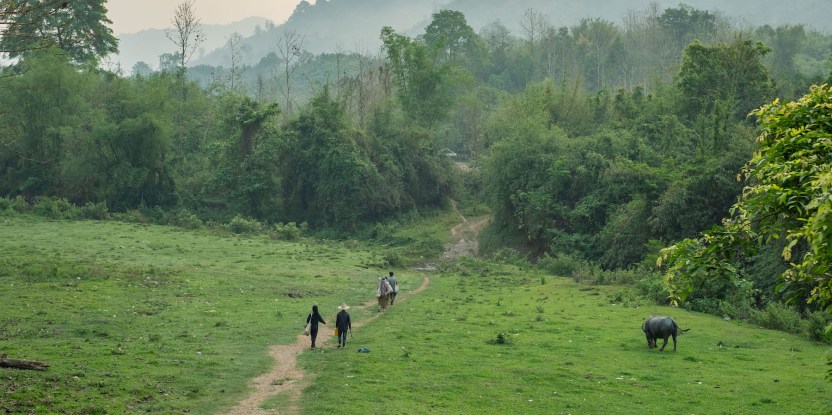
Voices for Mekong Forests (V4MF), a regional project led by RECOFTC, began in 2017 to address this problem by doing just that. “Governance nowadays involves multiple processes that often require and can benefit from the active and positive contribution of civil society,” said Etienne Delattre, project coordinator for V4MF, in an interview. “[CSOs] bring the voices and convey the messages [of] local people and grassroots.”
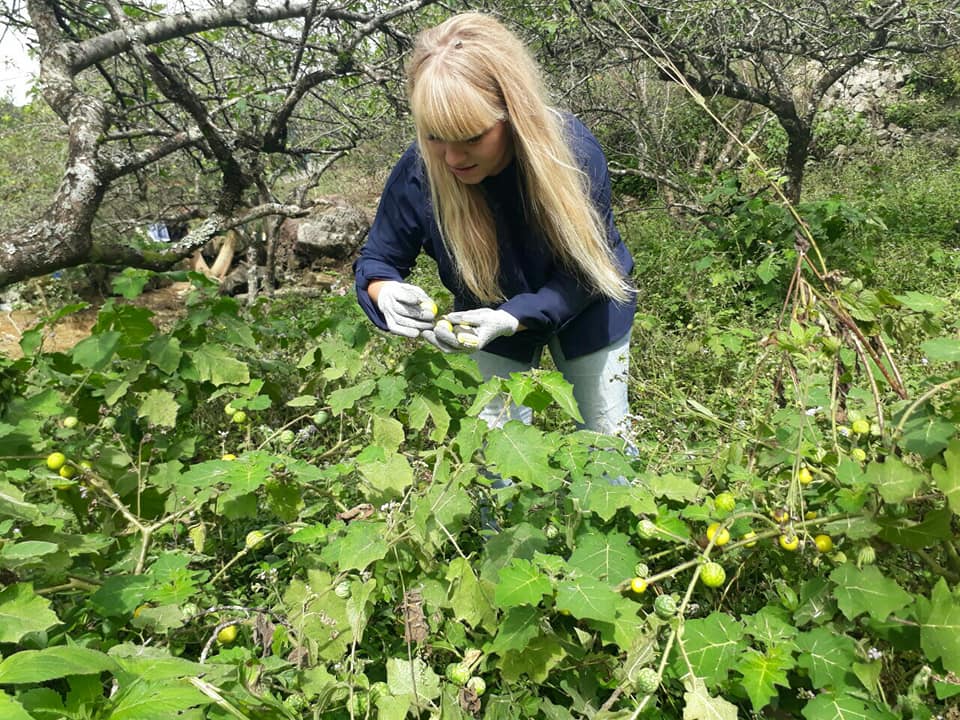
When I was 23-26, I lived as an expat in Ho Chi Minh City. During that time, Vietnam became very dear to me. After moving back to my home country Denmark for two and a half years, I decided to come back to write my Msc thesis. As much as I thought I “knew” Vietnam, I was fully aware that there is so much more to this country than what the lively streets of Saigon have to offer. And as much is I enjoy everything Vietnam has given me, I wanted to give something back to the country that had taught me so much. When PanNature offered to host me in Vân H? in S?n La Province during my stay, I knew that this would be nothing like my former experiences.
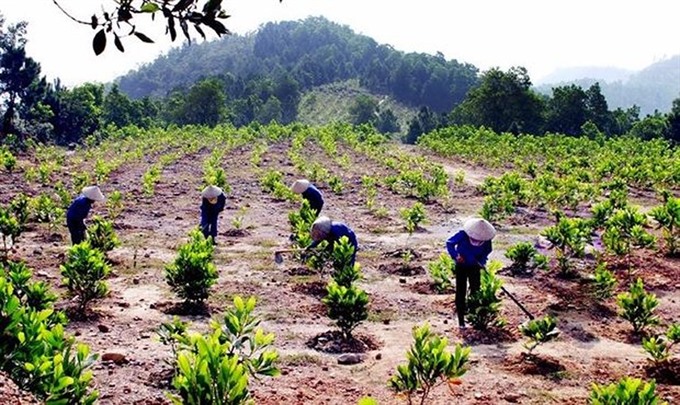
Experts discussed issues related to conditions and factors to promote natural forest restoration in localities and contribute to ensuring ecological security and minimising damage caused by natural disasters and floods during a conference held yesterday in Hà N?i. The conference was held by the Centre for People and Nature (PanNature).
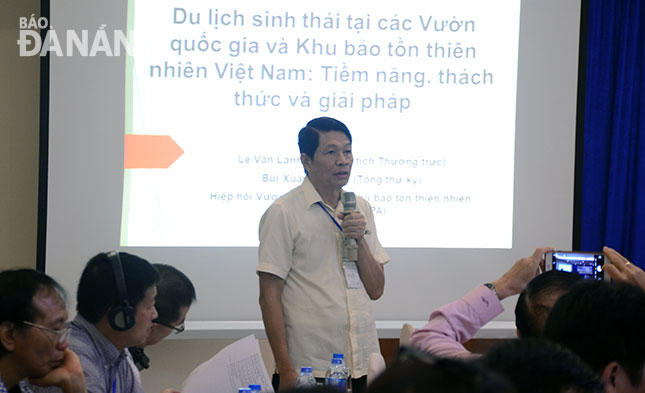
Last Saturday, the 1st international workshop on biodiversity conservation and sustainable tourism development in the central region and highlands took place in Da Nang.. It was jointly organised by the municipal Union of Science and Technology Associations, the Nuoc Viet Xanh (GreenViet) Biodiversity Conservation Centre, the Centre for Humans and Nature (PanNature), and the Environment and Biological Resource Teaching Research Team of the Da Nang University (DN-EBR).
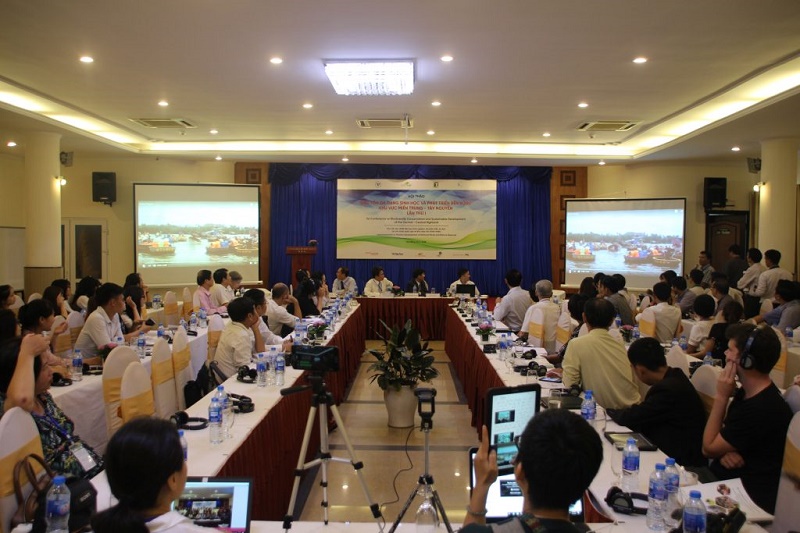
On July 21th, 2018, in Danang, People and Nature Reconciliation (PanNature) in collaboration with Da Nang Union of Science & Technology Associations, GreenViet Biodiversity Conservation Centre (GreenViet) and Environment & Biological Resource Teaching Research Team (DN-EBR) organized the first international workshop on "Biodiversity conservation and sustainable development in the Central and Highlands", with the 2018 topic is “Lesson learnt on tourism development in National Parks and Nature Reserves”.
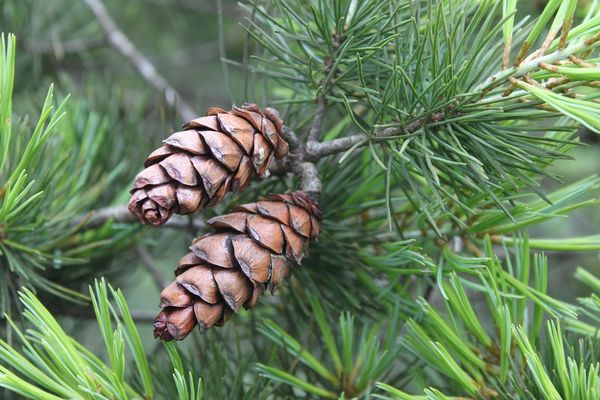
The review recorded Pinus armandii subsp.xuanhaensis as a new conifer observed in Vietnam. Pinus armandii subsp.xuanhaensis was discovered and collected samples in Xuan Nha Nature Reserve (Son La province) by the research team of People and Nature Reconciliation (PanNature) in the implementation of the project: "Conservation and development conifer tree species in Xuan Nha Nature Reserve" supported by the Rufford Small Grants. According to field survey results of PanNature’s team, this species currently has a population of about 200 trees, distributes in/covers an area of about 80 km2. Together with Prof. Phan Ke Loc, PanNature’s research team has collected, described, classified and announced this unique new conifer of Vietnam.
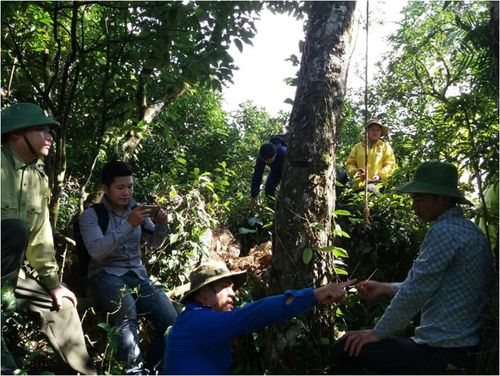
Since June 2017, for the purpose of promoting scientific research activities in Hang Kia - Pa Co and Xuan Nha Natural Reserves in order to create a database for conservation interventions, People and Nature Reconciliation (PanNature) has started a Field Research Fellowship Program for senior students, graduate students and fellows.