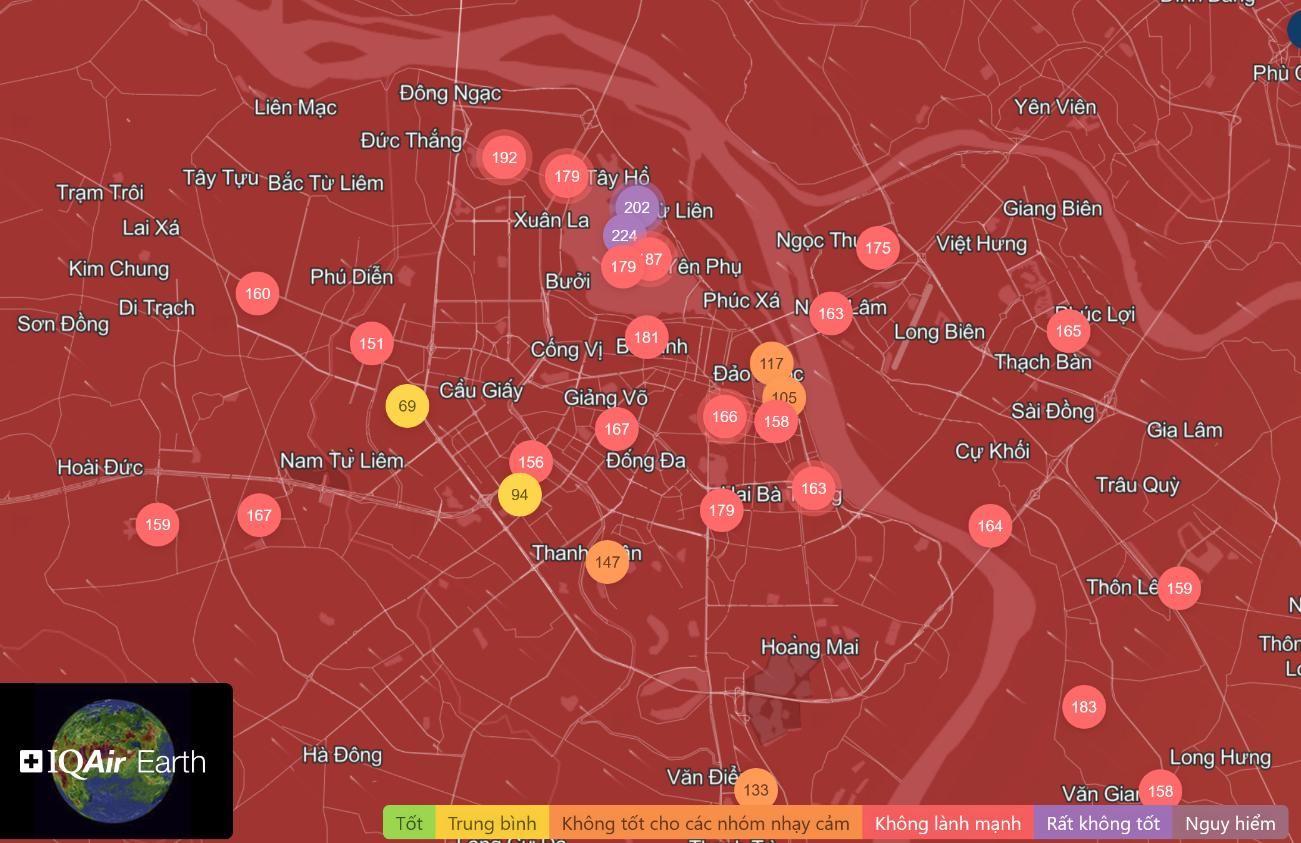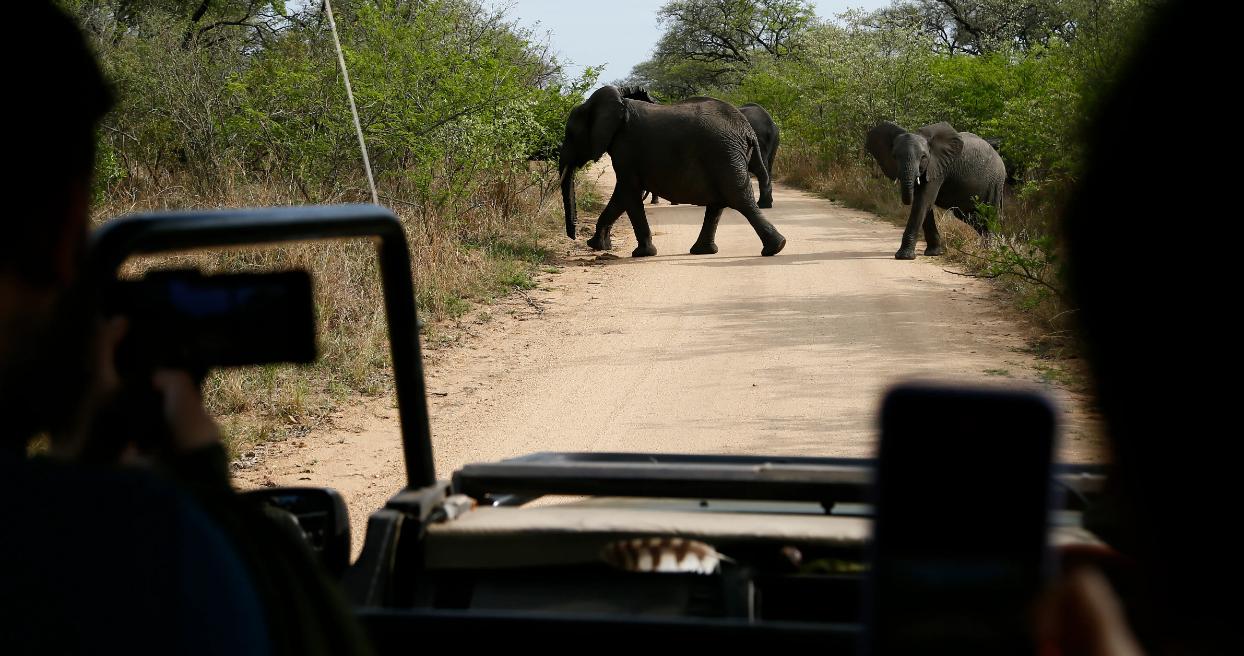
Beijing, once among the most polluted cities globally, has significantly improved its air quality over the past two decades, with its experience possibly providing Hanoi with valuable insights into the severe air pollution that the Vietnamese capital is enduring.
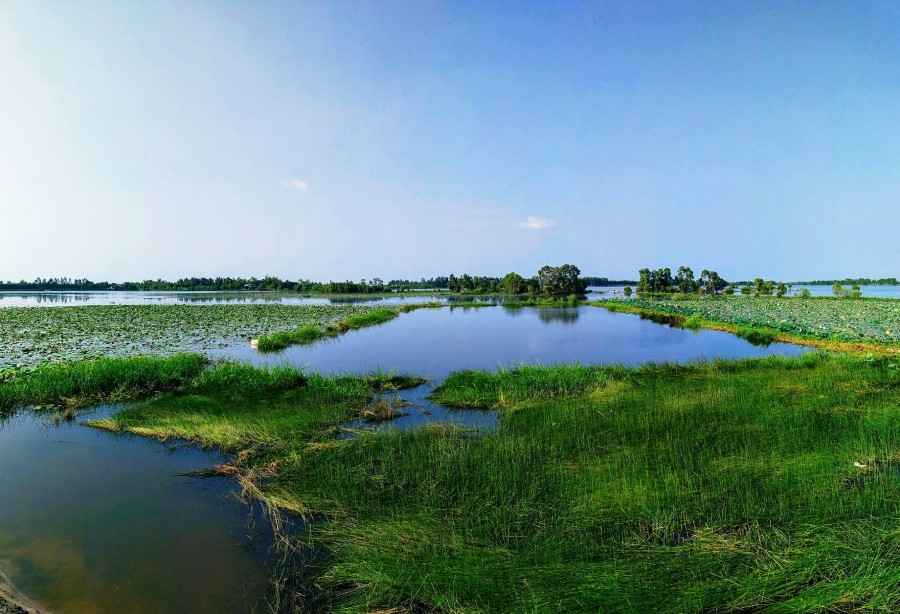
Six Issues That Need to Be Reconsidered in Nature Conservation
Abstract
In recent years, nature conservation has become increasingly prominent in discussions on sustainable development, climate change, and the green transition. However, in both public communication and many policy agendas, attention still tends to focus on a familiar set of issues such as deforestation, wildlife poaching, plastic waste, or carbon emissions. Meanwhile, many other pressures are becoming serious threats to biodiversity and ecosystem functioning but continue to receive far less attention than they deserve. This article synthesizes six emerging and under-recognized issues: (1) the freshwater biodiversity crisis; (2) sensory pollution from artificial light and anthropogenic noise; (3) the cumulative and synergistic effects of multiple environmental stressors; (4) bias in conservation priorities across taxonomic groups; (5) the increasingly decisive role of climate extremes; and (6) the risks posed by “green” solutions that lack ecological integrity. Based on these issues, the article argues that conservation in the coming decade needs to move beyond sectoral thinking, charismatic-species bias, and superficial performance indicators toward more integrated approaches grounded in ecosystem functioning, ecological integrity, and the long-term resilience of natural landscapes.
Introduction
Over the past several decades, nature conservation has achieved important progress: protected area networks have expanded, knowledge of many threatened species has improved, forest restoration has gained momentum, climate change has moved closer to the center of environmental debates, and more resources have been mobilized from public institutions, the private sector, and civil society. Yet alongside these gains, conservation thinking has also developed several important blind spots. Many programs still tend to prioritize issues that are visible, easy to communicate, and easy to quantify, while pressures that are less obvious, more complex, or harder to translate into simple indicators are often underestimated.
At the scientific level, this is reflected in the way research, monitoring systems, and conservation investments remain heavily concentrated on certain taxonomic groups or certain ecosystem types. At the policy level, it is reflected in the continued separation of issues into administrative sectors such as forests, water, agriculture, climate, or energy, even though these systems are deeply interconnected in practice. At the communication level, it can be seen in the tendency to equate “conservation” with a limited set of familiar images—old-growth forests, large mammals, tree planting campaigns, or highly shareable “green” slogans.
In this context, identifying under-recognized conservation issues is not merely an academic exercise. It is a practical requirement for better policy design, project planning, resource allocation, and public communication in the years ahead.
This article highlights six important but insufficiently recognized issues in contemporary nature conservation.
- The Freshwater Biodiversity Crisis
In conservation discussions, freshwater ecosystems often remain less visible than forests or oceans. Yet they represent one of the most severe fronts of biodiversity loss today. A global study published in Nature found that around 24% of assessed freshwater animal species are currently threatened with extinction (Sayer et al., 2025). This figure is particularly significant given that freshwater ecosystems occupy only a very small proportion of the Earth’s surface, yet support disproportionately high levels of biodiversity and provide critical ecosystem services such as water regulation, water purification, inland fisheries, flood buffering, and livelihood support.
Major scientific reviews have consistently emphasized that the freshwater biodiversity crisis remains underappreciated relative to its actual severity. Albert et al. (2021) warned that freshwater ecosystems are among the most heavily pressured ecosystems globally, facing combined impacts from pollution, dams and water infrastructure, water abstraction, intensive agriculture, invasive species, and overexploitation. The problem is not only species loss, but also the degradation of ecological functions linked to flow regimes, sediment transport, hydrological connectivity, and habitat structure.
In Vietnam, this is especially evident in the Mekong Delta. In addition to pressures from climate change and upstream hydropower development, recent research on sediment and sand dynamics shows that the volume of natural sand reaching the Delta has declined to only around 2–4 million m³ per year, while sand extraction within the Delta may reach 35–55 million m³ per year (WWF, 2023). This imbalance contributes to riverbank erosion, channel instability, and the weakening of the physical foundation of the delta ecosystem. At the same time, a review of 200 years of wetland degradation in the Mekong Delta suggests that this decline is the cumulative result of multiple layers of human intervention, including land-use change, hydraulic engineering, and infrastructure expansion (Nguyen et al., 2016).
One reason this crisis remains overlooked is that freshwater degradation often unfolds more quietly than deforestation. A forest being cleared is immediately visible; a river gradually losing ecological function is often only noticed through delayed symptoms: declining fish populations, altered seasonal flows, more frequent bank erosion, or the disappearance of aquatic species that are poorly monitored or rarely documented. For this reason, conservation in the coming decade cannot continue to treat rivers, streams, lakes, swamps, and wetlands as secondary concerns within broader biodiversity agendas.
- Sensory Pollution from Artificial Light and Noise
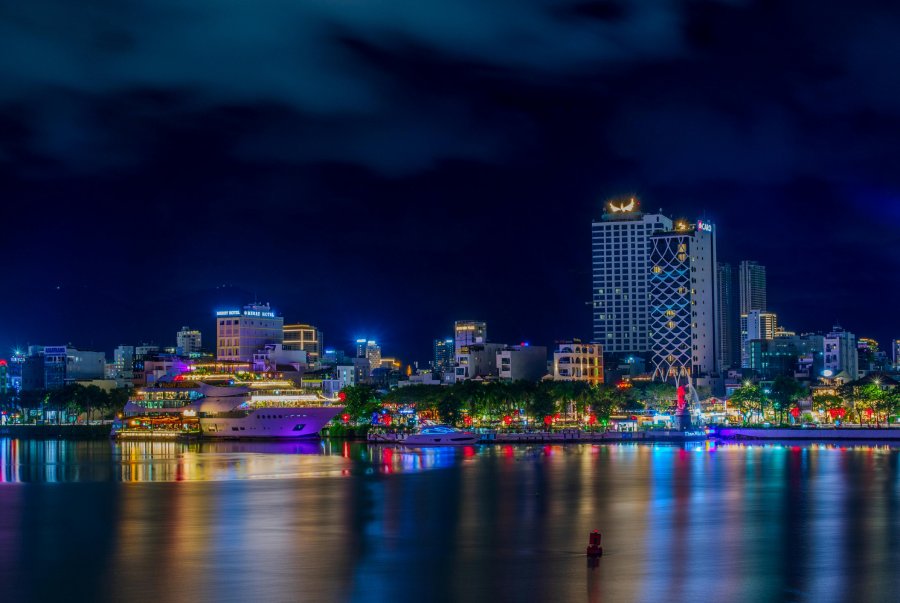
Environmental pollution is often understood mainly in terms of visible material forms such as waste, wastewater, air pollution, or toxic chemicals. However, in contemporary ecology, sensory pollution – especially artificial light at night (ALAN) and anthropogenic noise – is increasingly recognized as an important and growing pressure on biodiversity.
Recent reviews show that artificial light at night can disrupt circadian rhythms and alter feeding, mating, migration, and resting behavior across many taxa, while noise pollution can mask communication signals, alarm calls, and orientation cues that animals rely on for survival. A recent review published in Ibis concluded that evidence of light and noise impacts on birds is now strong enough for these to be treated as serious conservation concerns rather than peripheral issues (Sordello et al., 2025). At a broader scale, Johnston et al. (2025) even suggest that nighttime light pollution can influence ecosystem metabolism and should be incorporated into assessments of carbon–climate feedbacks.
Importantly, sensory pollution does not only affect individual organisms or a few particularly sensitive species. It can alter the rhythms and processes of entire ecosystems, especially nocturnal ecosystems in which darkness and quiet were once foundational environmental conditions. For insects, artificial light can act as an ecological trap, drawing them away from normal behaviors and increasing mortality risk. For bats, strong lighting and transport infrastructure can alter movement corridors or raise collision risks. For birds, noise can affect communication, reproduction, and territorial defense.
In Vietnam, this issue is still rarely discussed in environmental impact assessments, ecotourism planning, or protected area management. Yet urban expansion, roads cutting through forested areas, night tourism, coastal resorts, motorized boat traffic, high-amplitude sound systems, and dense lighting around mangroves, forest edges, or river corridors are increasingly creating ecological spaces that are fundamentally different from natural biological rhythms. This suggests an important shift in conservation thinking: it is not enough to protect habitat area alone; it is also necessary to protect natural darkness and natural soundscapes as essential components of ecological integrity.
- The Synergistic Effects of Multiple Environmental Stressors
One major limitation of current environmental governance is the tendency to separate environmental problems into distinct sectors: deforestation is treated as a forestry issue, pollution as an environmental issue, flow regulation as a water management issue, and climate as a climate policy issue. In the real world, ecosystems do not function according to this administrative logic. They often decline because of multiple overlapping pressures that interact in additive, antagonistic, or synergistic ways.
Côté, Darling, and Brown (2016) show that interactions among multiple stressors are a central issue in applied ecology and conservation. The combined effects of multiple pressures are not simply the arithmetic sum of each stressor considered separately. In many cases, they produce synergistic outcomes, meaning that real-world impacts are much greater than expected if each factor is assessed independently. More recently, Rillig et al. (2023) found that as the number of environmental stressors increases beyond certain thresholds, both soil biodiversity and ecosystem functioning decline significantly at a global scale.
In Vietnam, this is already a familiar reality across many critical landscapes. A montane forest may simultaneously be affected by road construction, habitat fragmentation, hunting, timber or non-timber extraction, pesticide drift from nearby farms, dry-season water stress, and more frequent extreme rainfall. A river basin may simultaneously face hydropower dams, sand mining, agricultural runoff, land conversion, upstream forest degradation, and climate change. A wetland may be eroded by salinity intrusion, dike construction, intensive aquaculture, reduced sediment supply, and infrastructure development all at once.
The result is that conservation efforts may remain ineffective even when individual actions are technically sound. Planting more trees may not restore a watershed if hydrological connectivity continues to be disrupted. Stronger anti-poaching enforcement may not recover a species population if habitats are fragmented, food resources have declined, and climate extremes are intensifying. Reducing one form of pollution may not be enough if multiple other pressures remain active. Effective conservation in the coming decade therefore requires a decisive shift from single-pressure management toward integrated ecosystem and landscape governance.
- Bias in Conservation Priorities Across Taxonomic Groups
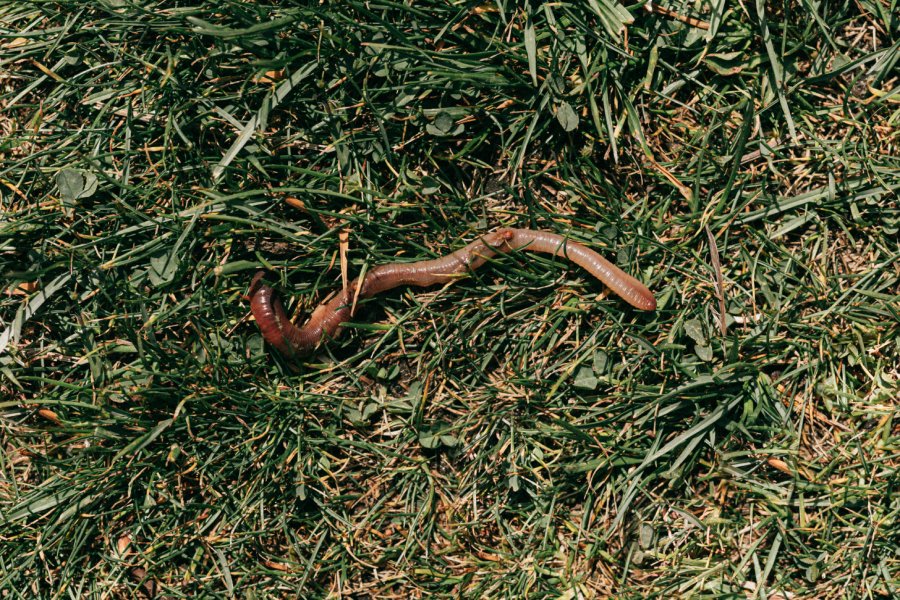
Public communication and many conservation programs have long focused heavily on species that are easy to see, easy to identify, and easy to care about emotionally: tigers, elephants, primates, large birds, or ancient trees. These species have high symbolic value and often play an important role in fundraising and policy advocacy. But if conservation stops there, it risks overlooking a basic ecological reality: most ecosystem functions are not maintained by “flagship species,” but by countless small, poorly known, and under-prioritized organisms.
Insects, invertebrates, fungi, microorganisms, soil biodiversity, small aquatic organisms, and many lesser-known amphibians and reptiles are all fundamental components of food webs, pollination, organic matter decomposition, soil formation, water purification, pest regulation, and energy flow in ecosystems. Yet Cardoso et al. (2011) showed early on that invertebrate conservation faces a set of systemic barriers, including data deficiencies, lack of taxonomic expertise, limited public interest, and low policy priority. These constraints remain highly relevant today.
The global concern over insect declines provides a clear example. Wagner (2020) reviewed a wide range of evidence indicating that insect populations are declining in many parts of the world, with potentially serious consequences for pollination, agricultural productivity, and ecosystem stability. While the scale and rate of decline vary across taxa and regions, the overall pattern is strong enough to justify treating this as a major conservation issue. Current scientific debates do not deny the problem; they mainly focus on avoiding oversimplified “insect apocalypse” narratives that ignore ecological variation and context.
In Vietnam, this gap is even larger. As one of the world’s biodiversity-rich countries, Vietnam continues to record new species and new data across amphibians, reptiles, insects, plants, fungi, and other understudied groups. Yet public awareness, research investment, and conservation communication for these taxa remain limited. If conservation continues to focus mainly on flagship species, many of the foundational components of ecosystem functioning will remain neglected. This is not only a matter of fairness among species; it is fundamentally a question of ecological integrity.
- The Increasingly Decisive Role of Climate Extremes
Climate change is often communicated through the image of rising global average temperatures. This framing is useful for public awareness, but it is not sufficient for biodiversity conservation. In ecological reality, many ecosystems and species populations do not collapse because of gradual warming alone. They often fail because of extreme events: prolonged heatwaves, severe droughts, intense rainfall, flash floods, wildfires, unusual salinity intrusion, or increasingly unpredictable seasonal shifts.
The IPCC report on impacts, adaptation, and vulnerability emphasizes that climate extremes are increasing in many regions and are becoming a major driver of ecosystem degradation and biodiversity risk (IPCC, 2022). At the ecological level, extreme climate events can directly strike biological weak points that many species cannot adapt to quickly enough: seedlings dying in large numbers after prolonged heat, streams drying too early and eliminating amphibian breeding sites, bird reproduction becoming mismatched with food peaks, or forests weakened by drought and becoming more vulnerable to fire and pest outbreaks.
In Vietnam, these are no longer distant projections. Northern and central mountainous regions are increasingly experiencing unusually intense rainfall, flash floods, and landslides. The Central Highlands and many natural or recovering forests are facing longer dry seasons, higher water stress, and greater fire risk. In the Mekong Delta, the challenge is not only long-term sea-level rise, but also saline intrusion, altered flow regimes, and freshwater scarcity occurring in increasingly unpredictable patterns.
An increasingly important concept in modern conservation is climate refugia – areas where local topography, microclimate, humidity, water availability, or habitat structure allow biodiversity to persist more effectively under climate stress (Keppel et al., 2011; Morelli et al., 2020). In the Vietnamese context, intact headwater forests that retain water, moist ravines, undisturbed wetlands, coastal forests that still maintain natural structure, or ecological corridors that facilitate species movement may have far greater strategic value than they are typically given today. This suggests that climate adaptation should not be understood only as adaptation for people; it must also include identifying and protecting refuges for biodiversity.
- The Risks of “Green” Solutions Without Ecological Integrity
One of the newer challenges in conservation is the rapid expansion of programs, projects, and markets labeled as “green”: tree planting, restoration, carbon offsetting, carbon credits, nature-based solutions (NbS), renewable energy, and green finance. These tools can play positive roles when designed well. But if ecological thinking is weak, they can also create new pressures on nature.
Tree planting is perhaps the clearest example. Holl and Brancalion (2020) argue that tree planting is not a simple solution, and if done poorly it may fail to deliver intended benefits – or even cause harm. Planting the wrong species, establishing monocultures, planting in ecologically unsuitable locations, replacing naturally functioning ecosystems with simplified “green cover,” or treating planted area as the main indicator of success can all create greener-looking landscapes without necessarily restoring biodiversity, ecosystem functioning, or climate resilience. In a similar vein, Lewis et al. (2019) argue that restoring natural forests is often a far more effective pathway for both carbon removal and ecological recovery than simplified tree-planting approaches.
A similar concern is emerging around carbon markets and some forms of nature finance. Carbon is an important tool, but carbon is not the same as nature. A project may generate measurable carbon gains on paper while remaining biologically impoverished, reducing habitat naturalness, or failing to provide fair benefits to local communities. For this reason, international discussions are increasingly moving away from a narrow focus on “how many tons of carbon” toward broader requirements around ecological integrity, native species, habitat condition, and social safeguards. Seddon et al. (2021) emphasize that nature-based solutions only deserve that label when they provide simultaneous benefits for climate, biodiversity, and people. Otherwise, NbS can become more of a linguistic “greenwashing” exercise than a genuine transformation.
In Vietnam, this is particularly relevant. In many places, the assumption still persists that more trees automatically means success, that any form of “greening” is positive, that carbon-linked projects are inherently advanced, or that anything called “ecological” is automatically good for nature. But a forest restoration site planted with exotic species or monocultures may not be ecologically better than an area of native shrubland undergoing natural regeneration. A renewable energy project placed in the wrong location may fragment habitats or place pressure on wetlands, coastal ecosystems, or bird migration pathways. A large-scale tree planting campaign without long-term care may produce attractive short-term images while leaving behind failed sites after a few dry seasons. For this reason, one of the most important principles for future conservation is also one of the simplest: not everything that looks green is good for nature.
Policy Implications for Vietnam
The issues outlined above suggest that nature conservation in Vietnam requires a substantial shift in both thinking and policy design.
First, freshwater ecosystems and wetlands need to move to the center of the conservation agenda, rather than remaining squeezed between water resource management, hydraulic infrastructure, inland transport, and agricultural development. This requires stronger integration between biodiversity conservation and environmental flow management, sediment and sand governance, freshwater connectivity, and habitat restoration.
Second, environmental assessment frameworks and protected area management need to be expanded to account for under-recognized pressures such as light pollution, noise pollution, nighttime habitat fragmentation, and other non-material impacts on the behavior, physiology, and ecological cycles of organisms. This remains almost entirely absent in current practice.
Third, conservation must shift from addressing isolated pressures to managing multiple stressors at the landscape scale. This requires much more meaningful cross-sector coordination among forestry, environment, agriculture, water management, transport, energy, and spatial planning. Nature does not decline according to administrative boundaries or ministerial structures; conservation governance cannot remain overly fragmented.
Fourth, conservation priorities need to be rebalanced to increase investment in overlooked but functionally critical groups such as insects, invertebrates, soil biodiversity, small aquatic organisms, amphibians, fungi, and other under-studied taxa. This is not only a research need; it is a prerequisite for building conservation policy around ecosystem functions rather than symbolic species alone.
Fifth, in the context of climate change, there is a strong need to proactively identify and protect climate refugia at national and landscape scales: water-retaining watershed forests, moist habitats, intact wetlands, ecological corridors that enable species movement, and areas with relatively stable microclimates. This may become one of the most important bridges between biodiversity conservation and climate adaptation.
Finally, all “green” programs, from tree planting and restoration to carbon credits and renewable energy, should be evaluated against criteria of ecological integrity, not only by area, number of trees, tons of carbon, or communication value. Without this shift, conservation risks replacing living ecosystems with superficial performance metrics.
Conclusion
Nature conservation in the coming decade cannot succeed if it continues to rely mainly on familiar lenses: forest area, protected area coverage, a handful of flagship species, large tree-planting campaigns, or easily shareable “green” narratives. New challenges, or more accurately, long-standing challenges that have been underestimated, now demand a deeper and more substantive way of thinking.
The freshwater biodiversity crisis, sensory pollution, the synergistic effects of multiple stressors, taxonomic bias in conservation priorities, the role of climate extremes, and the risks of “green” solutions without ecological integrity all point to a common lesson: conservation cannot simply follow what is easiest to see, easiest to measure, or easiest to communicate. What matters more is understanding what actually keeps ecosystems functioning, resilient, and capable of recovery.
In that sense, perhaps the greatest challenge in nature conservation today is not only a lack of resources. In many cases, it is just a lack of the right questions.
REFERENCES
Albert, J. S., Destouni, G., Duke-Sylvester, S. M., Magurran, A. E., Oberdorff, T., Reis, R. E., Winemiller, K. O., & Ripple, W. J. (2021). Scientists’ warning to humanity on the freshwater biodiversity crisis. Ambio, 50(1), 85–94. https://doi.org/10.1007/s13280-020-01318-8
Cardoso, P., Erwin, T. L., Borges, P. A. V., & New, T. R. (2011). The seven impediments in invertebrate conservation and how to overcome them. Biological Conservation, 144(11), 2647–2655. https://doi.org/10.1016/j.biocon.2011.07.024
Côté, I. M., Darling, E. S., & Brown, C. J. (2016). Interactions among ecosystem stressors and their importance in conservation. Proceedings of the Royal Society B: Biological Sciences, 283(1824), Article 20152592. https://doi.org/10.1098/rspb.2015.2592
Holl, K. D., & Brancalion, P. H. S. (2020). Tree planting is not a simple solution. Science, 368(6491), 580–581. https://doi.org/10.1126/science.aba8232
Intergovernmental Panel on Climate Change (IPCC). (2022). Climate change 2022: Impacts, adaptation and vulnerability. Contribution of Working Group II to the Sixth Assessment Report of the Intergovernmental Panel on Climate Change. Cambridge University Press. https://www.ipcc.ch/report/ar6/wg2/
Johnston, A. S. A., Kim, J., & Harris, J. A. (2025). Widespread influence of artificial light at night on ecosystem metabolism. Nature Climate Change, 15(12), 1371–1377. https://doi.org/10.1038/s41558-025-02481-0
Keppel, G., Van Niel, K. P., Wardell?Johnson, G. W., Yates, C. J., Byrne, M., Mucina, L., Schut, A. G. T., Hopper, S. D., & Franklin, S. E. (2011). Refugia: identifying and understanding safe havens for biodiversity under climate change. Global Ecology and Biogeography, 21(4), 393–404. https://doi.org/10.1111/j.1466-8238.2011.00686.x
Lewis, S. L., Wheeler, C. E., Mitchard, E. T. A., & Koch, A. (2019). Restoring natural forests is the best way to remove atmospheric carbon. Nature, 568(7750), 25–28. https://doi.org/10.1038/d41586-019-01026-8
Morelli, T. L., Barrows, C. W., Ramirez, A. R., Cartwright, J. M., Ackerly, D. D., Eaves, T. D., Ebersole, J. L., Krawchuk, M. A., Letcher, B. H., Mahalovich, M. F., Meigs, G. W., Michalak, J. L., Millar, C. I., Quiñones, R. M., Stralberg, D., Thorne, J. H., & Mutz, S. G. (2020). Climate-change refugia: Biodiversity in the slow lane. Frontiers in Ecology and the Environment, 18(4), 228–234. https://doi.org/10.1002/fee.2189
Nguyen, H. H., Dargusch, P., Moss, P., & Tran, D. B. (2016). A review of the drivers of 200 years of wetland degradation in the Mekong Delta of Vietnam. Regional Environmental Change, 16, 2303–2315. https://doi.org/10.1007/s10113-016-0941-3
Rillig, M. C., van der Heijden, M. G. A., Delgado-Baquerizo, M., et al. (2023). Increasing the number of stressors reduces soil ecosystem services worldwide. Nature Climate Change, 13, 478–483. https://doi.org/10.1038/s41558-023-01627-2
Sayer, C. A., et al. (2025). One-quarter of freshwater fauna threatened with extinction. Nature, 638(8049), 138–145. https://doi.org/10.1038/s41586-024-08375-z
Seddon, N., Smith, A., Smith, P., Key, I., Chausson, A., Girardin, C., House, J., Srivastava, S., & Turner, B. (2021). Getting the message right on nature-based solutions to climate change. Global Change Biology, 27(8), 1518–1546. https://doi.org/10.1111/gcb.15513
Sordello, R., Coulon, A., & Reyjol, Y. (2025). A narrative review of the impact of anthropogenic light and noise on owls. Ibis, 168(1), 5–24. https://doi.org/10.1111/ibi.13435
Wagner, D. L. (2020). Insect declines in the Anthropocene. Annual Review of Entomology, 65, 457–480. https://doi.org/10.1146/annurev-ento-011019-025151
World Wide Fund for Nature (WWF). (2023). The Vietnam Mekong Delta Sand Budget. https://www.sandbudget.net/the-viet-nam-mekong-delta-sand-budget
Related Posts