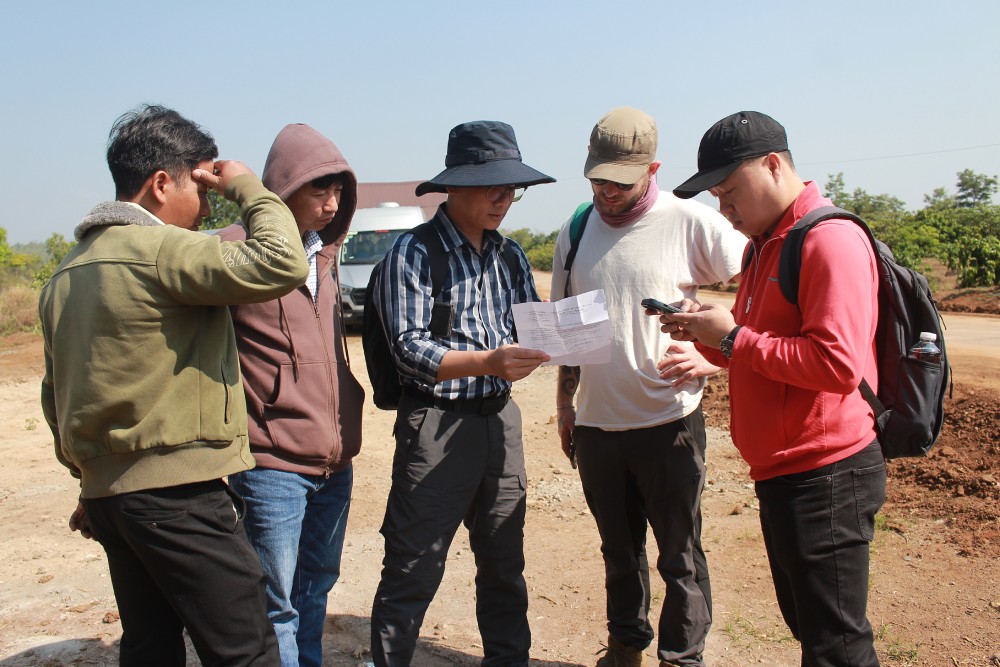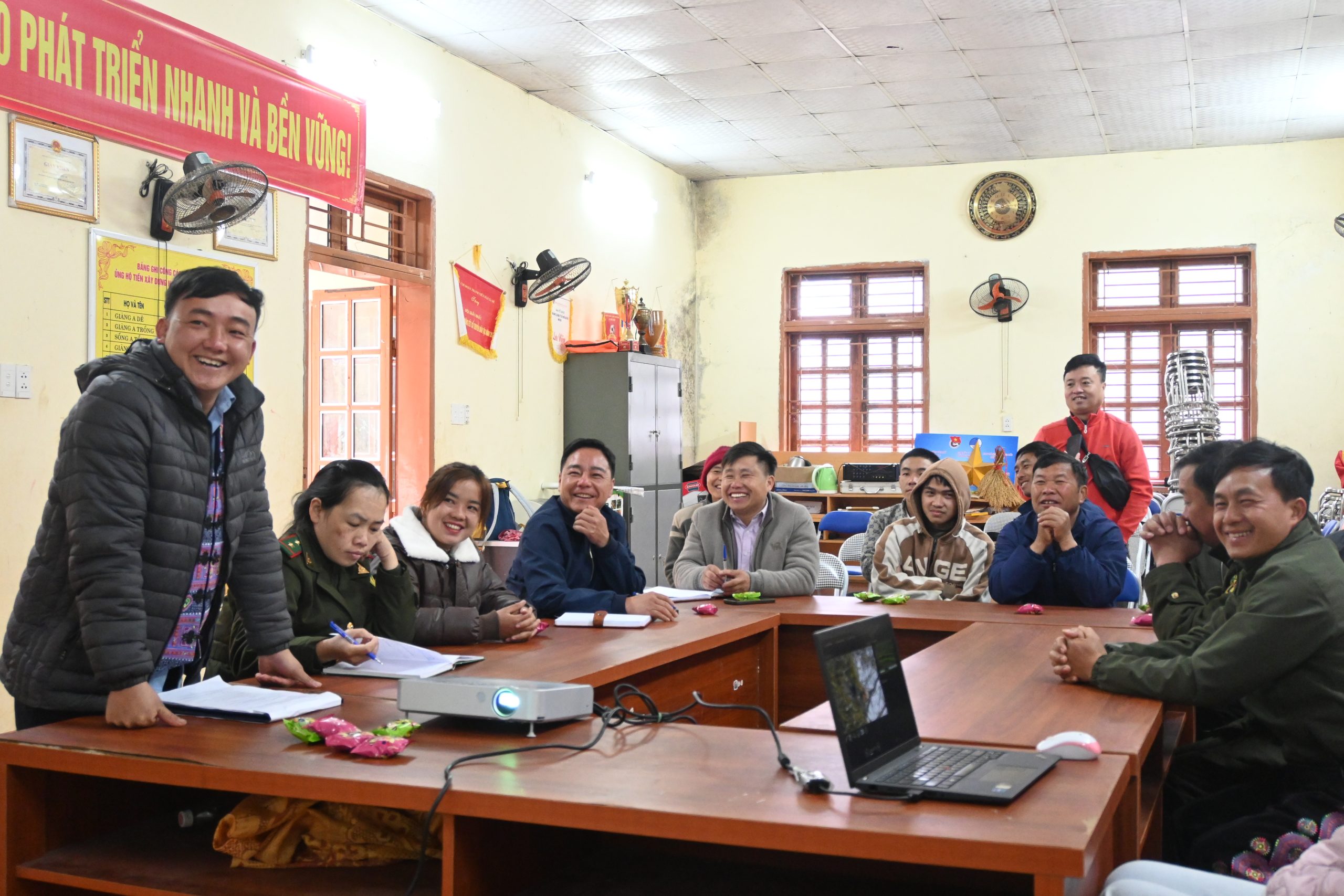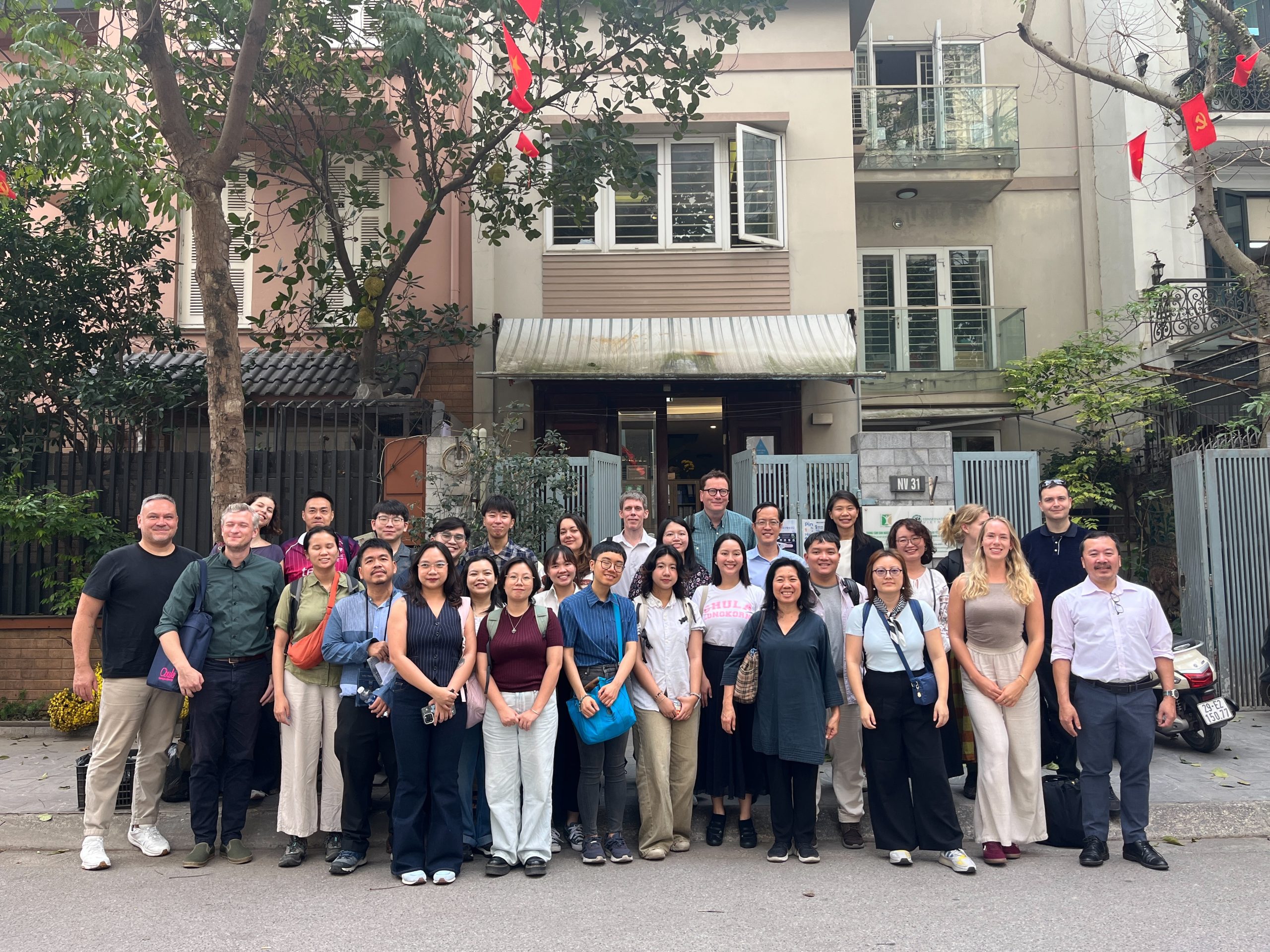
From March 17–20, 2026, within the framework of the Gia…
Learning Visit to Native Tree Restoration Initiatives in Thua Thien Hue and Quang Tri
On March 6–7, 2026, a delegation from PanNature conducted a learning visit to Thua Thien Hue and Quang Tri provinces to explore native tree nurseries, propagation techniques, and forest restoration initiatives using native species. The visit was part of PanNature’s ongoing efforts to strengthen practical knowledge and identify applicable lessons for its ecosystem restoration initiatives in other landscapes across Vietnam.
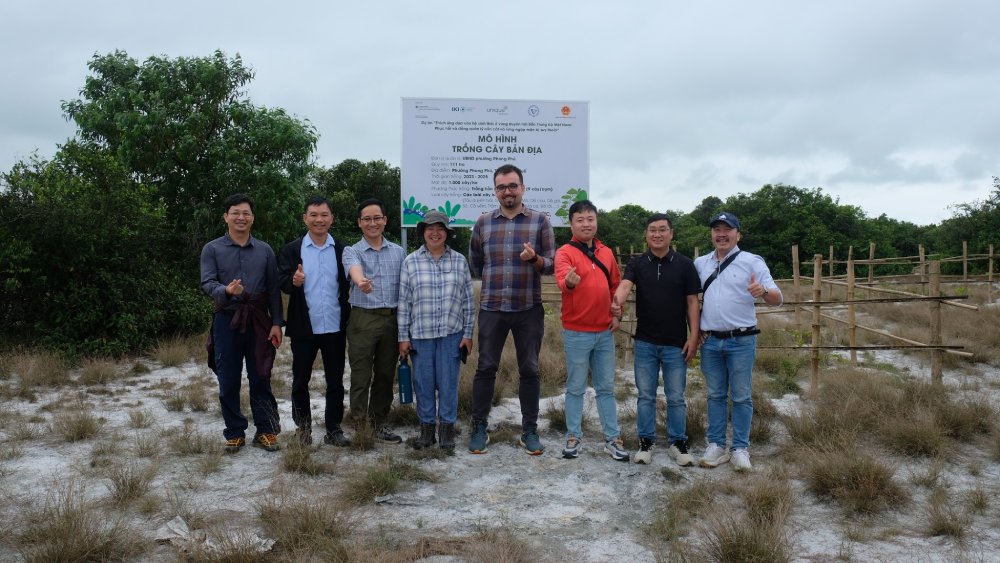
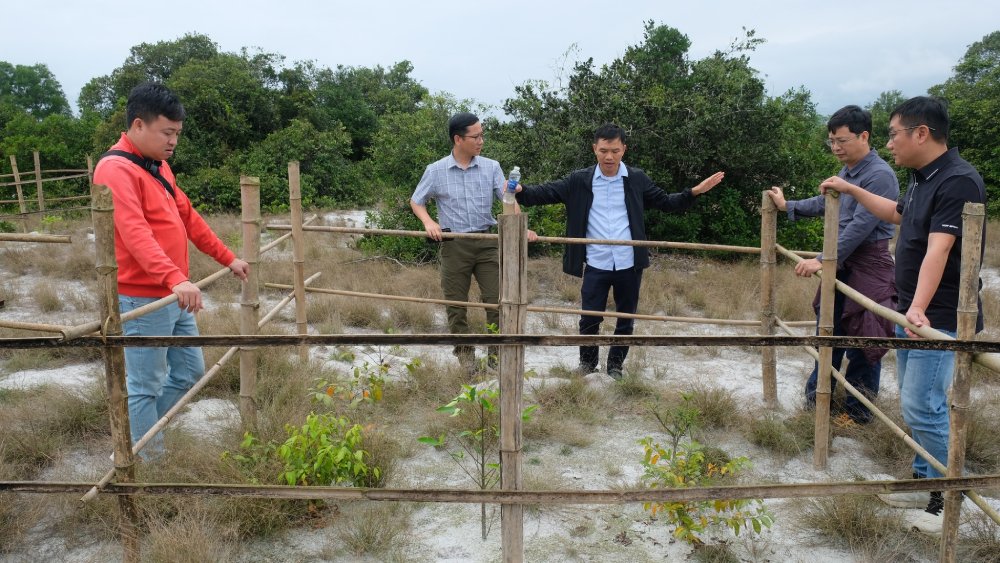
During the visit, the PanNature team observed one native tree nursery model applying raised-bed technique in Cam Lo District (Quang Tri) and three native tree planting and forest restoration models in Thua Thien Hue and Quang Tri. These included coastal sand forest restoration sites in Dien Huong and Phong Dien, as well as a forest conversion model in Bac Song Huong Protection Forest, where acacia plantations are gradually being transformed into forests with native timber species. These models offer valuable references at a time when Vietnam is placing increasing emphasis on the ecological quality and long-term sustainability of forest restoration efforts, beyond simply expanding tree planting areas.
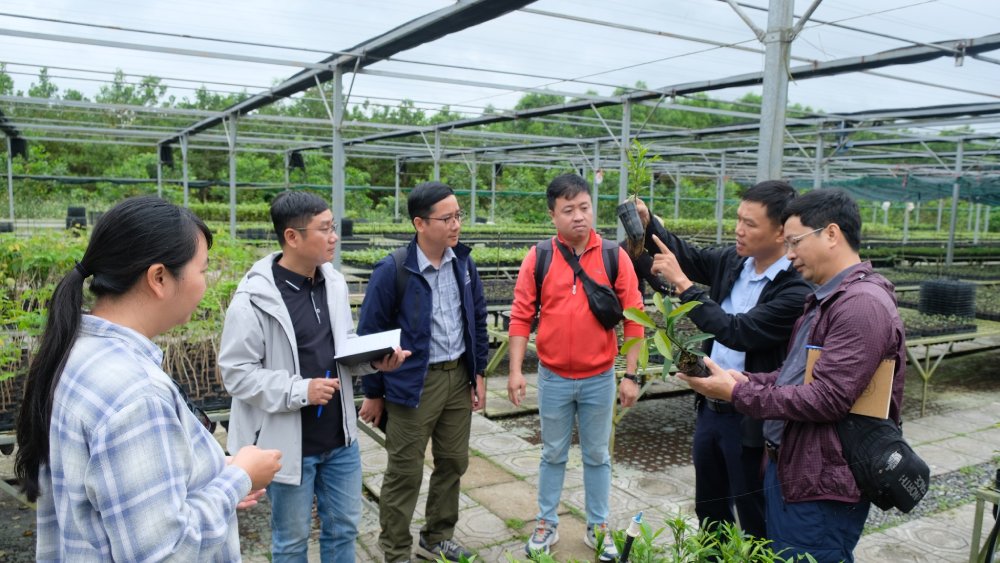
One of the most notable highlights of the visit was the native tree nursery in Cam Lo, which applies raised-bed technique – the first model in Vietnam to use elevated plastic containers for native species. This method helps improve root development, reduce root deformation, and enhance seedling resilience under harsh site conditions, thereby increasing survival rates after planting. The PanNature team also gained useful insights into nursery management practices, including the use of organic substrates, shade adjustment, automated irrigation, and propagation techniques tailored to different native species. These lessons are particularly relevant for PanNature’s restoration work in ecologically challenging areas such as Gia Lai and Van Ho.
At the restoration sites, the team paid special attention to approaches that work more closely with natural ecological processes. These included cluster planting methods on sandy soils, where groups of trees are planted together to create favorable microclimates, and strip enrichment planting in acacia plantations, which allows native broadleaf species to be reintroduced gradually while reducing livelihood risks for forest owners. Beyond technical solutions, the visit also highlighted the important role of local communities in planting, tending, and protecting young trees. Meaningful community participation, combined with appropriate technical guidance and long-term support mechanisms, remains a key factor in the success of native forest restoration.
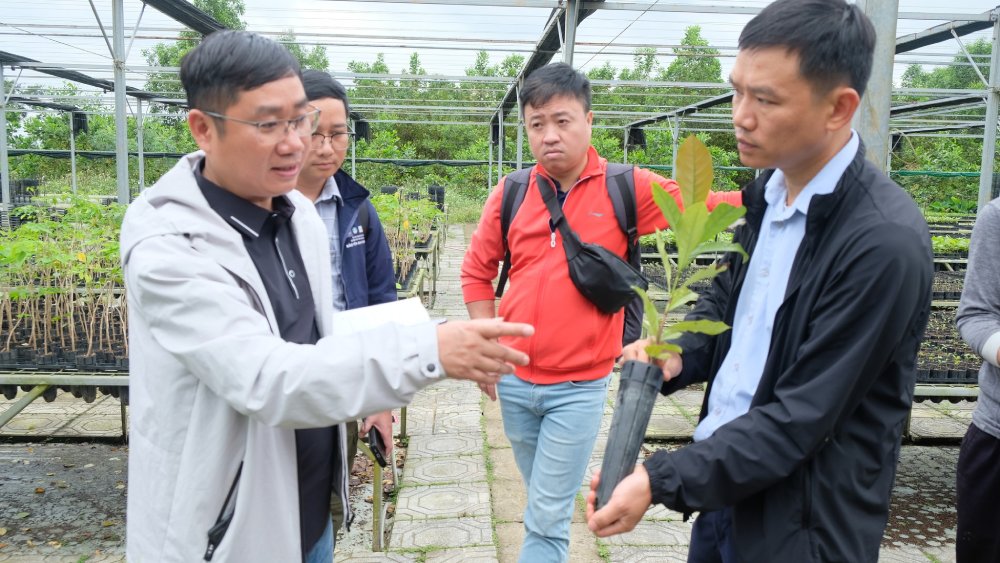
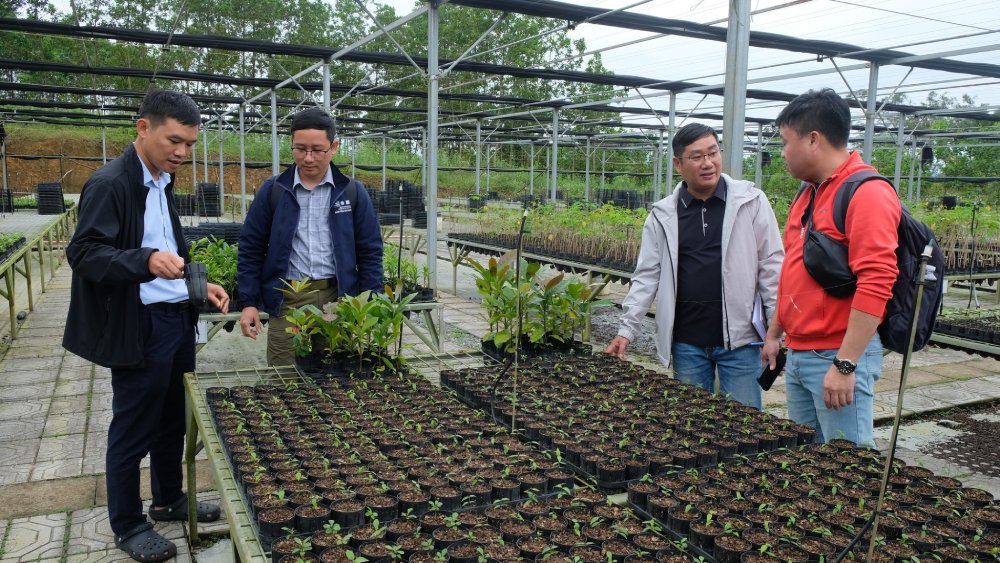
The learning visit provided PanNature with valuable practical lessons to inform and strengthen its ongoing ecosystem restoration efforts. Experiences related to satellite nursery development, native seedling supply, organic soil amendment, root-guiding techniques, and site-specific model design will help improve the implementation of future restoration activities. PanNature sincerely thanks Unique and local partners for their generous support, open knowledge sharing, and warm collaboration throughout the visit. These field-based insights and partnerships are an important foundation for advancing effective, long-term, and ecologically grounded forest restoration in Vietnam.
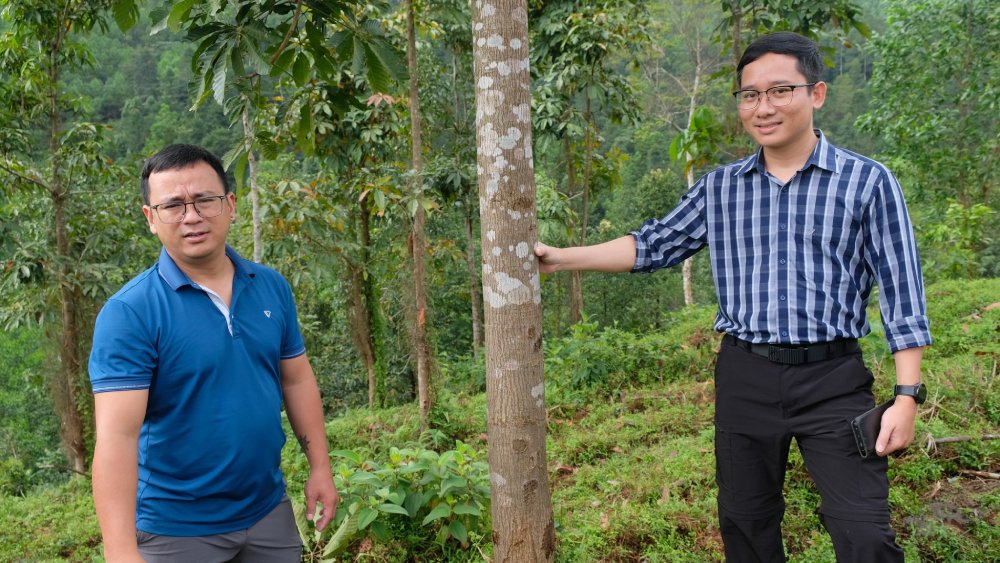
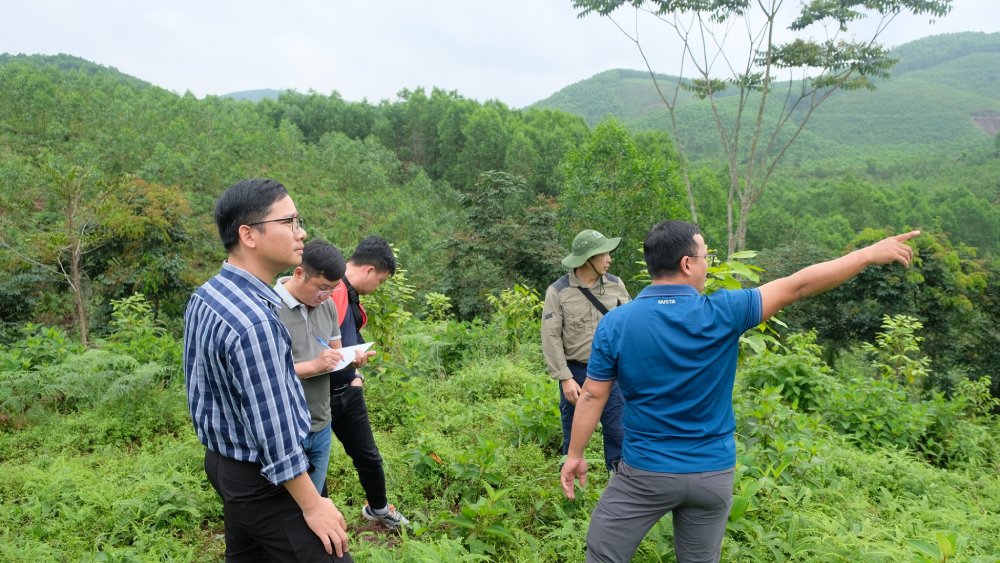
Some photos from the visit:
Related Posts