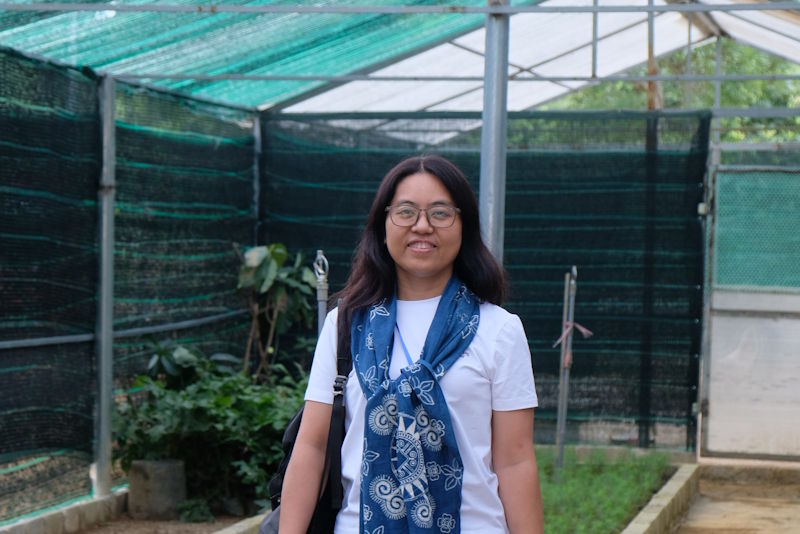
PanNature is pleased to announce the appointment of Ms. Nguyen Thi Phuong Dung as Deputy Director. Ms. Dung joined PanNature in May 2026 as Organizational Development Manager. Prior to joining PanNature, she accumulated more than 20 years of experience in nature conservation, communications, public awareness, and organizational management. During her time at Education for Nature – Vietnam (ENV), she served as Deputy Director and also managed the Communications and Public Awareness Program.
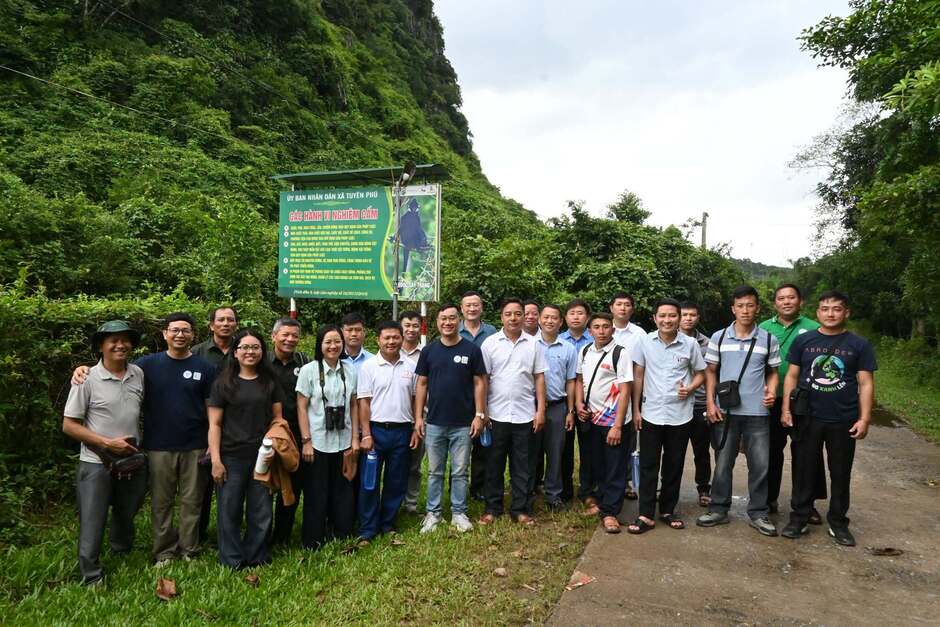
From Van Ho to Quang Tri: Bringing together communities for primate conservation and sustainable livelihoods
From November 8–11, 2026, community representatives and relevant local authorities from Van Ho Commune, Son La Province participated in a learning and experience-sharing program in Quang Tri Province organized by PanNature. The delegation included members of the Van Ho gibbon monitoring team, village leaders, and influential community members from 8 villages across Van Ho – located around natural forests inhabited by the Northern White-cheeked Gibbon – alongside representatives from Forest Ranger Sub-district X and the Van Ho General Service Center.
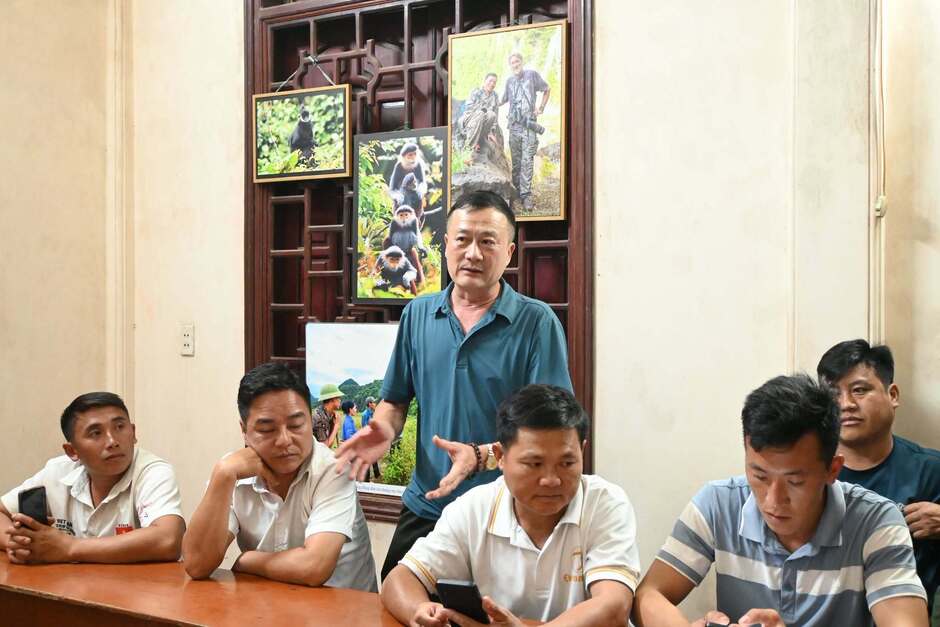
In Quang Tri, the delegation visited the Hatinh Langur Conservation Cooperative, a community-led initiative that combines wildlife conservation with efforts to improve local livelihoods. During the visit, the delegation learned about the cooperative’s establishment and development from a community conservation team into a legally recognized cooperative, its forest patrol and primate conservation activities, as well as its efforts to link forest protection with agroforestry and livelihood models supported by organizations such as CEGORN. These experiences provided delegates with practical insights into how community-based conservation, local governance, and income-generating activities can reinforce each other to reduce pressure on forest resources.
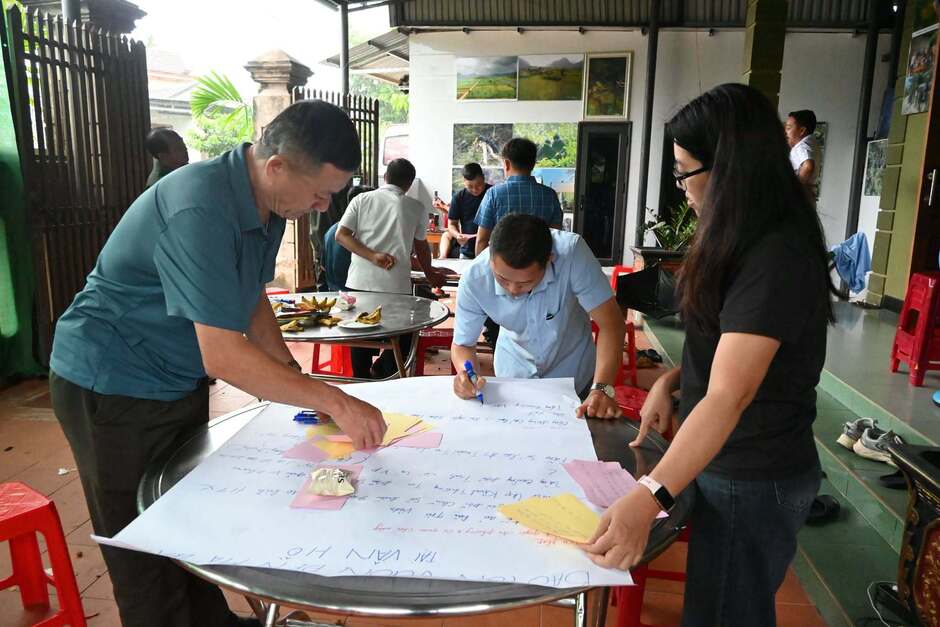
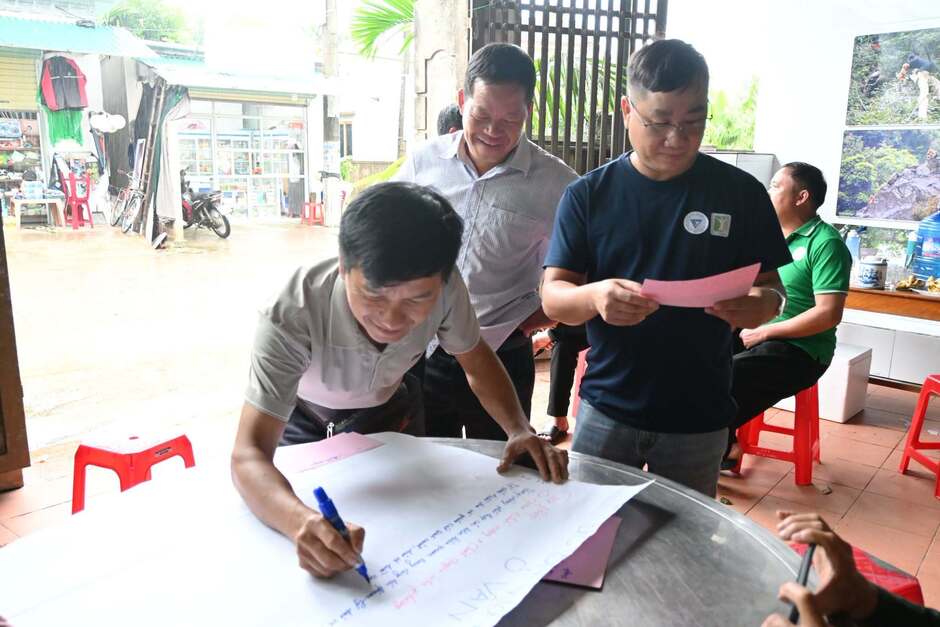
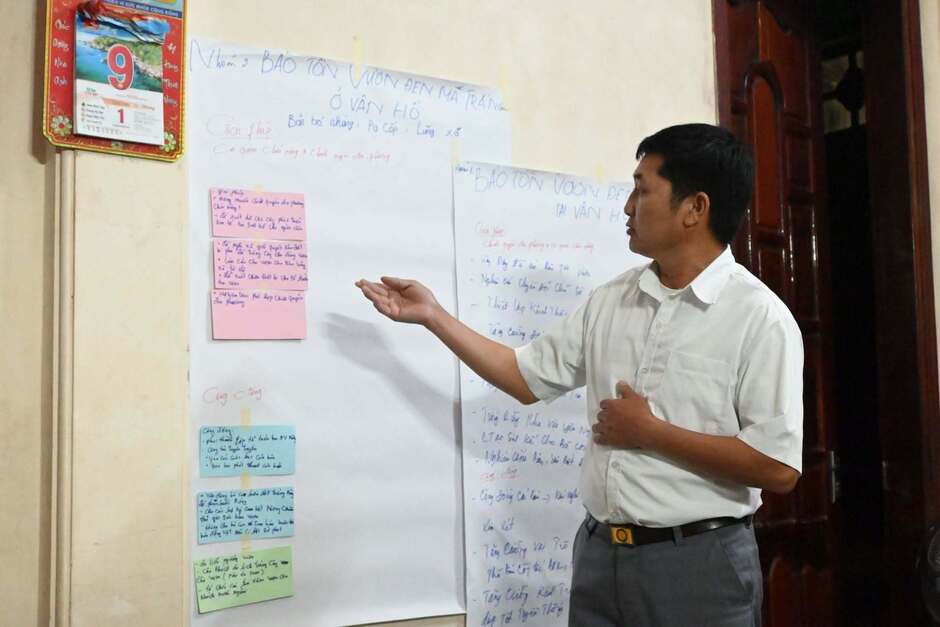
Beyond observing the model, participants engaged in direct exchanges with local conservation practitioners and discussed solutions to challenges in their respective communities. The discussions focused on practical approaches to protect the Northern White-cheeked Gibbon population and its natural forest habitat in Van Ho, while linking conservation efforts with livelihood improvement and community development. Learning from an established, community-led model also opened opportunities for stakeholders to better appreciate the pivotal role of local people in natural resource management.
For the Van Ho delegation, the exchange also offered a chance to reflect on the significance of their own efforts. Mr. Trang A Chu, owner of A Chu Homestay and an ecotourism pioneer in Van Ho, shared: “Through this trip, our village leaders and community members realized how crucial our years of conservation work at the village have been. We feel a deeper responsibility to protect and preserve the Northern White-cheeked Gibbon so that visitors can hear their calls every morning in our village.”
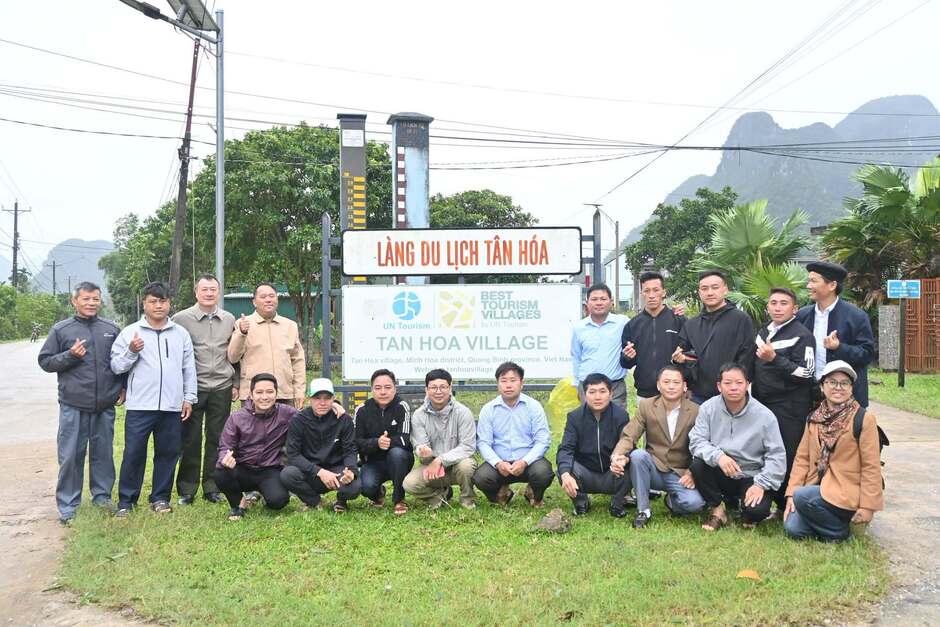
The delegation also visited Tan Hoa Tourism Village, recognized by UN Tourism as one of the World’s Best Tourism Villages in 2023. Here, delegates learned how local people proactively adapt to natural hazards, organize tourism activities in harmony with natural conditions, and step by step build a sustainable coexistence with the environment. Experiences from Tan Hoa offered insights into how Van Ho could draw on its natural landscapes, local culture and community strengths to develop conservation-linked livelihoods.
This exchange program was part of PanNature’s follow-up efforts to the 7th ICCA Southeast Asia Regional Assembly, held in Van Ho, Vietnam, in July 2026. These activities build on the Assembly’s theme, “Strengthening Territories of Life through Solidarity, Recognition, and Community-Led Action,” and align with the Tenure Facility (TF) Project Framework. Through these efforts, PanNature aims to translate regional discussions into practical, community-level learning and action.
By building local capacity and peer networks, this exchange lays the foundation to co-create practical, locally adapted solutions for the long-term conservation of the Northern White-cheeked Gibbon and its forest habitat, with the active participation and benefit of local communities.
This exchange program was organized under the “Vietnam Country Coordination and ICCA Documentation” project, funded by NTFP-EP Asia.
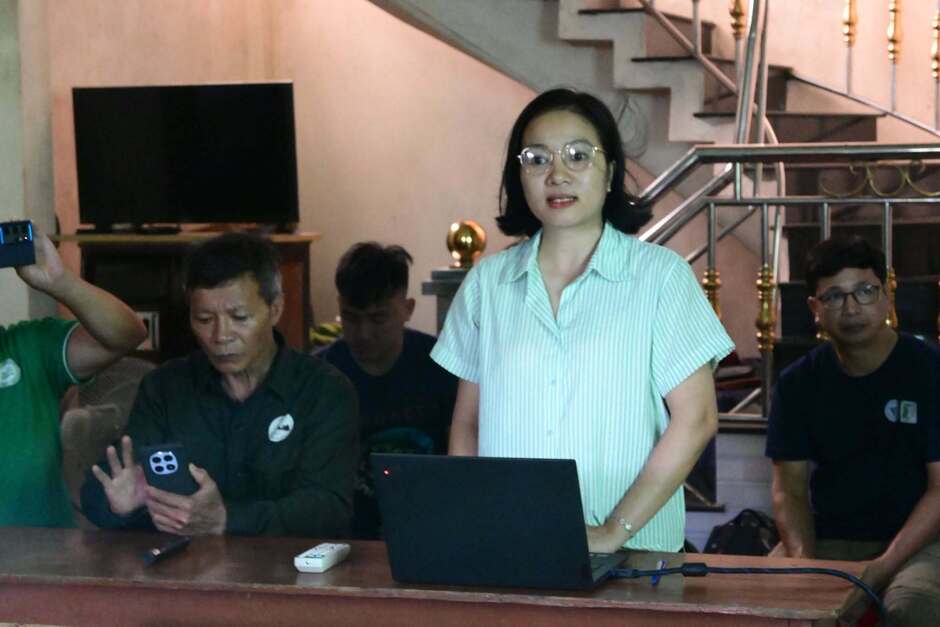
Some photos from the learning and experience-sharing visit by the delegation from Van Ho Commune to Quang Tri Province:
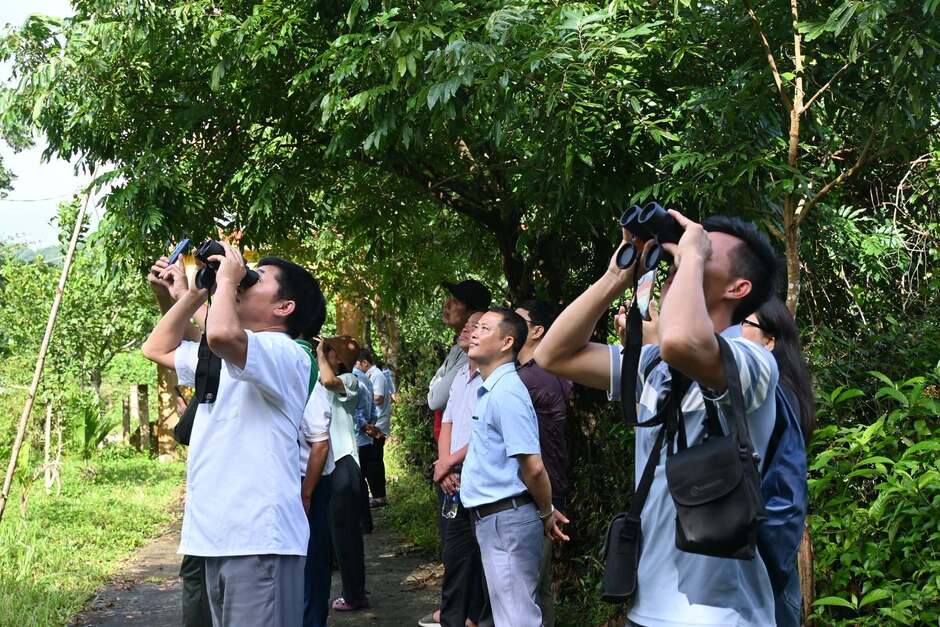
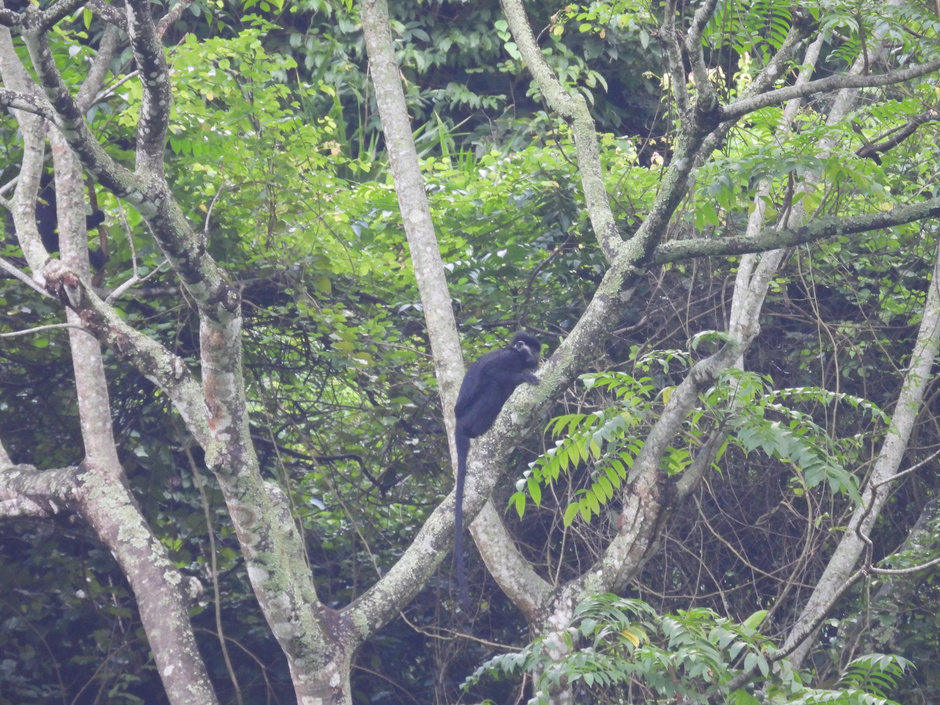 The Hatinh Langur Conservation Cooperative in Quang Tri is a community-based conservation model that has made significant contributions to protecting this rare primate species. (Photo: PanNature)
Related Posts