Skip to content

Workshop Looks to Expand Network of Wildlife Reporters in Vietnam

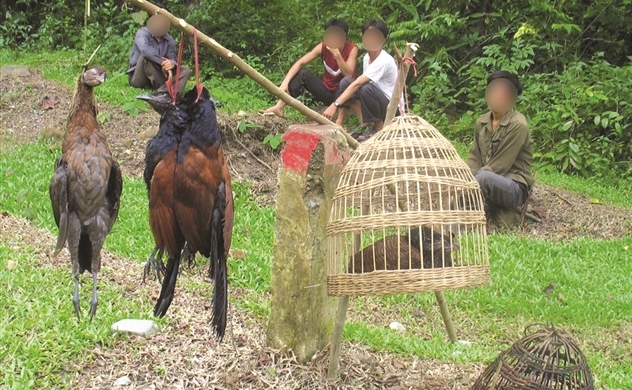
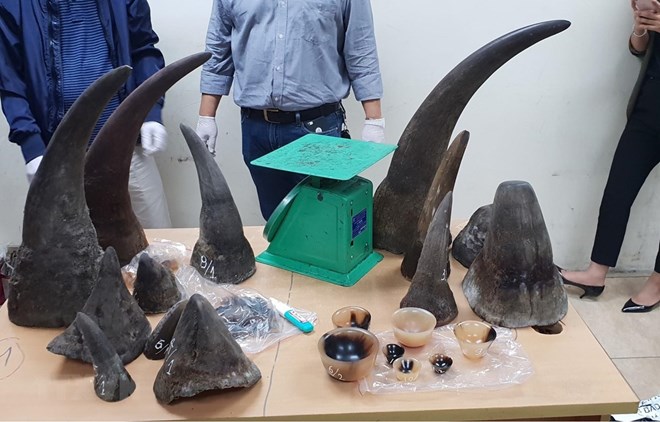
A refresher course for journalists on reporting about the conservation and rescue of wild animals began in the northern province of Vinh Phuc on May 21. The two-day event aims to popularise the reality of and reasons for wildlife trafficking, as well as share experiences of reporters and experts and expand the network of journalists reporting on the issue. It is organised by PanNature, a Vietnamese non-profit organisation dedicated to protecting and conserving diversity of life.

Questions remain as Vietnam reaches major REDD+ milestone

Nguyen Thi Hai Van, a PhD candidate at the Institute of Geography and Sustainability at Switzerland’s University of Lausanne, Policy Program Advisor of PanNature, did her Master’s research on the REDD+ pilot project in Kon Tum mentioned above. She explained in an email that this province, along with nearby Quang Nam and Quang Ngai, have received money from the Ministry of Agriculture and Rural Development to pay local communities to protect forests. This particular program was created with assistance from Fauna & Flora International.

Compliance key to overseas success

According to Vietnamese not-for-profit organisation People and Nature Reconciliation’s (PanNature) latest survey on cross-border investment risks, there are two main reasons putting Vietnamese investors in legal risks. Accordingly, the companies do not accurately evaluate opportunities and challenges before venturing into the target country, especially the differences in culture, customs, and environmental policies.

Economic Development Associated With Social Security

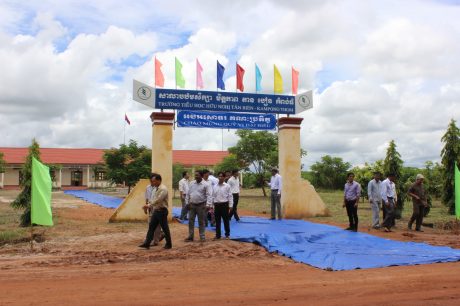
VRG has actively cooperated with a number of non-governmental organizations (NGOs) such as PanNature, Oxfam in Vietnam and UN-REDD+ Vietnam to survey several member companies in Laos, Cambodia that aim to build and apply "Guidelines for voluntary risk reduction in agricultural investment abroad" VRG is also trying to cooperate with some other NGOs on re-issuing FSC certificates.

Community-based forest management the way forward

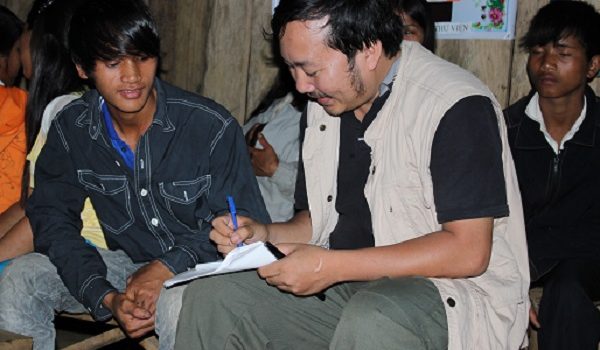
Forestry experts are optimistic about the future in Vietnam, largely thanks to community-based forest management. The model is developing extensively in the country, and experts have lauded its ability to increase forest recover, limit deforestation and create income from forests for local people. Nguyen Viet Dung from PanNature, a Vietnamese not-for-profit organisation that works to protect nature, said at recent seminar in Hanoi: “People’s participation in forest conservation and management is very important.”

Forest Governance Reforms Needed in the Region

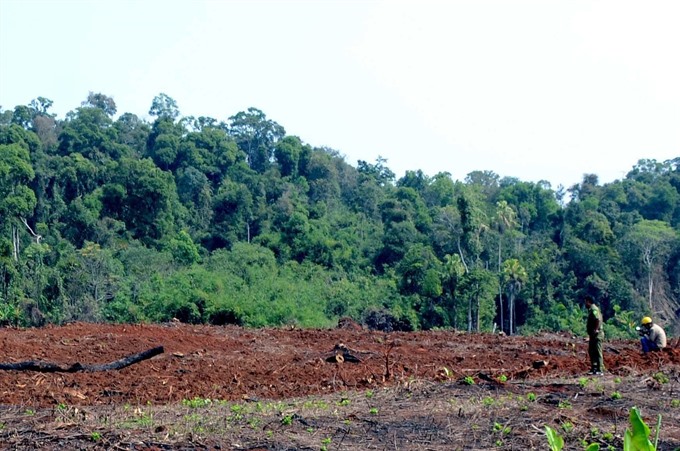
In Vietnam natural forests belong to the state, the condition which restrains local people access to special-use and forest protection. At the same time, overlaps in land use rights occur in many protected areas, stimulating illegal logging and affecting land uses by local communities, a panellist from Vietnam’s PanNature said.  Giving people tenure to the land is seen as a way to help secure people’s rights to the forests, and Pan has been working in Vietnam to influence the government’s policies by offering recommendations and new models such as co forest management for community forests. 

Back To Top