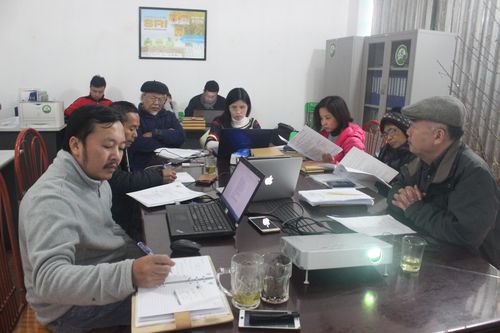
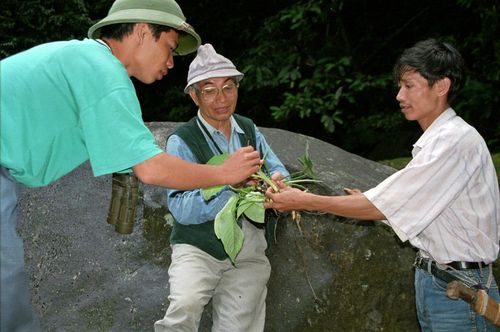
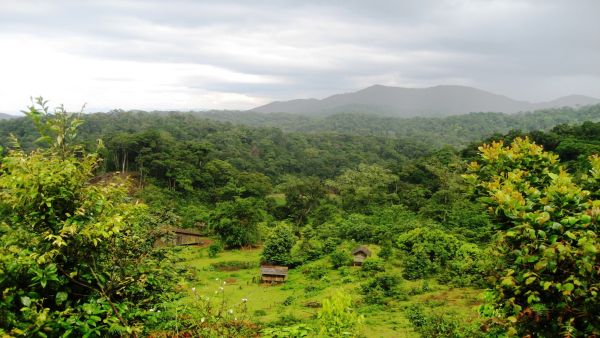
Attention has recently been paid to how REDD+ mitigation policies are integrated into other sectoral policies, particularly those dealing with climate adaptation at the national level. But there is less understanding of how subnational policy and local projects are able to incorporate attention to adaptation; therefore, we use a case study in Vietnam to discuss how REDD+ projects and policies address both concerns of mitigation and adaptation together at subnational levels. Through stakeholder interviews, focus groups, and household surveys in three provinces of Vietnam with REDD+ activities, our research sought to understand if REDD+ policies and projects on the ground acknowledge that climate change is likely to impact forests and forest users; if this knowledge is built into REDD+ policy and activities; how households in forested areas subject to REDD+ policy are vulnerable to climate change; and how REDD+ activities can help or hinder needed adaptations. Our findings indicate that there continues to be a lack of coordination between mitigation and adaptation policies in Vietnam, particularly with regard to REDD+. Policies for forest-based climate mitigation at the national and subnational level, as well as site-based projects, have paid little attention to the adaptation needs of local communities, many of whom are already suffering from noticeable weather changes in their localities, and there is insufficient discussion of how REDD+ activities could facilitate increased resilience. While there were some implicit and coincidental adaptation benefits of some REDD+ activities, most studied projects and policies did not explicitly target their activities to focus on adaptation or resilience, and in at least one case, negative livelihood impacts that have increased household vulnerability to climate change were documented. Key barriers to integration were identified, such as sectoral specialization; a lack of attention in REDD+ projects to livelihoods; and inadequate support for ecosystem-based adaptation.