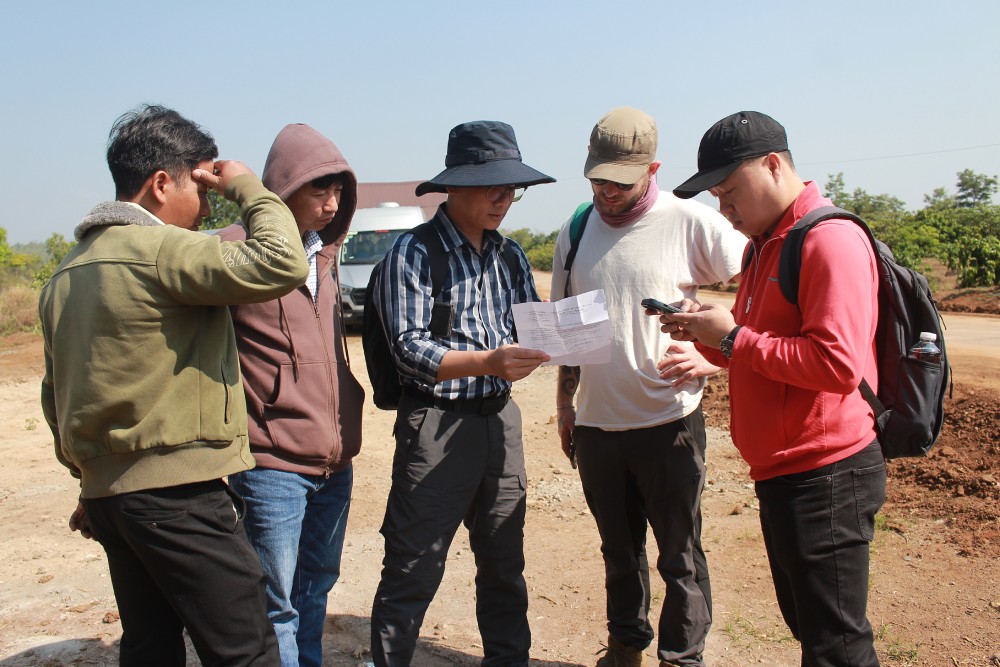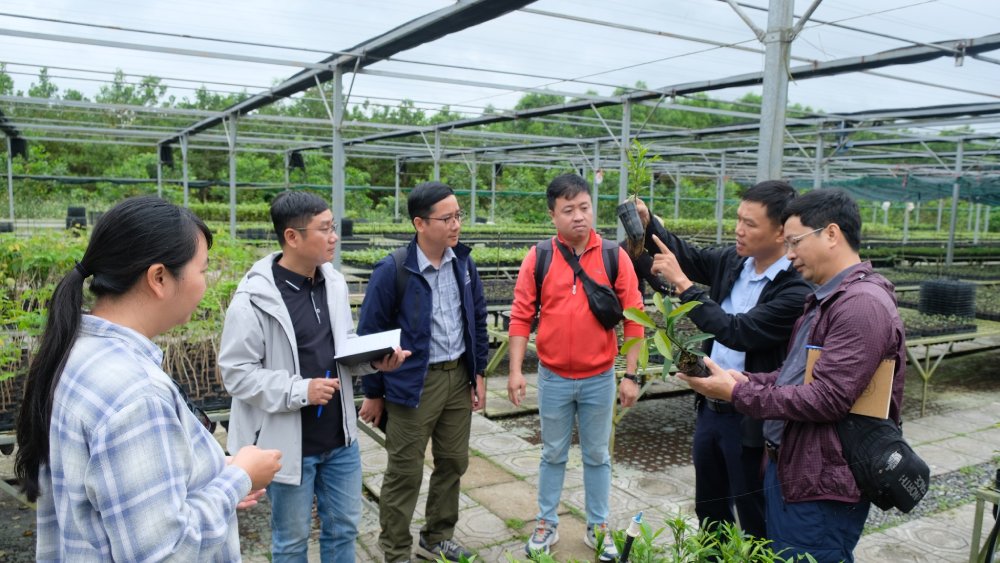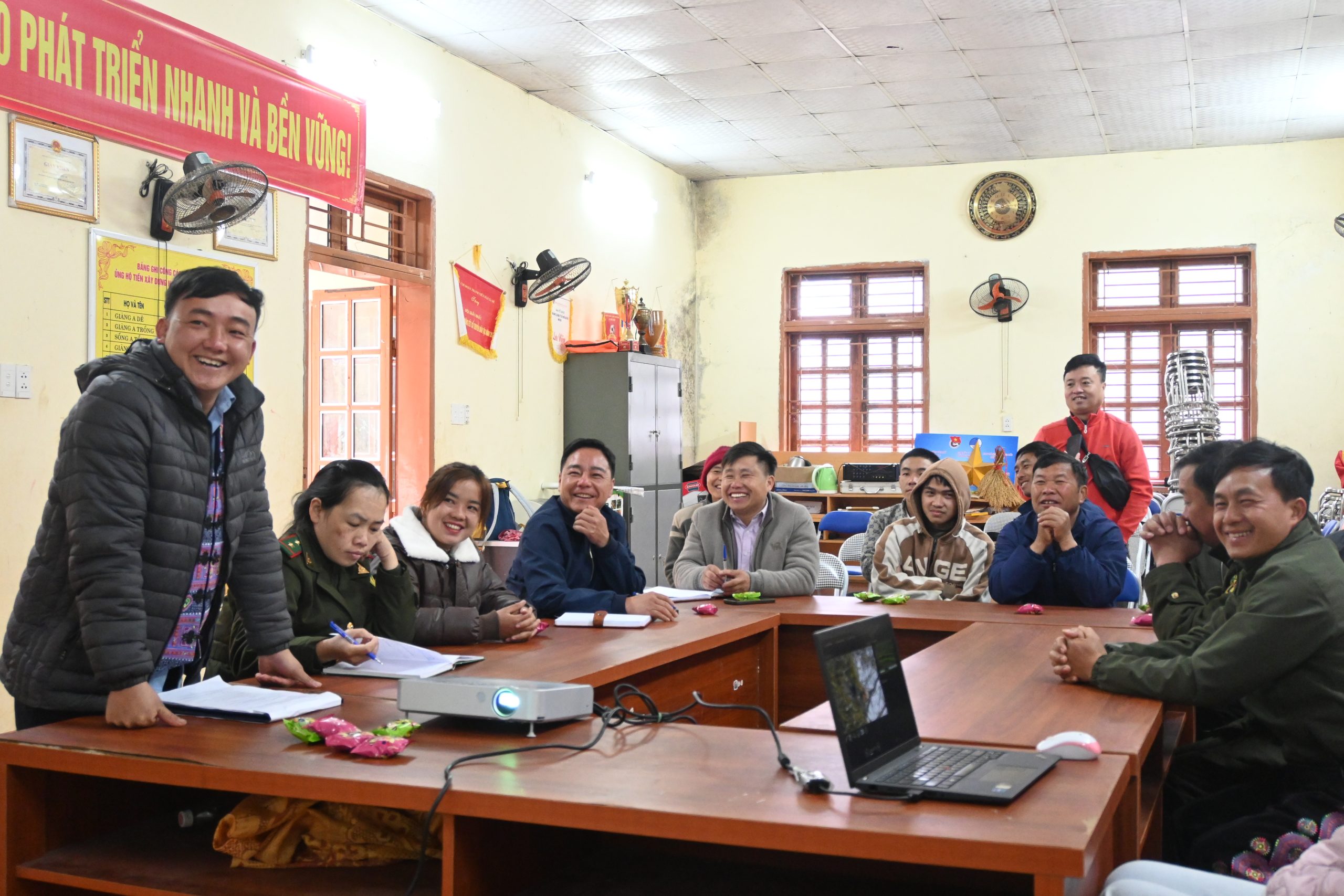
From March 17–20, 2026, within the framework of the Gia…
Vietnam’s Nature: Past, Present, and the Next 100 Years
In the development history of every nation, there are moments when decisions made in the present shape the face of nature for generations to come. Vietnam is standing at such a moment. The choices made in the coming decade will not only determine the country’s ability to fulfill national and international commitments on biodiversity, climate, and sustainable development, but will also directly affect whether forest, river, and marine ecosystems and the wildlife they support will still have enough space to recover and continue sustaining the country’s long-term development.
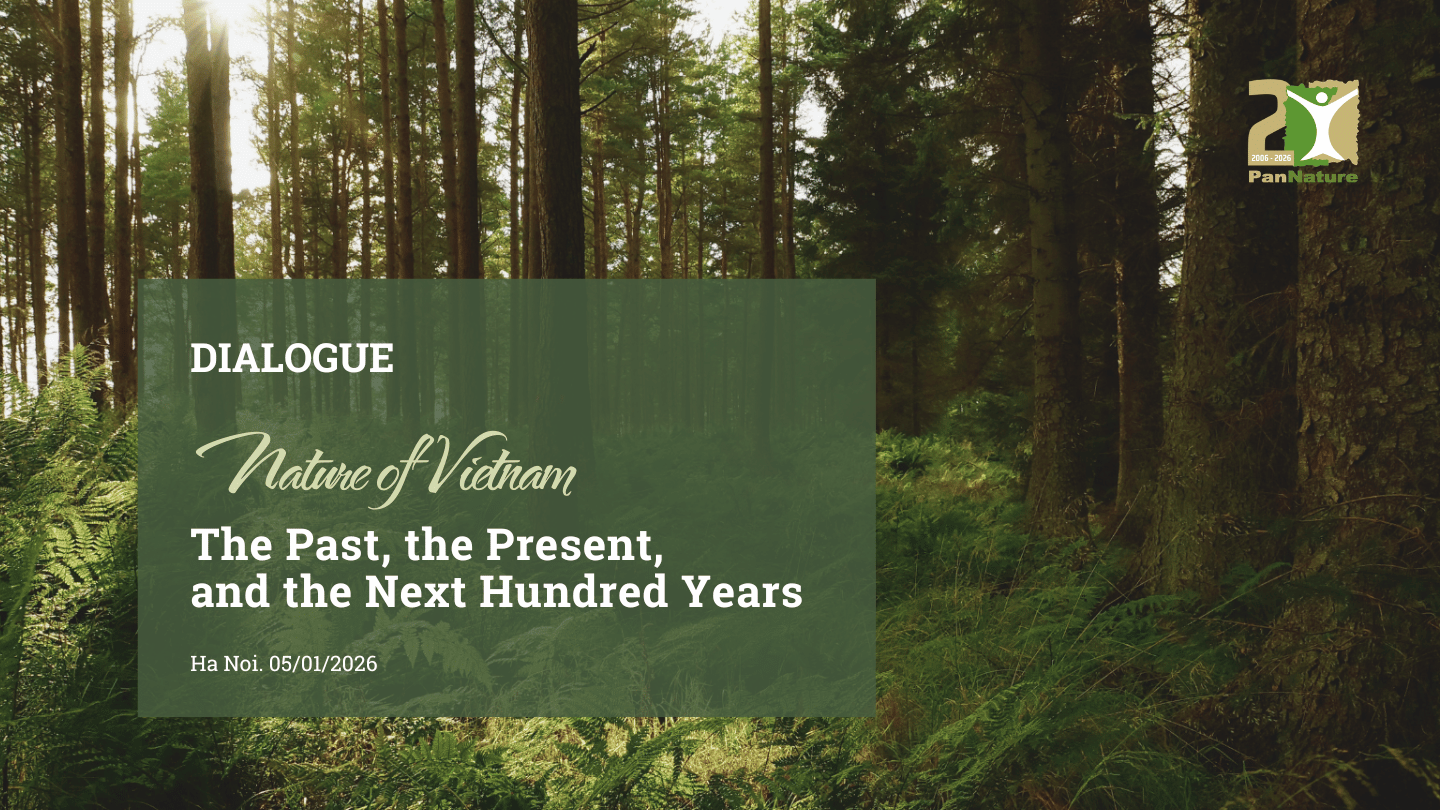
On January 5, 2026, in Hanoi, PanNature organized the dialogue “Nature of Vietnam: Past, Present, and the Next 100 Years.” The event brought together scientists, conservation experts, policymakers, and representatives from civil society organizations to reflect on the journey of Vietnam’s nature while opening strategic discussions for the long-term future. The dialogue was held as part of the 20th anniversary celebration of PanNature.
In his opening remarks, Mr. Trinh Le Nguyen, Director of PanNature, evoked a historical snapshot: just about a century ago, Vietnam still possessed vast and thriving forests where large wildlife such as tigers, rhinos, and elephants were commonly found. The country’s socio-economic development, especially after the Doi Moi has helped lift tens of millions of people out of poverty, but it has also left significant losses for nature.
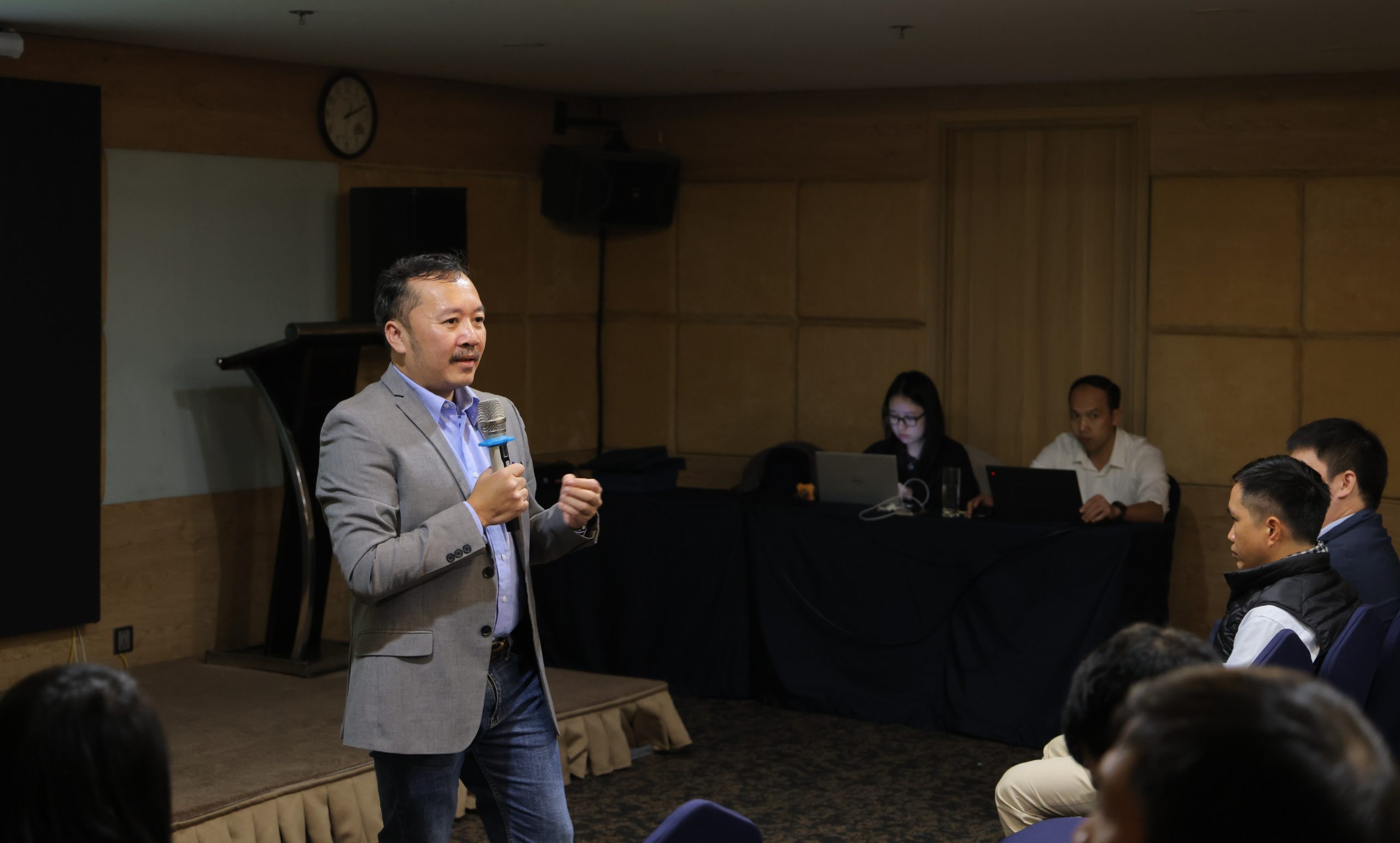
Today, although Vietnam’s forest cover has reached around 43%, many forests have become “silent forests” – trees remain, but wildlife is largely absent. Many iconic species have gone extinct or no longer survive in the wild. From this reality, the dialogue posed a generational question: if we start taking action today, what natural legacy will we leave behind in 100 years?
A Biodiversity Picture: Rich Yet Rapidly Declining
In the opening presentation, Prof. Nguyen Quang Truong, Vice Director of the Institute of Biology (Vietnam Academy of Science and Technology), outlined the overall picture of Vietnam’s biodiversity within the context of the global biodiversity crisis. Vietnam is recognized as one of the world’s biodiversity-rich countries, continuously recording species new to science, yet it is also facing severe pressures of decline.
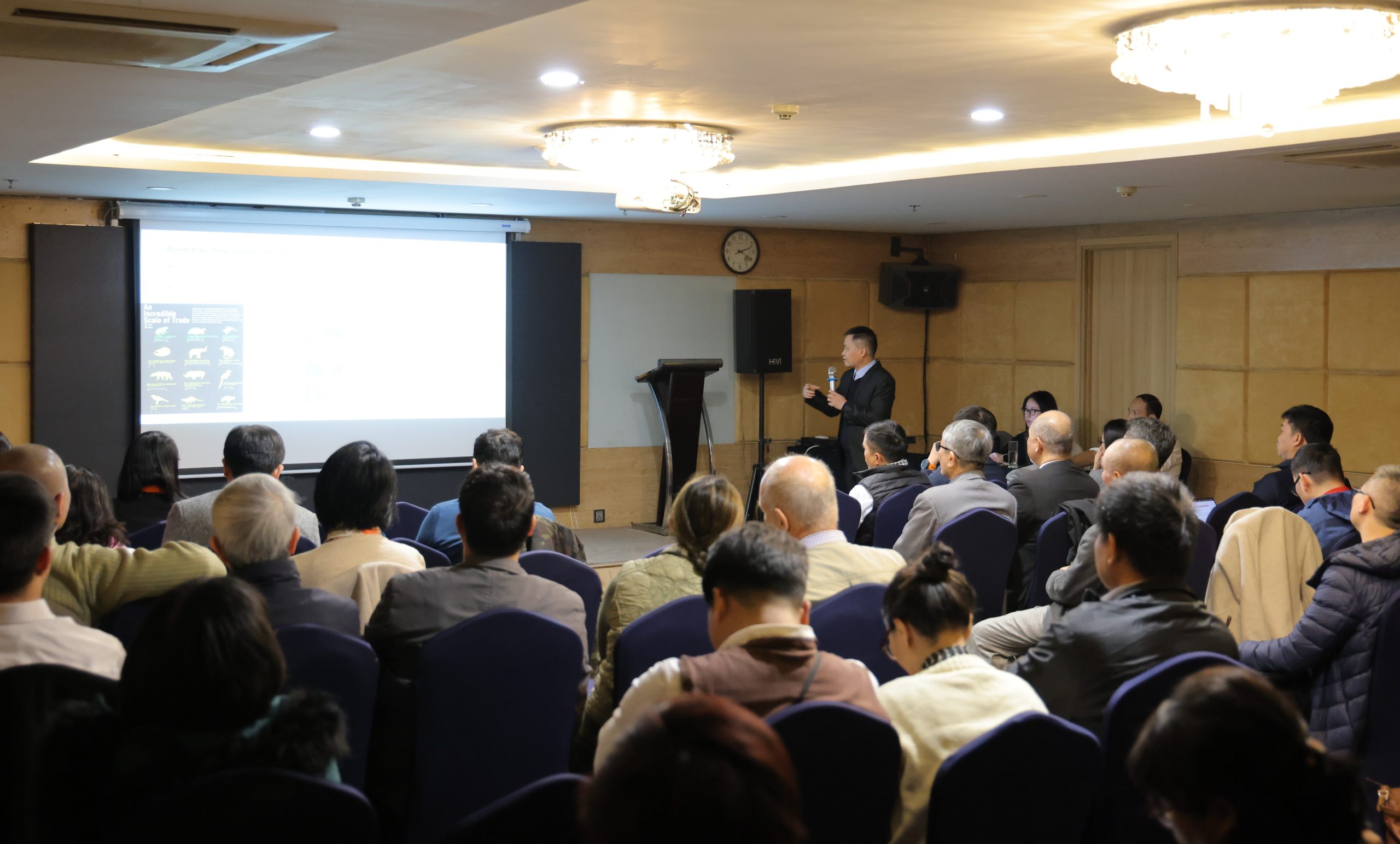
Major threats include over-hunting and over-exploitation, land conversion for agriculture and infrastructure, illegal wildlife trade, invasive alien species, and the growing impacts of climate change. In this context, the National Biodiversity Strategy and Action Plan to 2030, Vision to 2050 (NBSAP) is seen as a crucial policy framework. However, the greatest challenge lies not in the lack of policies, but in the gap between ambitious goals and actual implementation.
Rewilding: A Dream or a Possibility?
From a field-based perspective, Mr. Nguyen Van Thai, Director of the Save Vietnam’s Wildlife (SVW), highlighted the silent crisis caused by hunting and snare trapping that is devastating forest ecosystems. Estimates suggest that millions of wire snares still remain in forests, pushing many species to the brink of extinction.

In this context, he introduced the concept of “rewilding” as a new conservation approach that goes beyond traditional methods. Rewilding is not simply about replanting trees or releasing animals back into nature; it is about restoring natural ecological processes, reconnecting habitats, and allowing ecosystems to regain their ability to function independently. While highly challenging, this approach could become a necessary pathway if Vietnam hopes to reverse the current trajectory of ecological decline.
Conservation Beyond Protected Areas: The Central Role of Communities
From another perspective, Ms. Nguyen Thu Hue, Director of the Marine Conservation and Community Development Center (MCD), raised questions about the feasibility of conservation outside formal protected areas. She emphasized that modern conservation cannot be separated from local communities – those who depend on natural resources and are directly affected by ecosystem degradation.

The emergence of mechanisms such as co-management has opened opportunities to empower communities. However, major challenges remain in governance capacity and long-term sustainability. According to Ms. Hue, conservation success cannot be measured solely by the number of projects or the area designated for protection, but by whether communities truly become equal stakeholders with a voice and the ability to decide their own future.
Thinking About Vietnam’s Nature in the Next 100 Years
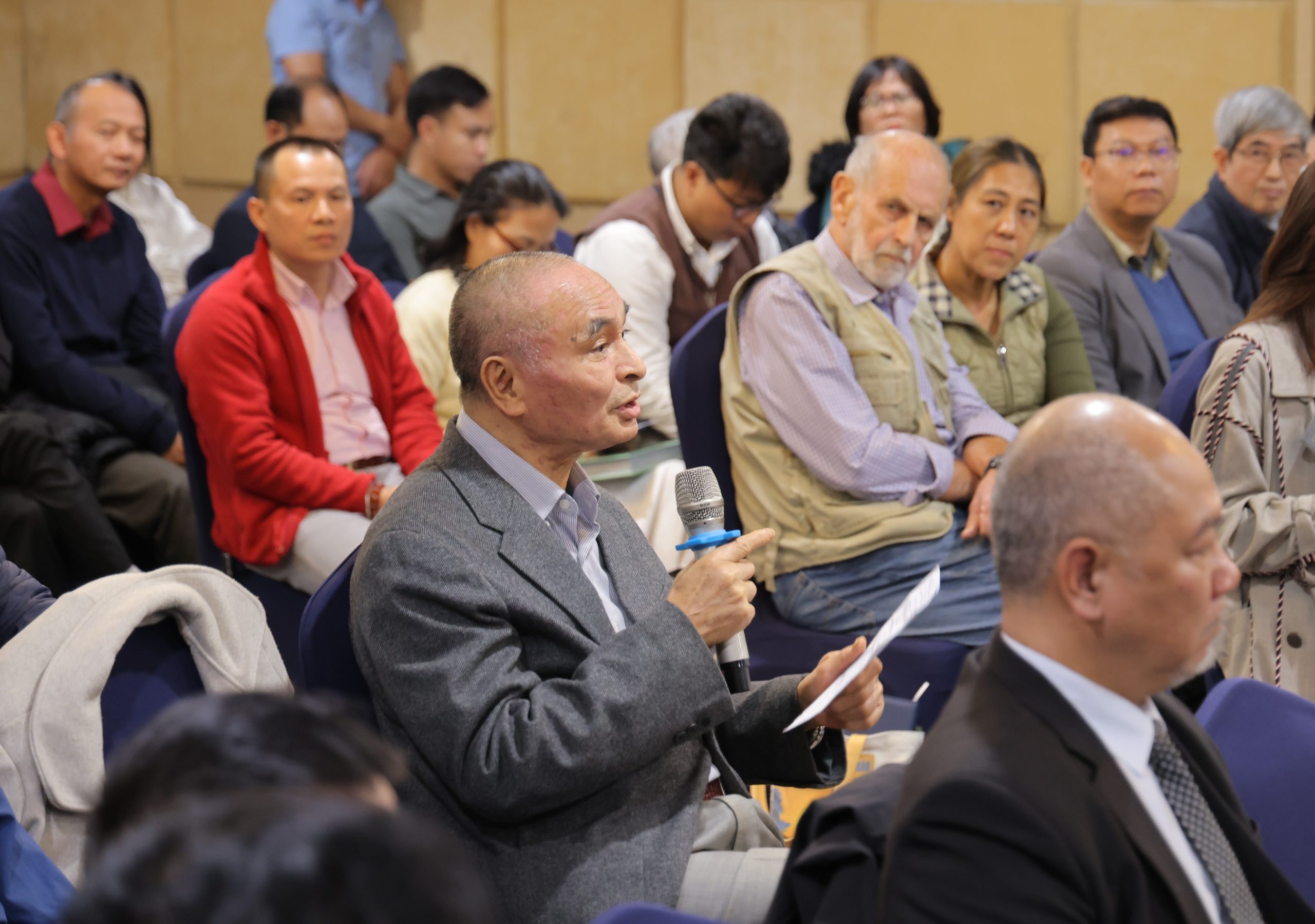
The open discussion session broadened the conversation to more macro-level issues, from Vietnam’s role in global trade chains and the cross-border impacts of consumption and investment, to the potential of nature-based solutions and green finance. Participants agreed on one key point: nature does not recognize administrative boundaries, and the decisions made today, from policies to production and consumption will shape Vietnam’s position and responsibilities in the future.



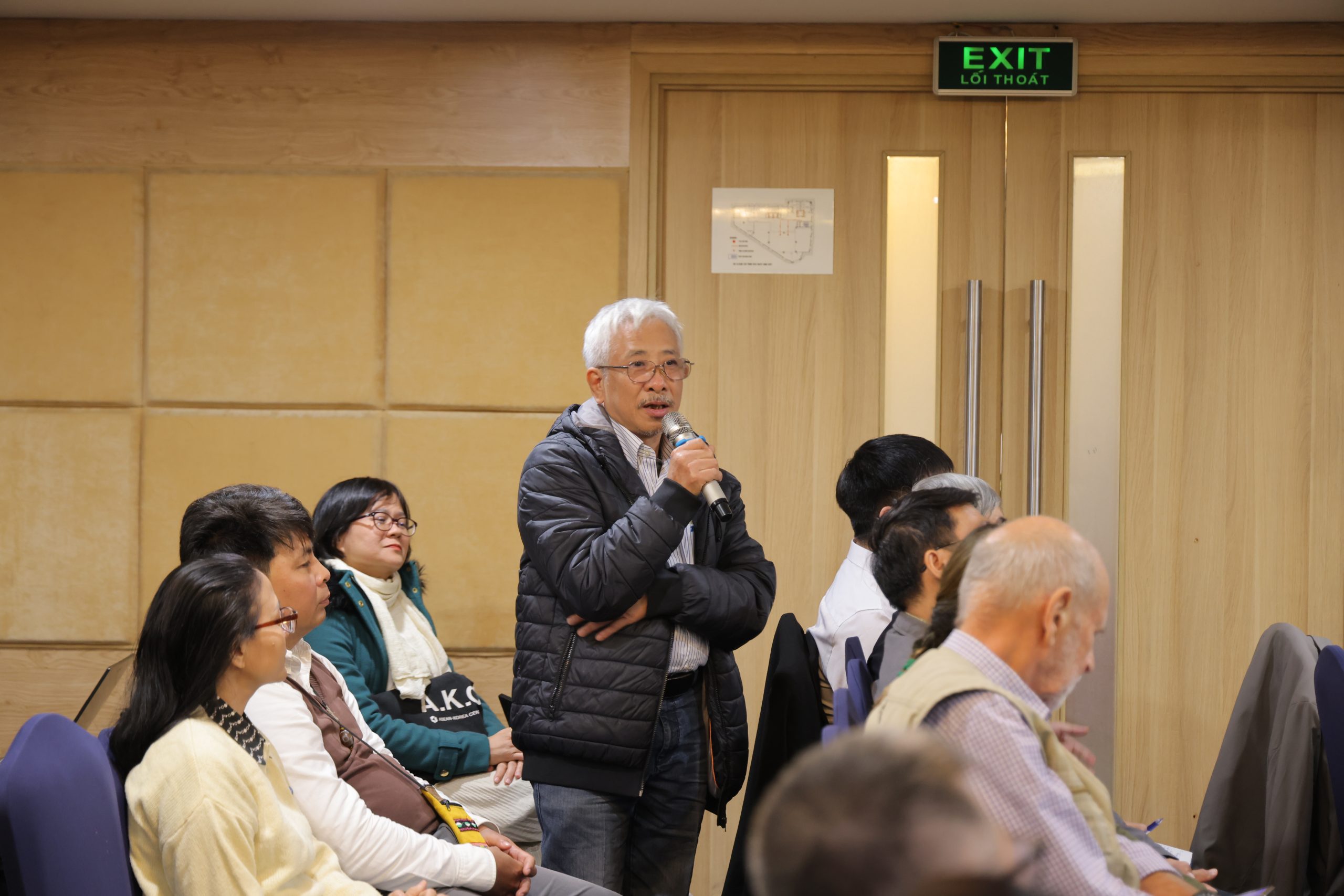
Throughout the dialogue, a clear message emerged: the future of Vietnam’s nature is not a predetermined scenario. It is the result of choices made today – choices about development pathways, governance approaches, how communities are valued, and how humans perceive their relationship with nature. Thinking about the next hundred years is not about predicting the future, but about recognizing that what we do today will become the legacy we leave for generations to come.
Full recording of the dialogue “Nature of Vietnam: The Past, the Present, and the Next Hundred Years”.
Related Posts