From March 17–20, 2026, within the framework of the Gia…

Field Notes on the Status of the Tonkin Snub-nosed Monkey Population in Tuyen Quang
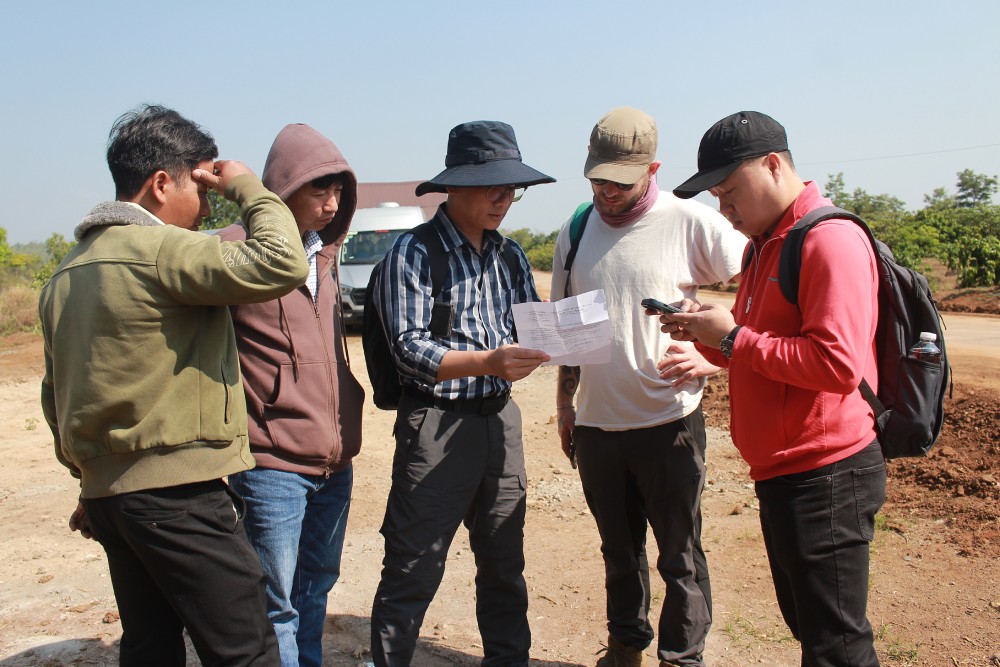
From March 30 to April 4, 2025, PanNature organized a survey on the conservation status of the Tonkin snub-nosed monkey in Tuyen Quang Province by collecting documents and information from forest protection agencies, local authorities, and communities in four communes in the three districts of Na Hang, Ham Yen, and Chiem Hoa.
These are locations where the presence of the Tonkin snub-nosed monkey (Rhinopithecus avunculus)—one of the most critically endangered primates in the world and an endemic subspecies of Vietnam—had been recorded, with initial population surveys in the 1990s estimating over 100 individuals. However, after several decades, the population appears to have declined significantly, and sightings or photographic evidence of the species have become rare.
The survey team conducted interviews and collected information in three villages (Tat Ke, Na Con, Ban Bung) corresponding to three communes (Khau Tinh, Son Phu, Thanh Tuong) in Na Hang District from March 30 to April 3, and on April 4 gathered information from the Ham Yen Forest Protection Unit and Ha Lang Commune (Chiem Hoa District). A total of 35 individuals, including provincial, district, and commune-level forest protection officers, commune leaders, village heads, and local residents participated in providing information. Of these, the team conducted in-depth interviews with 16 out of 18 forest rangers and 9 out of 12 local residents who had previously participated in surveys on the Tonkin snub-nosed monkey and/or had extensive forest experience, in order to gather data on the species’ current conservation status, causes of its decline, and challenges in biodiversity conservation and forest management in the province more broadly. In addition, the team also worked with five commune officials to collect information on the local natural conditions, socio-economic situation, primary livelihood sources, cultural characteristics, and factors potentially contributing to the species’ decline.

The survey results indicate that the population of the Tonkin snub-nosed monkey in both Na Hang and Cham Chu has declined sharply, with very few reports of sightings over the past 10 years. Some reports indicated only traces of food remains and/or vocalizations of the monkeys in remote forest areas such as Khau Tep Village (Khau Tinh Commune) and Nam Chang Forest (Son Phu and Thanh Tuong Communes). Based on the collected information, it is estimated that no more than 20 individuals remain in Na Hang (5–6 in Khau Tep and 10–11 in Nam Chang). There is no clear information confirming the species’ presence in Cham Chu.
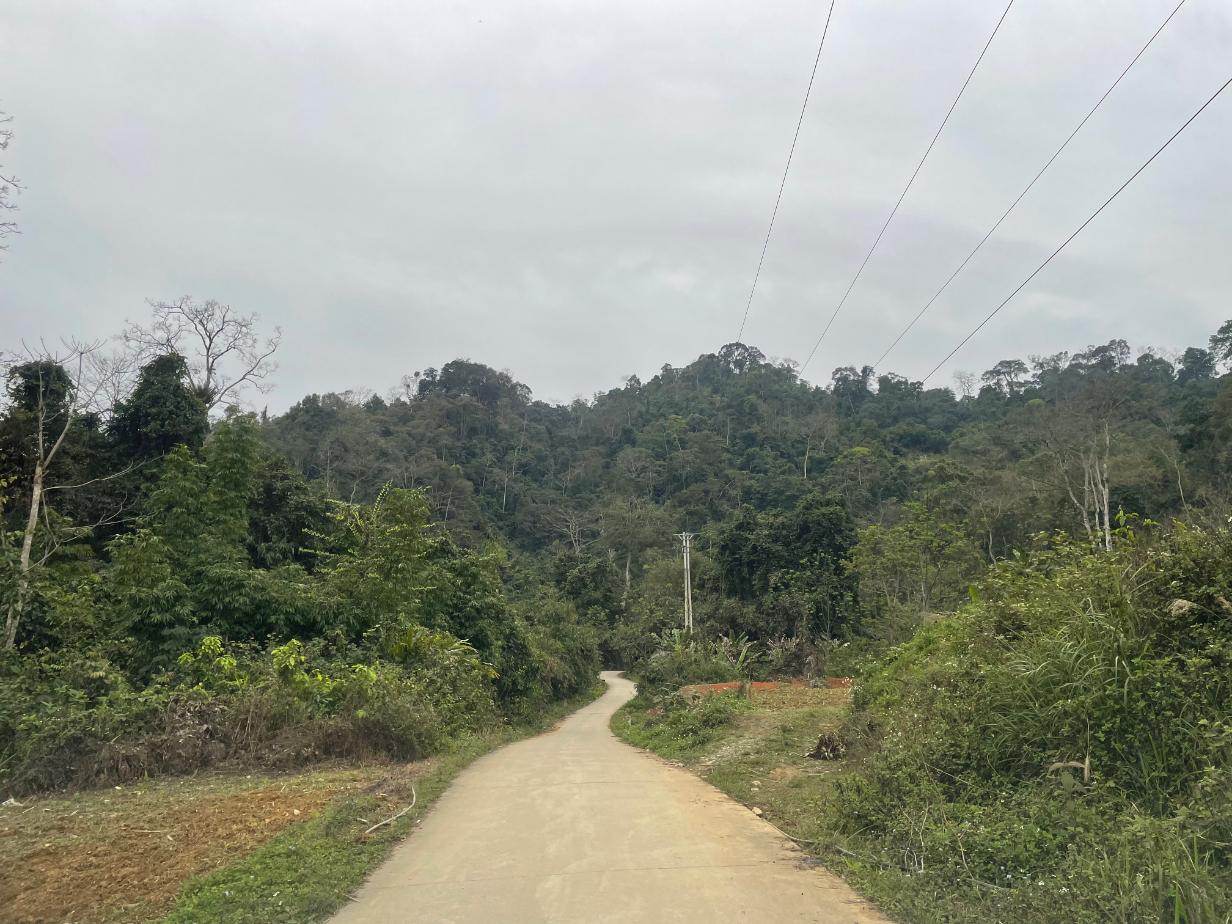
Some forest rangers believe the main cause of the species’ decline is habitat loss and fragmentation, particularly after the construction of the Na Hang hydropower plant (2002–2008). However, many local residents believe that hunting is the primary cause of the sharp population decline and the increasing difficulty of observing the species. This indicates that the species may still exist, although there is very limited evidence confirming its specific numbers in either area. Notably, current conservation efforts face numerous challenges due to a lack of monitoring resources and regular patrolling mechanisms, especially after conservation projects targeting the Tonkin snub-nosed monkey ended in 2013.

Given the conservation status of the Tonkin snub-nosed monkey, PanNature recommends: (i) conducting a comprehensive survey to determine the remaining population and establish a basis for developing effective, appropriate conservation proposals and measures; (ii) enhancing forest patrols and protection to reduce illegal encroachment and poaching; (iii) increasing community awareness to encourage participation in forest protection and conservation of endangered, precious, and rare species; (iv) reviewing the forest management and protection system in Na Hang and Cham Chu to facilitate Tonkin snub-nosed monkey conservation efforts, and considering the establishment of a national park or species and habitat conservation areas in both regions to strengthen conservation mechanisms for high-value forest areas; (v) promoting domestic and international conservation cooperation to mobilize financial and technical support for long-term conservation.
| The Tonkin snub-nosed monkey (Rhinopithecus avunculus) is an endemic species of Vietnam,[1] consistently listed among the 25 most endangered primates in the world.[2] Once recorded in several provinces of Vietnam, it is now narrowly distributed in Ha Giang and Tuyen Quang. In Tuyen Quang, the species has experienced a sharp decline, with only traces of food or vocalizations observed in remote forest areas. In Ha Giang, the monkey was last recorded in 2002 and the population has since grown to 270 individuals, mainly concentrated in Khau Ca (Vi Xuyen and Bac Me Districts), with smaller groups in Tung Vai (Quan Ba District).[3] Notably, in Quan Ba, the species was last seen in 2020 and no further traces have been found, despite surveys by conservation organizations in 2024.[4] The situation in both Quan Ba and Tuyen Quang highlights the urgent need to implement strong conservation actions before it is too late. |
[1] http://vnredlist.vast.vn/rhinopithecus-avunculus/
[2] Schwitzer, C., Mittermeier, R.A., Rylands, A.B., Chiozza, F., Williamson, E.A., Macfie, E.J., Wallis, J. and Cotton, A. (eds.). 2017. Primates in Peril: The World’s 25 Most Endangered Primates 2016–2018. IUCN SSC Primate Specialist Group (PSG), International Primatological Society (IPS), Conservation International (CI), and Bristol Zoological Society, Arlington, VA. 99 pp.
[3] Data provided by FFI (Ha Giang) staff on March 21, 2025
[4] https://news.mongabay.com/2024/12/tonkin-sub-nosed-monkeys-were-found-in-only-two-places-on-earth-now-its-one/
Related Posts