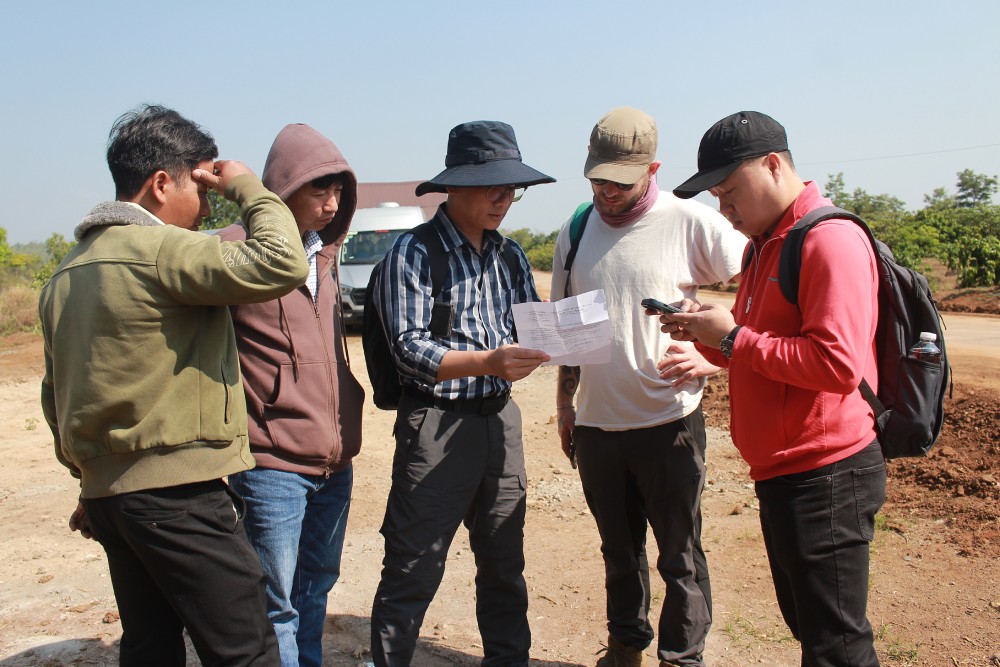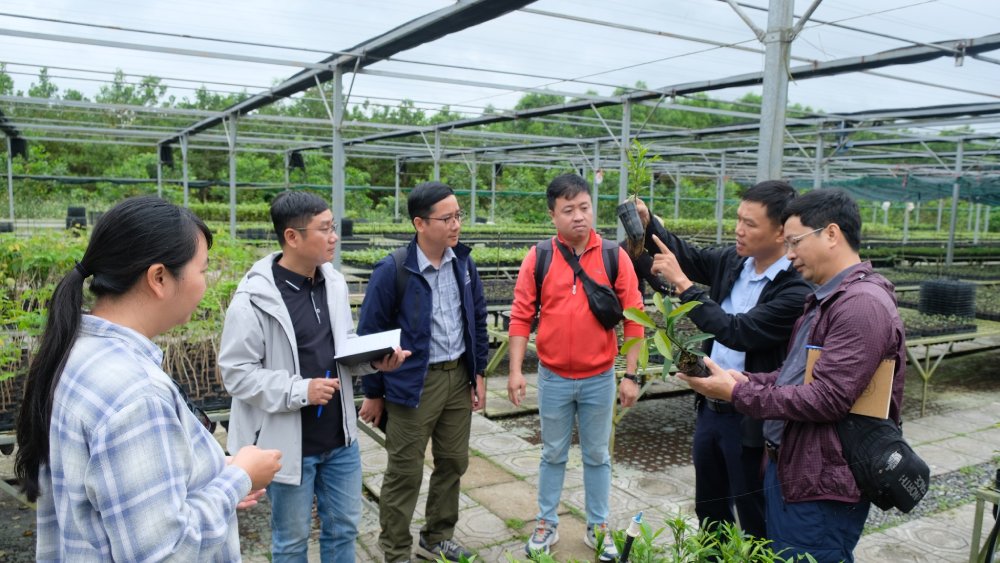
From March 17–20, 2026, within the framework of the Gia…
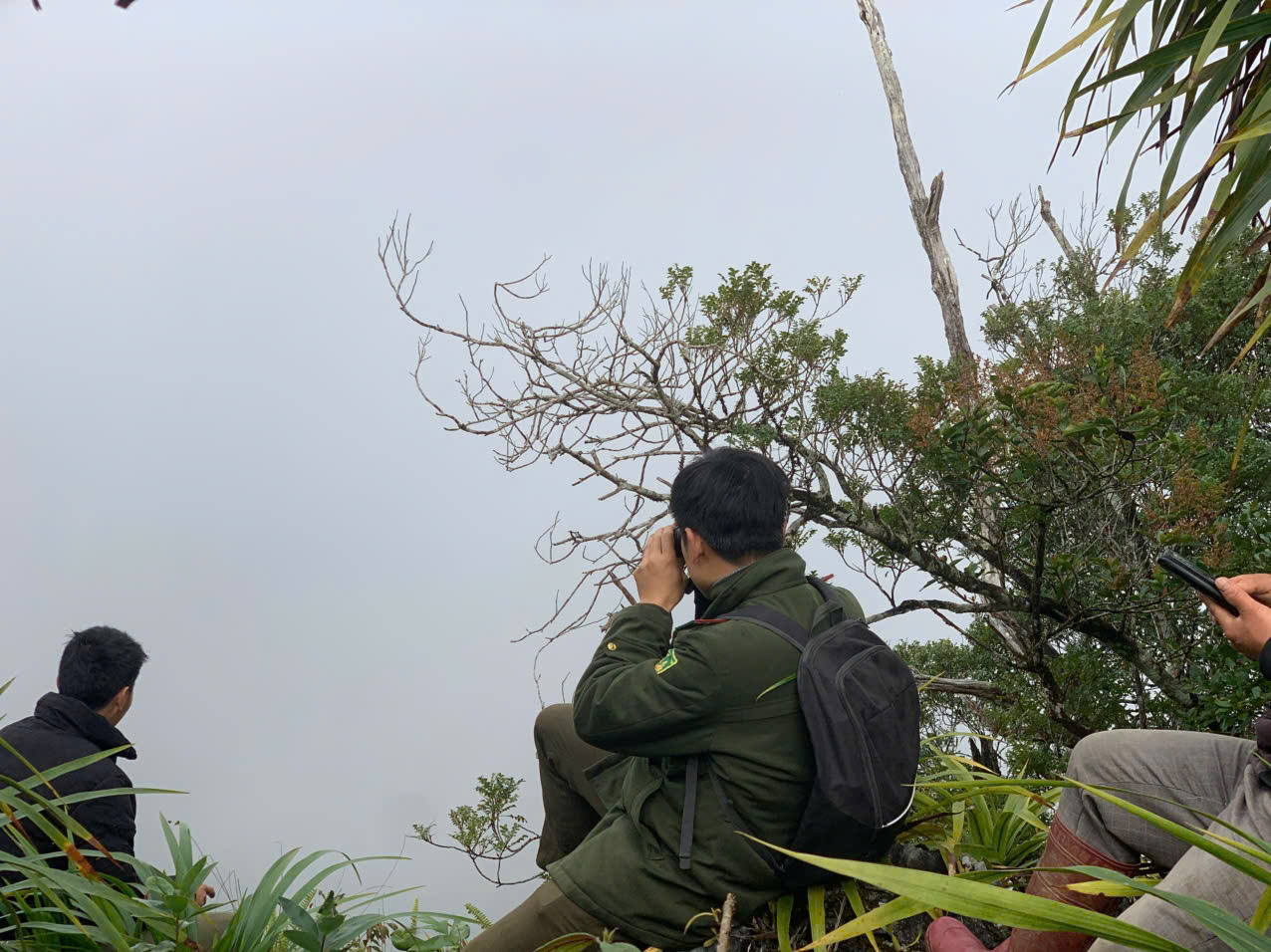
Forest Patrols to Protect Habitat of the Gibbons in Van Ho
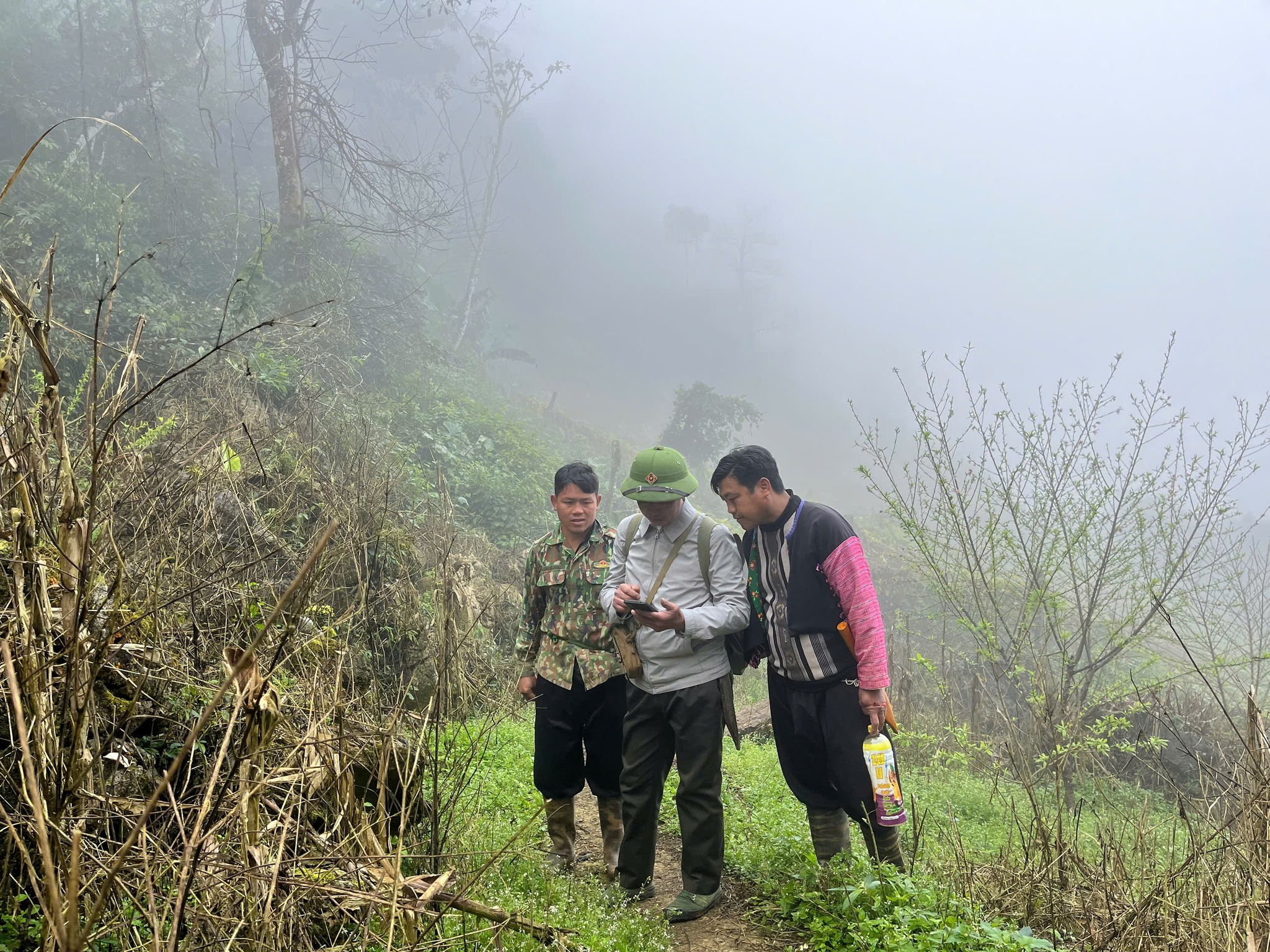
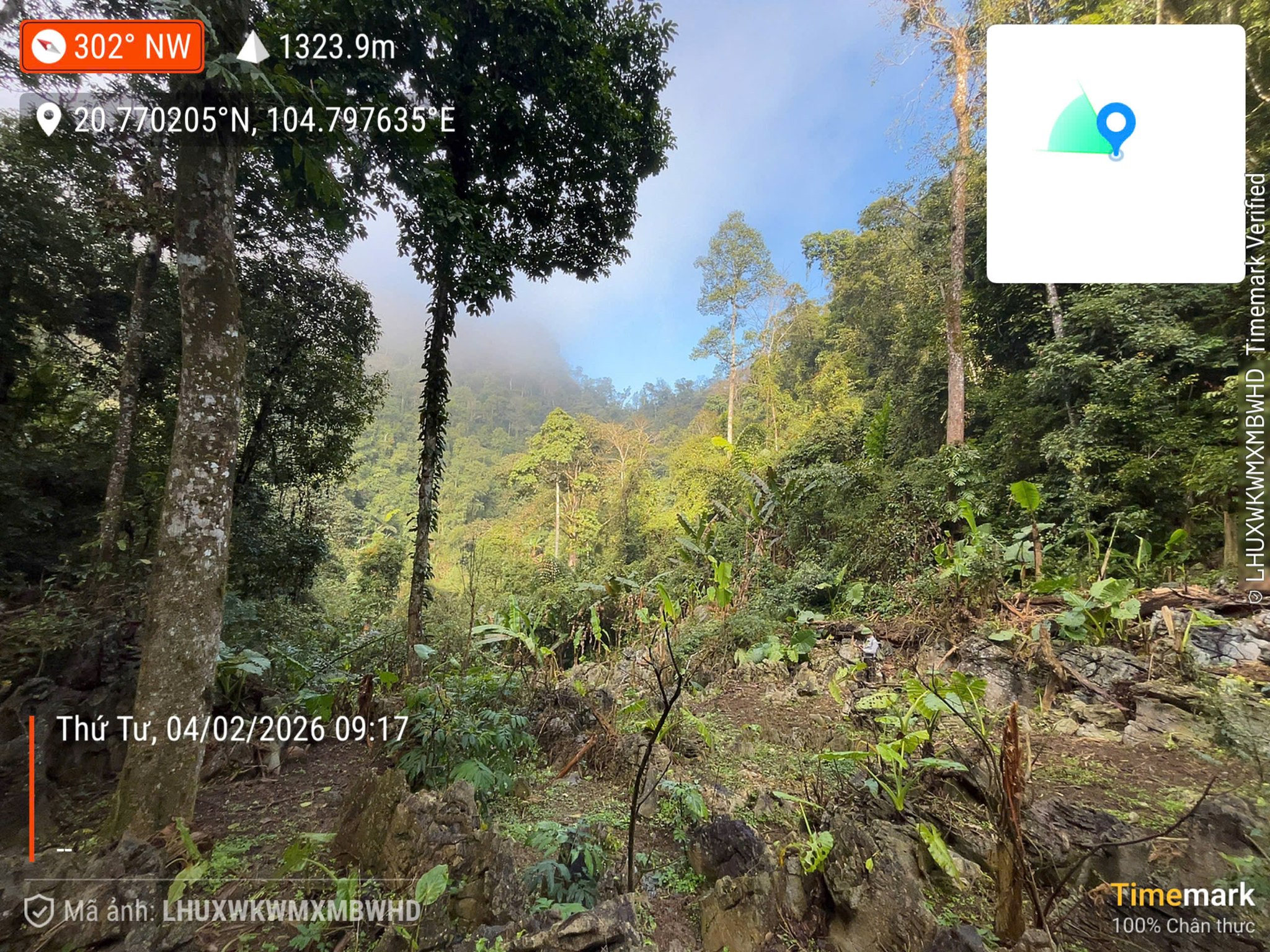
In early February 2026, as part of ongoing forest protection and biodiversity monitoring efforts in Van Ho commune (Son La Province), PanNature worked with the local Forest Protection Department and community forest patrol teams from Hua Tat and Pa Cop villages to conduct a field patrol in areas inhabited by the white-cheeked gibbon.
The patrol aimed to update information on forest conditions and biodiversity while identifying early signs of encroachment or illegal exploitation that could threaten the habitat of this rare primate species. During the patrol, the team recorded several “saddle” areas in the forest that had been disturbed, potentially disrupting the natural movement routes of gibbons. In addition, some valleys within community forest areas showed signs of encroachment for livestock grazing.
Participants in the patrol discussed and agreed to continue working with local residents to move livestock out of sensitive forest areas and to seek resources for restoring forest patches that have been affected. These efforts are intended to help maintain safe habitat corridors and movement pathways for gibbon groups in the area.
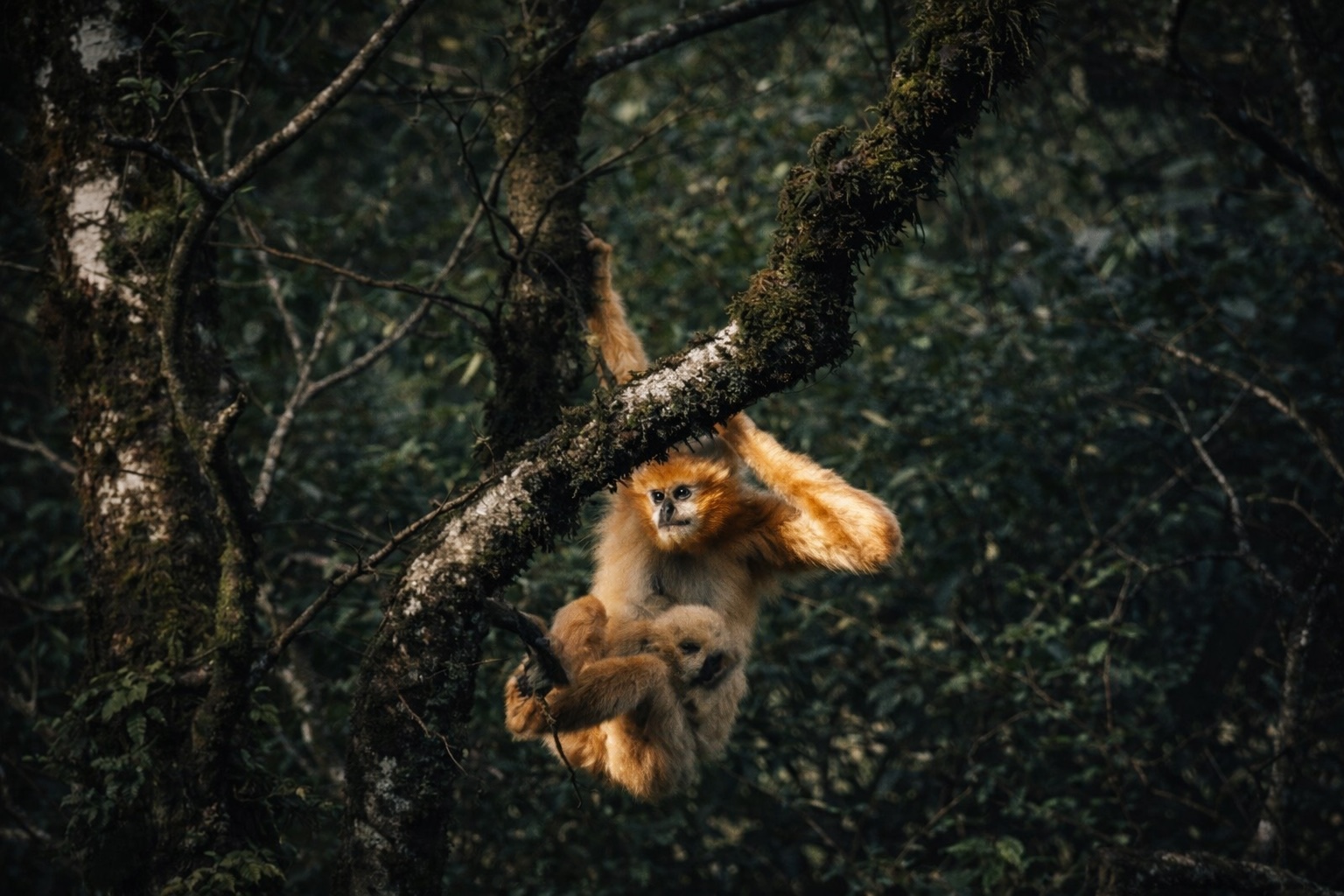
Notably, during a recent field visit, PanNature staff and primate photographers observed a hopeful sign from the forests of Van Ho: a female white-cheeked gibbon carrying a newborn infant estimated to be only a few weeks old. The sighting represents a rare and valuable moment in the monitoring of this endangered primate species.
The appearance of the infant brings the total number of recorded white-cheeked gibbons in Van Ho to 19 individuals. Previously, during a comprehensive survey conducted in July 2024, PanNature documented four gibbon groups with a total of 18 individuals in the area. The birth of a new individual is considered a positive sign, suggesting that the forest habitat in Van Ho continues to provide the necessary conditions for the survival and reproduction of the species.
Regular patrol activities not only help reduce risks of forest disturbance but also strengthen the proactive role of local communities in protecting natural resources. Each newborn gibbon is a reminder of the value of well-protected forests and a source of motivation to continue conservation efforts for this endangered primate in the wild.
In the coming time, PanNature will continue to work closely with local authorities, forest rangers, and communities in Van Ho to maintain patrols, monitoring, and forest restoration activities, contributing to the protection of the habitat and the future of the white-cheeked gibbon—a symbolic species of the region’s forest ecosystems.
Some photos from the patrols:
Related Posts