After 50 years of national reunification and nearly 40 years…
Community Tourism in Viet Nam: Lessons from Nam Dam Village
As Viet Nam works to build a more sustainable future for its tourism sector, a number of small communities are leading the way. In the country’s remote northern regions, community-based tourism efforts often focus on protecting cultural heritage, preserving natural resources, and ensuring that tourism revenue benefits local people directly.
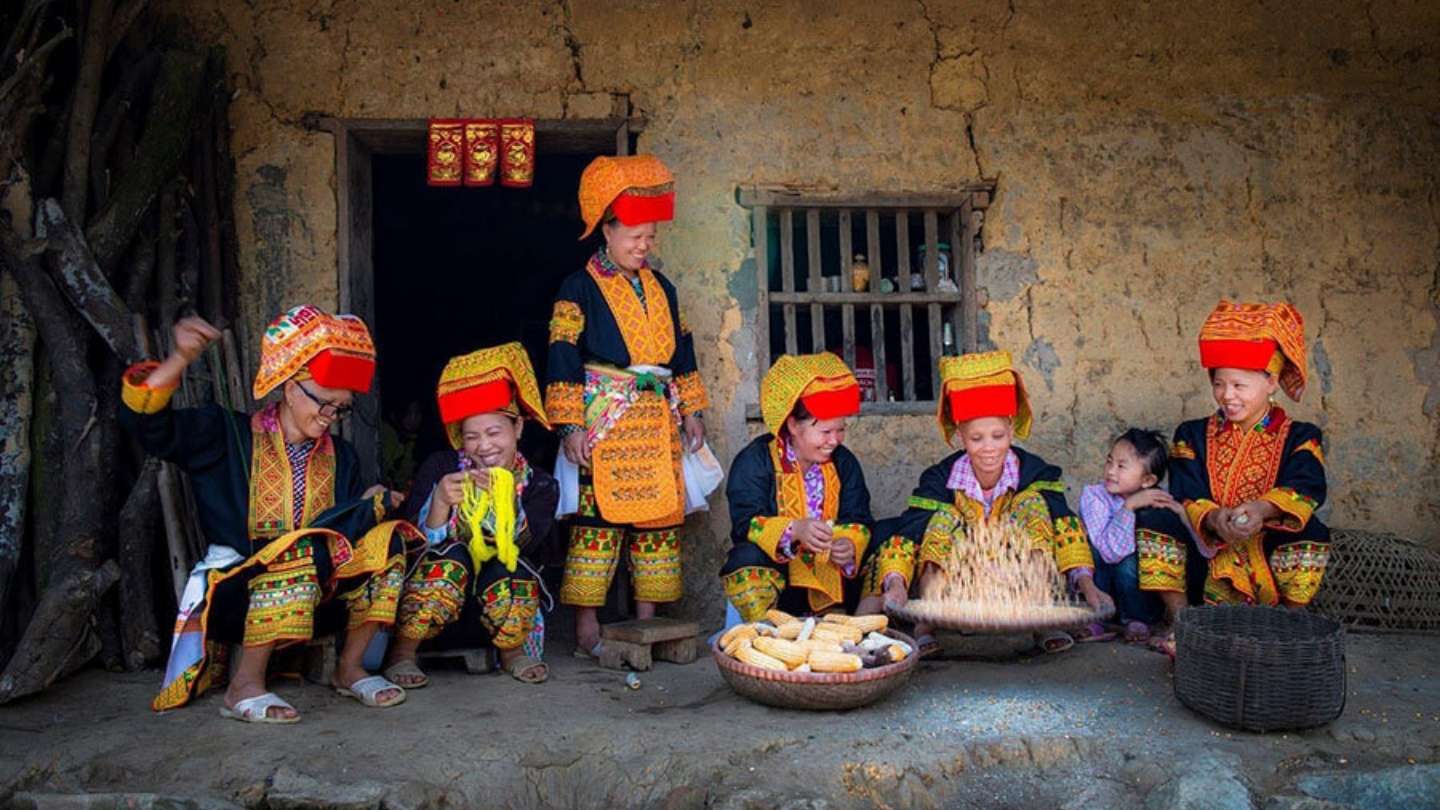
Among the clearest examples of this approach is Nam Dam, a Red Dao ethnic minority village in Ha Giang province.
Located in Quan Ba district, about 45 kilometres north of Ha Giang city, Nam Dam was one of the first villages in the region to adopt community-based tourism as part of a development project launched in 2012. Supported by Caritas Switzerland and PanNature, the initiative helped villagers organise homestays, design trekking routes, and receive training in hospitality, visitor management, and digital promotion techniques.
These efforts laid the foundation for a tourism model that prioritises local ownership, environmental stewardship, and cultural integrity.
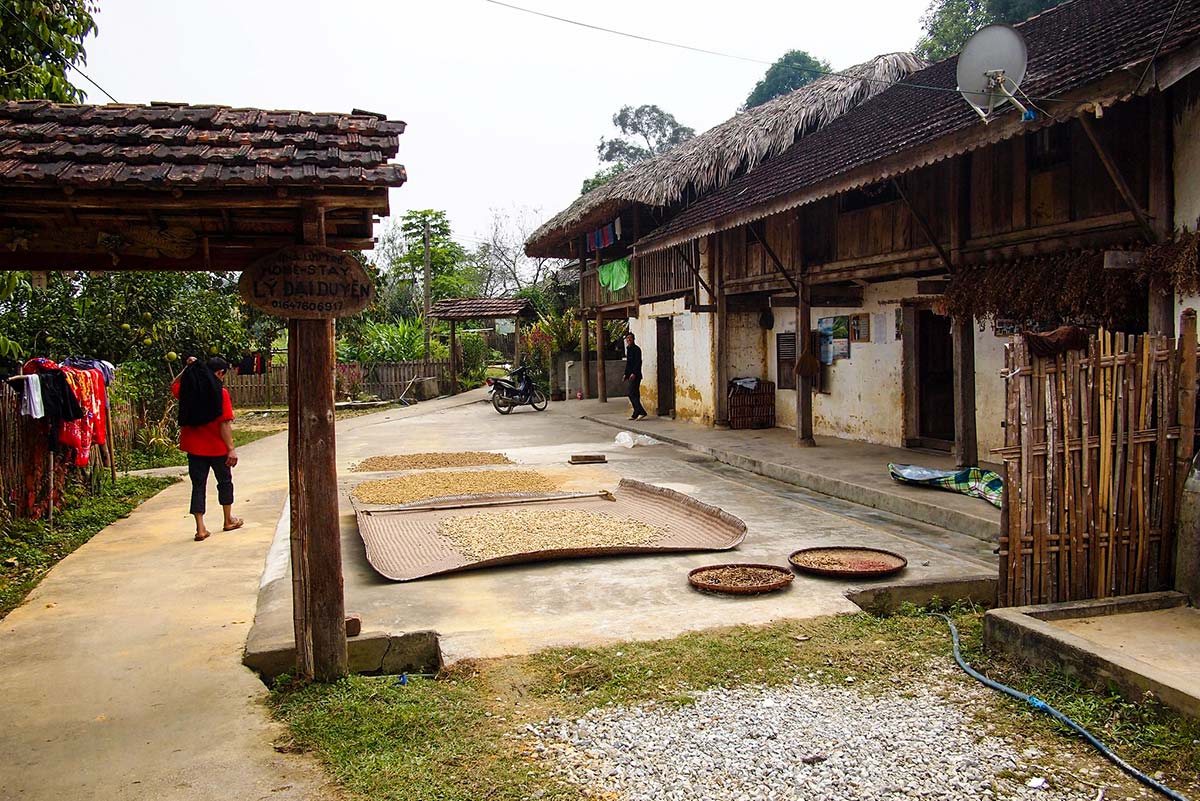
Today, Nam Dam remains a working agricultural village of just over 50 households, nearly all from the Red Dao ethnic group. Visitors stay in traditional trinh tuong houses made of rammed earth and natural materials, designed to stay cool in summer and retain heat in the winter. These homestays offer a practical way for residents to earn supplemental income, while also giving guests a clear window into daily life in the highlands.
Nam Dam’s tourism model is notable for its emphasis on cultural continuity. Residents wear traditional clothing in daily life, prepare local dishes with ingredients from their gardens, and offer activities tied to their customs – such as herbal baths using forest-gathered plants, and weekend performances by the village’s folk troupe.
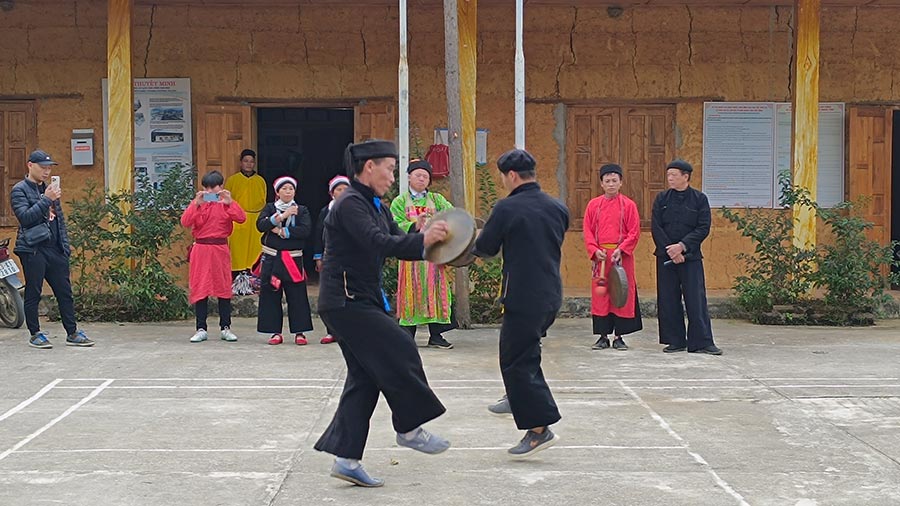
Visitors can also take part in seasonal agricultural tasks or help prepare meals on traditional clay stoves, which are never extinguished.
Importantly, the community has also created a shared tourism fund, where each household contributes a portion of its earnings. As of 2022, each homestay host contributed 8,000 VND per guest to the fund. As the total number of guests numbered over 12,000 people that year, nearly VND 100 million was generated for the conservation fund!
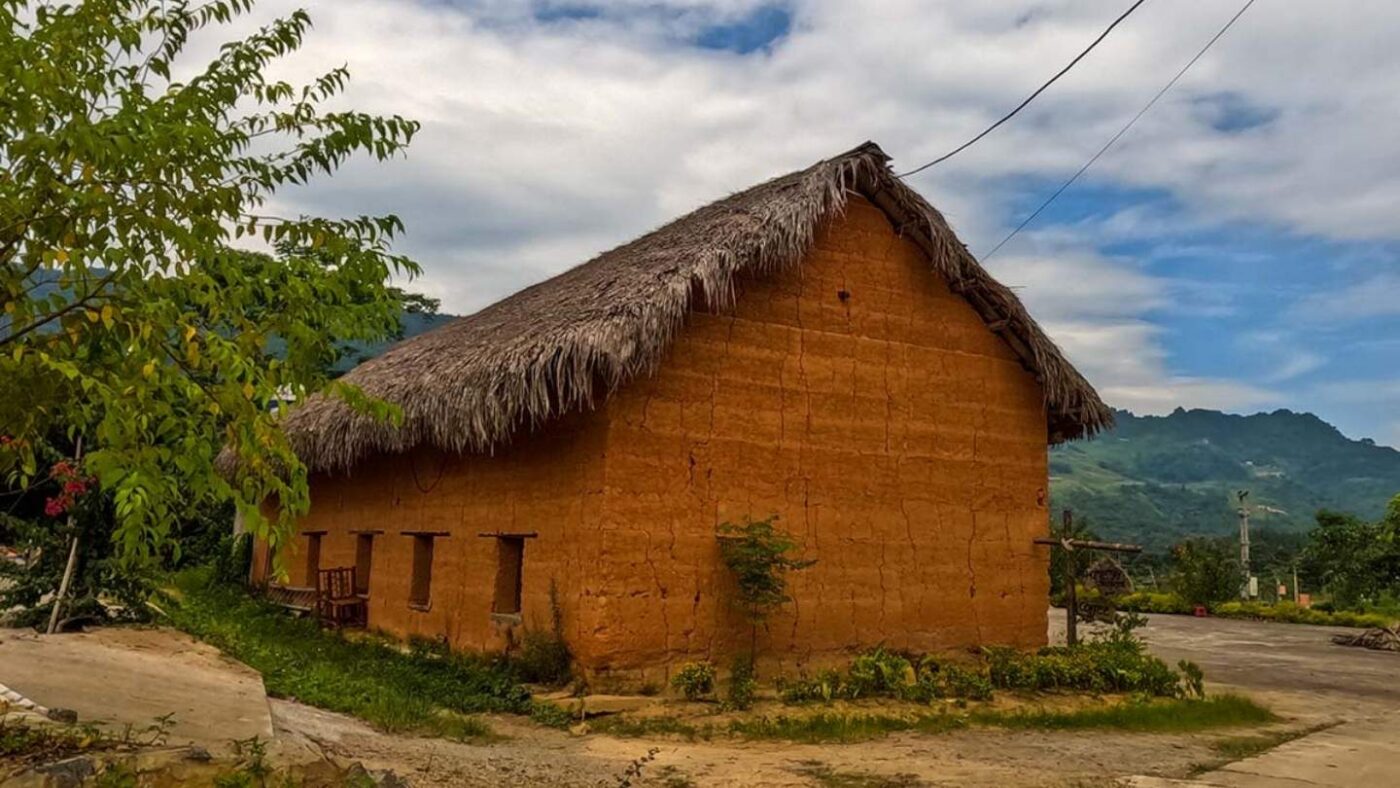
The surrounding area also offers natural attractions that complement the village stay. Short treks lead to Nai Waterfall, a seasonal cascade nestled in dense jungle; and to Nam Dam Hill, where visitors can take in panoramic views of the rice fields and surrounding karst mountains.
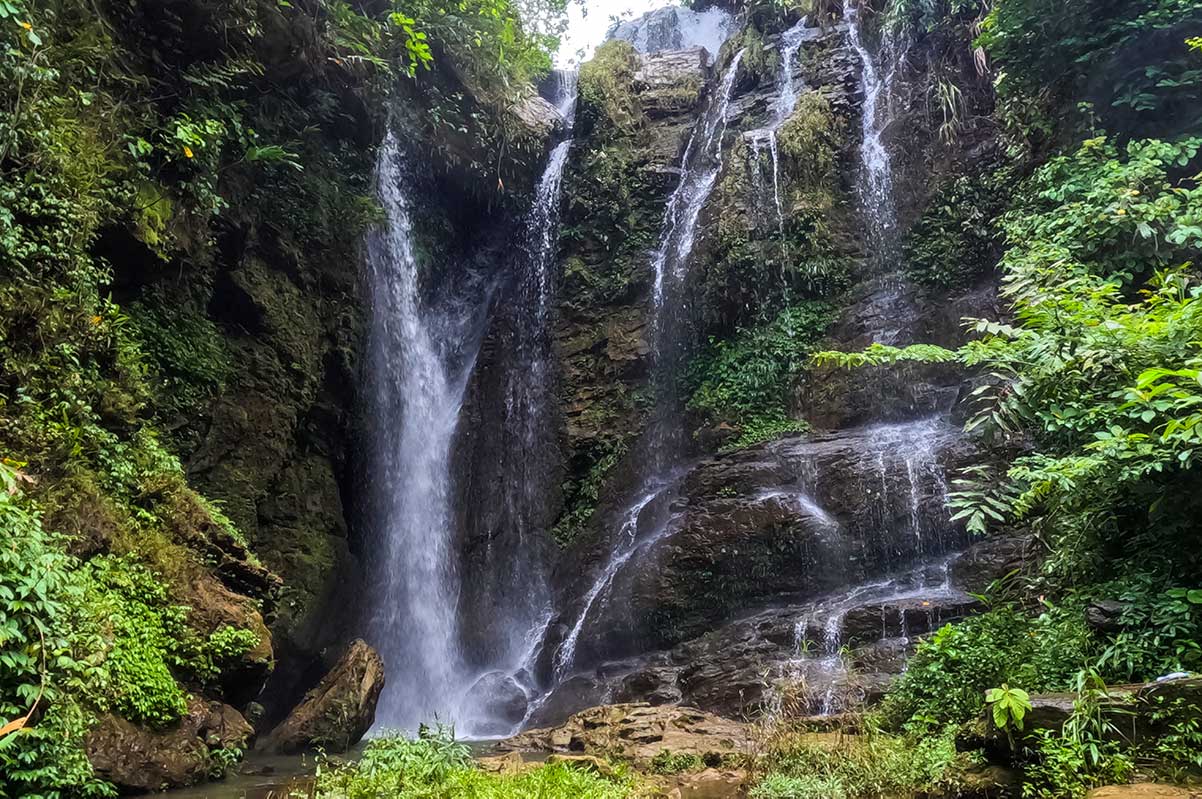
The village is also a convenient stop on the Ha Giang Loop, and lies near other cultural sites such as Lung Tam Weaving Village and Lung Khuy Cave.

Nam Dam’s success has helped spark interest in community tourism throughout Ha Giang and beyond. While not without challenges – such as fluctuating visitor numbers and the need for ongoing capacity-building – the village provides a working example of how rural tourism in Viet Nam can support local livelihoods while safeguarding the cultural and natural assets that make these places unique.
Success stories like Nam Dam show that sustainable tourism is can be a viable, lived reality – a shining example to others in the Greater Mekong Subregion aspiring to follow in its footsteps.
Source: Mekong Tourism Coordinating Office
Related Posts