|
PanNature 2025 Annual Highlights
|
| |
|
Dear Partners and Supporters,
As the year draws to a close, we would like to extend our warmest wishes to you and your teams for a joyful Christmas season and a healthy, prosperous New Year. At this moment of reflection and anticipation, we are pleased to share with you some key highlights from PanNature’s work across Vietnam in 2025 - a year that has marked both meaningful progress in biodiversity conservation and ecosystem restoration, and an important step toward a major milestone. In January 2026, PanNature will celebrate our 20th anniversary, reflecting two decades of commitment to advancing nature conservation, community-based solutions, and constructive partnerships at local, national, and international levels. Your continued collaboration and support have been, and remain, essential to this shared journey.
PanNature Team |
| |
|
Landscape Restoration and Agroforestry Initiatives
|
| |
|
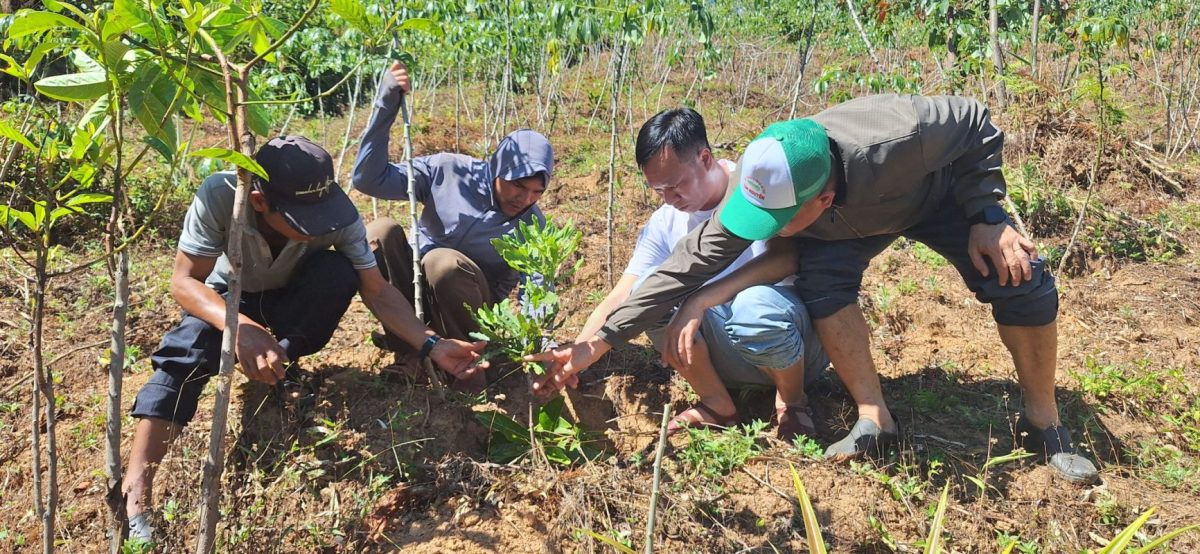
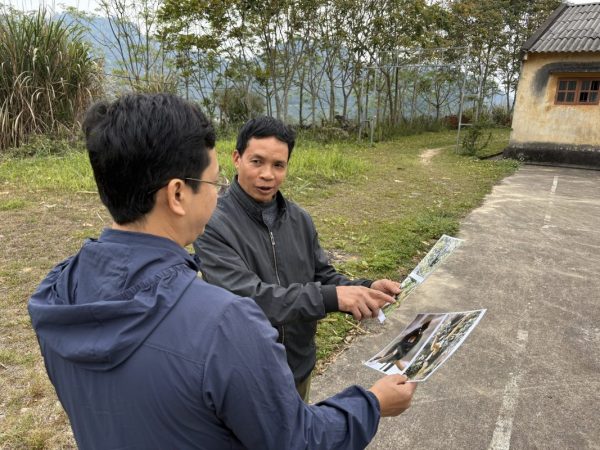
Throughout the year, PanNature worked in the remote Kon Pne Commune (formerly Kbang District of Gia Lai province), supporting farming families in their transition toward more sustainable agricultural practices. This work, implemented under the Green Livelihoods Alliance (GLA2) project, addresses long-standing challenges faced by local Bahnar communities, including soil degradation from intensive cassava cultivation, limited access to agricultural extension services, and vulnerability to climate variability.
In late February and early March 2025, several key activities demonstrated the practical impact of this support. PanNature conducted a comprehensive evaluation of the agroforestry pilot model established on degraded sloping land in September 2024. Six Ba Na households participated in this model, intercropping native timber trees such as green michelia with economic crops like macadamia and pineapple on former cassava plots. The evaluation documented encouraging results, with healthy tree growth and improved soil conditions. As Mr. A Khuêi from Kon Kring Village explained, "We used to plant trees without knowing how to care for them. Now, with training and technical support, we understand how to look after them so they can grow well."
Building on this foundation, PanNature partnered with the Kbang District Agricultural Service Center to deliver two practical training programs. Five households participated in System of Rice Intensification (SRI) training, learning techniques to reduce inputs while improving productivity and climate resilience through careful seedling management, wider spacing, and improved water control. Additionally, 30 community members attended a workshop on organic fertilizer composting, producing two tons of organic compost using locally available materials. Both trainings received strong support from local authorities and enthusiastic farmer participation. The skills learned provide practical tools farmers can apply immediately and refine over time, creating a foundation for ongoing improvement in agricultural sustainability across the Central Highlands.
In December 2025, PanNature, in collaboration with the Department of Agriculture and Environment of Gia Lai Province and Face the Future, officially launched the Gia Lai Agroforestry Development Project (GLAD). Funded by Greenchoice, GLAD is a long-term initiative to be implemented from 2025 to 2035, aiming to enhance climate change mitigation and adaptation through increased green cover in public spaces and community-managed agricultural lands. The project promotes sustainable and climate-resilient agroforestry models, improves environmental quality and biodiversity, and generates additional livelihood and environmental benefits for local communities. The launch marked a strong commitment to cooperation among government authorities, technical institutions, international partners, and local communities toward a greener and more sustainable Gia Lai. |
| |
|
Grassroots Conservation Grants Program
|
| |
|
From the third quarter of 2025, PanNature started implementing the 5-year Grassroots Conservation Grants Program, an initiative funded by Conservation Vietnam that exemplifies the organization's commitment to supporting locally-led conservation. The program provides financial support and technical mentoring to local organizations across Vietnam who have innovative ideas for protecting biodiversity but lack resources to implement them..
The 2025 grant cycle received strong interest across Vietnam. The first batch of proposals, submitted before October 30, received 18 applications. The second batch, submitted before November 15, received 16 applications. These proposals are going through rigorous internal and external reviews by PanNature and volunteer experts. PanNature is announcing funded projects on a rolling basis. The program's first funded grantee is the Vietnam Tuna Association, implementing a project titled "Mitigating Impacts on Endangered, Threatened, and Protected (ETP) Species in Purse Seine Tuna Fisheries".
The diversity of proposals reflects the breadth of community conservation concerns across Vietnam. Applications came from various types of organizations including provincial VUSTA associations, non-state organizations, cooperatives, social enterprises, and community-based organizations. Projects target different ecosystem types including terrestrial forests, wetlands, mangroves and coastal areas, and marine environments. Geographical coverage spans northern, north central, south central and Central Highlands, and southern regions. Proposed interventions include in-situ and ex-situ conservation, rewilding, ecosystem restoration, policy advocacy, education and awareness, community tourism, camera trapping, pollution studies, and taxonomy studies.
Beyond financial support, PanNature provides ongoing technical mentoring to grantees throughout implementation. This mentoring helps groups navigate challenges such as adapting activities when conditions change, resolving stakeholder conflicts, and planning for sustainability after grant funding ends. |
| |
|
Forest Restoration Across Vietnam
|
| |
|
PanNature continued to expand its forest restoration program across Vietnam, achieving significant progress in both the scale of planting activities and the breadth of partnerships supporting this work. The organization's restoration efforts focus on planting native tree species to rebuild degraded forest ecosystems, supporting biodiversity recovery while engaging communities and partners in hands-on conservation action.
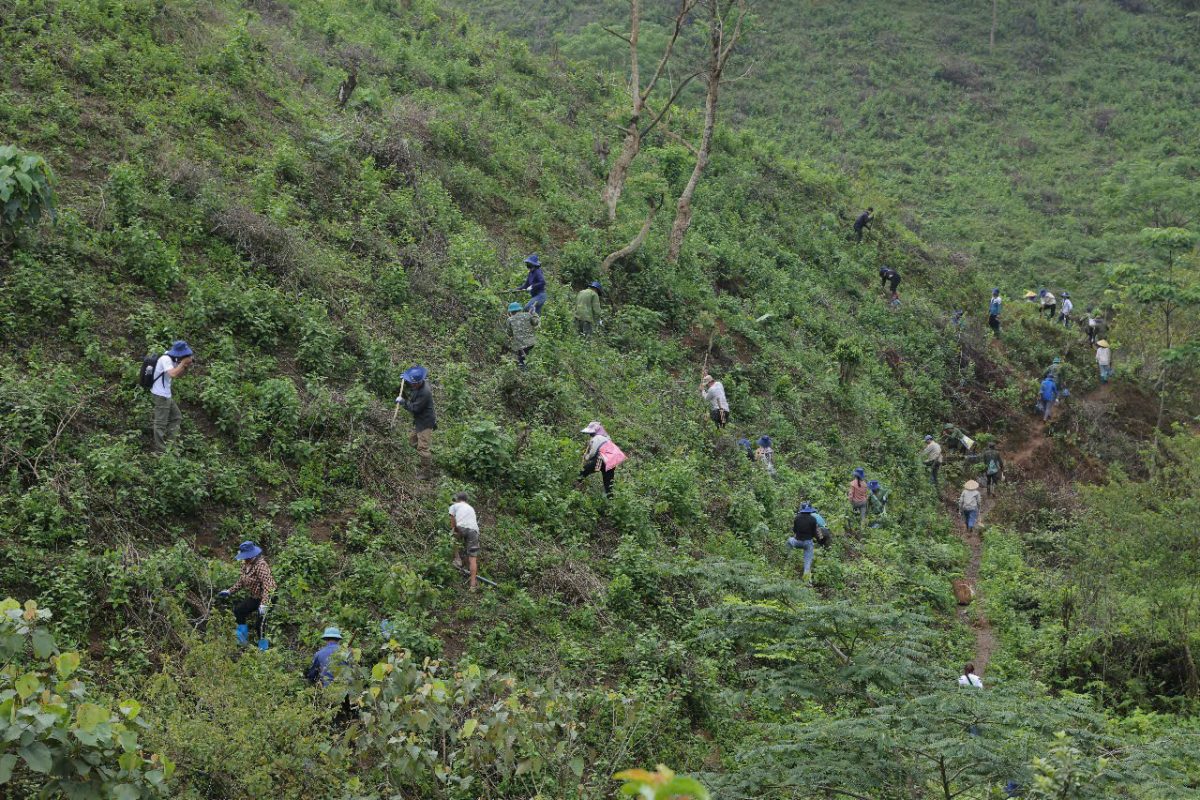
The year's highlight was the "Leaves for Forest Restoration 2025" campaign, which brought together volunteers, corporate partners, and local communities to plant 60,000 native trees across priority restoration sites. These planting events provided meaningful opportunities for urban participants to contribute directly to environmental restoration while learning about the challenges facing Vietnam's forests. PanNature also expanded restoration work to the Central Highlands, where years of intensive agriculture and logging have left many landscapes degraded. The organization worked closely with local communities to establish native tree plantations that integrate conservation with livelihood needs, supporting both ecological recovery and local development.
This year PanNature welcomed several new partners to reforestation efforts, including HP Vietnam, Synex FPT, Digiworld, Elite Tech Company, Avisure, FTech, GTE Localize, Tales by Chapter Joint Stock Company, and Crypto For Life. Their support, along with continued collaboration from Vietnam Airlines, TH Group, TupperWare, Termo, and the Environment Lovers group, enabled PanNature to expand restoration activities and strengthen relationships with communities at planting sites. The growing interest from diverse organizations reflects increasing recognition that forest restoration is both an environmental necessity and a shared responsibility. |
| |
|
Capacity Building for Environmental Journalism at Provincial Level
|
| |
|
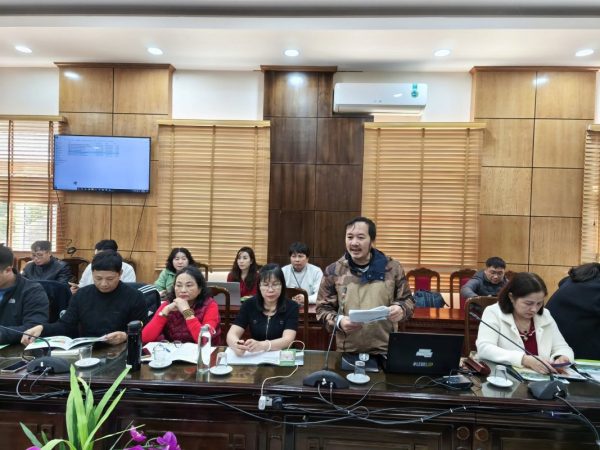
PanNature organized the biodiversity Journalism Sharing workshops to strengthen environmental reporting by local journalists. These workshops brought together reporters and editors from provincial press agencies to develop their capacity for environmental journalism, with particular focus on biodiversity topics that often receive inadequate media coverage. The initiative reflects PanNature's understanding that effective conservation depends not only on field activities but also on informed public discourse, which requires skilled journalists who can translate complex environmental issues into compelling stories.
The workshops created a dedicated space for journalists to learn and exchange experiences through presentations, group discussions, and practical exercises. Expert speakers addressed key challenges in biodiversity journalism, including how to cover scientifically complex topics accessibly, verify scientific information, identify credible sources, and frame conservation stories in ways that emphasize solutions and inspire action. Participants shared their own experiences covering environmental topics and the obstacles they frequently encounter, such as limited access to scientific experts, editorial pressure to prioritize other news, and difficulty making biodiversity stories relevant to readers.
A valuable aspect of these workshops was the opportunity for journalists from different provinces to exchange insights. Reporters shared case studies of environmental stories they had covered, discussing successes and challenges. These exchanges revealed common patterns, including the difficulty of maintaining media attention on slow-developing environmental issues and the challenge of covering conservation conflicts where stakeholders have competing interests. The workshops also addressed practical story development skills, with participants working in small groups to develop story proposals on conservation topics relevant to their provinces. Many journalists left with concrete plans for follow-up stories, ranging from profiles of community conservation initiatives to investigations of environmental law enforcement challenges.
PanNature organized these workshops because local journalists are well-positioned to cover environmental issues in their own provinces with sustained attention that national media often cannot provide. When provincial newspapers, radio, and television regularly report on biodiversity topics, conservation becomes part of ongoing community conversations rather than remaining a specialized concern. We continue to work with the media as an important partner in building public awareness and support for conservation efforts. |
| |
|
Strengthening Provincial and Local Partner Organizations
|
| |
|
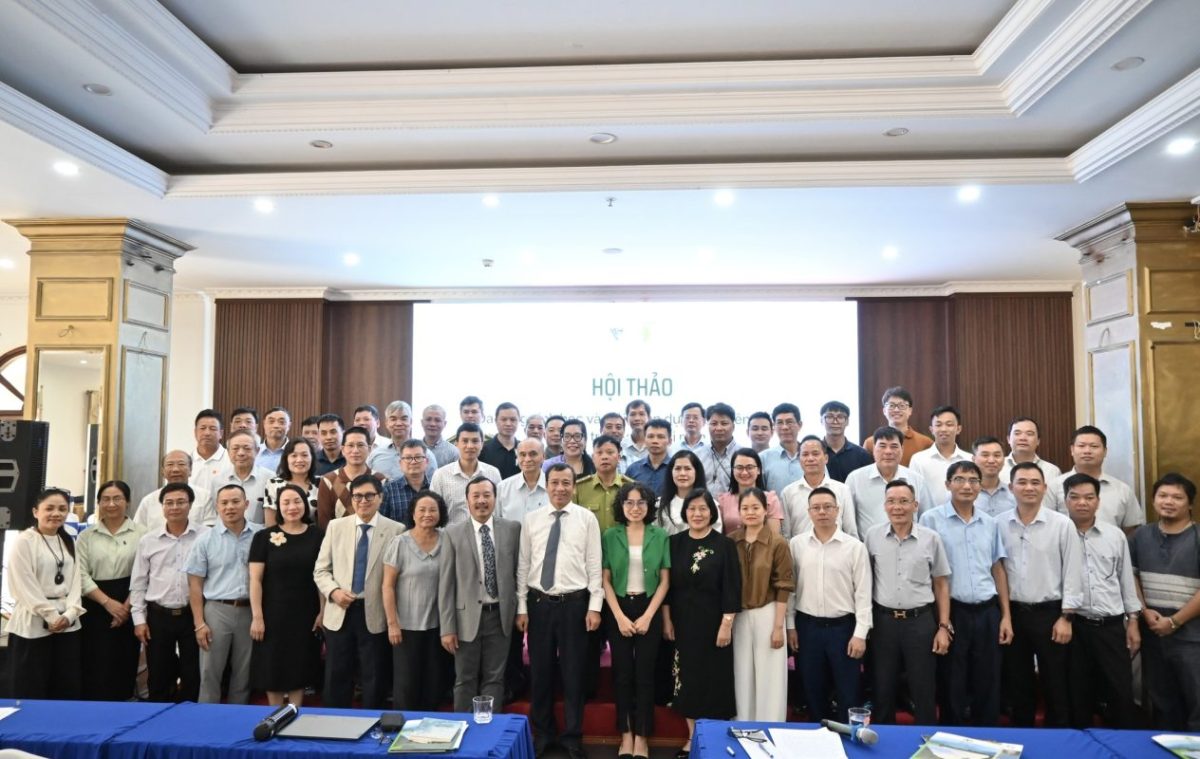
PanNature organized two significant regional workshops that brought together diverse stakeholders to advance biodiversity conservation through dialogue, knowledge exchange, and collaborative planning. These workshops, held in the Central Highlands and Northern Mountains, demonstrated the power of cross-sector engagement in addressing complex conservation challenges that cannot be solved by any single organization working alone.
The first workshop, held in the Kon Ha Nung Biosphere Reserve in Gia Lai Province, focused on "Green Livelihoods and Sustainable Development" in the Central Highlands context. This region faces particular challenges in balancing conservation with development, encompassing some of Vietnam's most biodiverse forests alongside expanding agriculture and infrastructure. The workshop brought together representatives from state agencies, forest rangers, protected area managers, local authorities, NGOs, and community representatives including Indigenous peoples. Workshop sessions explored practical pathways for integrating biodiversity conservation with livelihood development, examining successful models from across the region. Presentations covered sustainable agroforestry systems, community-based ecotourism, payment for ecosystem services schemes, and traditional resource management practices. Discussions emphasized ensuring that conservation approaches support rather than undermine local livelihoods, recognizing that communities are more likely to protect natural resources when they receive tangible benefits.
The second workshop, held in the Northeastern region, addressed "Biodiversity and Nature-Based Solutions for Development," exploring how ecosystem conservation and restoration can contribute to water security, disaster risk reduction, climate adaptation, and food production. This workshop convened policymakers, environmental experts, forest management boards, non-profit organizations, community groups, and notably members of provincial Vietnam Union of Science and Technology Associations (VUSTA). The VUSTA members' participation was particularly valuable, as these provincial scientific associations bridge research and practice. Workshop presentations highlighted specific examples of nature-based solutions including forest restoration in upper watersheds, mangrove restoration in coastal areas, sustainable management of non-timber forest products, and integration of biodiversity considerations into agricultural planning. Both workshops provided platforms for open dialogue about difficult topics where stakeholders don't always agree, creating space for meaningful exchange and collaborative exploration of solutions. |
| |
|
Building Capacity at Xuan Nha Nature Reserve
|
| |
|
PanNature deepened its collaboration with Xuan Nha Nature Reserve through activities focused on protecting two of Vietnam's most threatened conifer species: the Xuan Nha Pine (Pinus dalatensis) and the Taiwanese China fir (Cunninghamia konishii). These endemic conifers are found in only a handful of locations across Vietnam's northern mountains and face increasing threats from habitat degradation, illegal harvesting, and climate change.
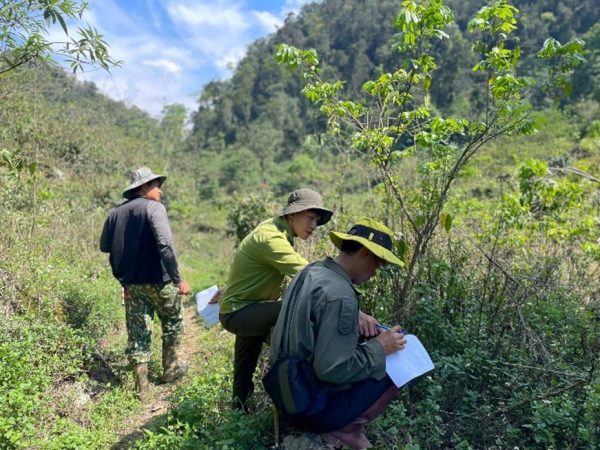
PanNature's work began with comprehensive ecological assessments to better understand the current status of these conifer populations. Field teams conducted systematic surveys to map distribution, estimate population sizes, identify critical habitat areas, and assess threats. The surveys revealed that while both species maintain populations within the reserve, they face ongoing pressures from selective logging and inadequate natural regeneration in some areas. Building on these assessments, PanNature worked with reserve management to strengthen co-management practices involving both forest rangers and local communities. Through community meetings and planning workshops, the organization facilitated discussions about sustainable forest use, the value of rare conifers, and opportunities for communities to benefit from conservation through activities like ecotourism or payments for ecosystem services.
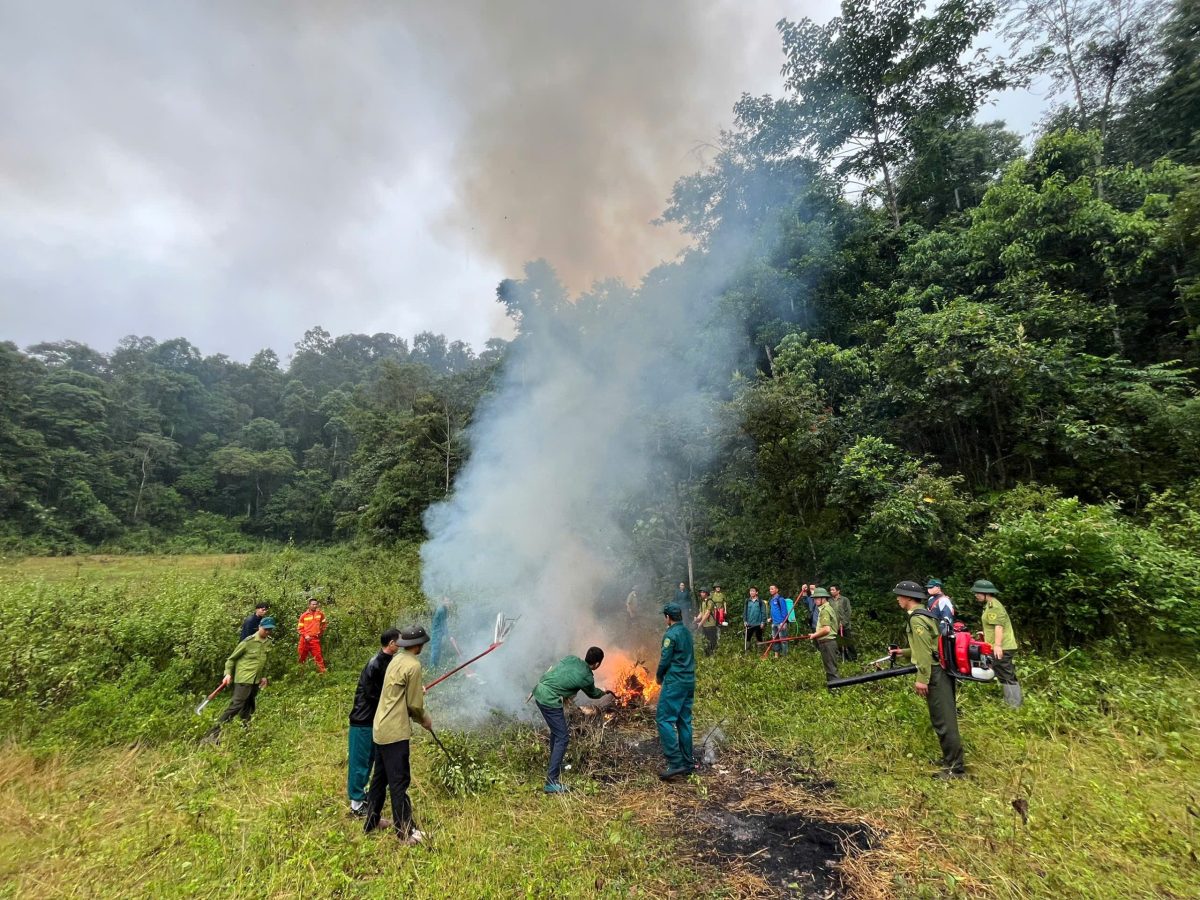
PanNature also organized two major capacity-building programs for the reserve's forest protection force. The first training focused on forest fire prevention and emergency response, addressing one of the most serious threats to conifer populations. Rangers learned fire risk assessment, early detection techniques, firefighting methods for steep mountain terrain, and emergency coordination protocols. The second training introduced SMART Mobile technology for improving patrol effectiveness. Rangers learned to use mobile devices to record patrol routes, document rare species observations, photograph threats, and report illegal activities in real time. This technology transforms patrolling into systematic data collection that builds knowledge over time, reveals threat patterns, and guides resource allocation decisions. |
| |
|
Policy Dialogue, Scientific Exchange, and Nature-based Solutions
|
| |
|
In mid-February 2025, PanNature organized an important seminar in Vân Hồ, Sơn La, bringing together representatives from government agencies, research institutes, conservation organizations, universities, and local communities to explore a promising pathway for expanding Vietnam's conservation landscape. The event focused on how Other Effective Area-based Conservation Measures (OECMs) can complement traditional protected areas and contribute meaningfully to national biodiversity targets. The seminar represented an important shift in conservation thinking, recognizing that effective biodiversity protection extends beyond formal national parks to include areas where conservation outcomes are achieved through various governance and management approaches.
Throughout the gathering, participants engaged in detailed discussions about the identification, recognition, and management of OECMs in Vietnam. Speakers presented both global frameworks and local case studies, demonstrating how community-managed forests, sacred sites, and other effectively conserved areas can receive formal recognition for their conservation value. The discussions covered sites across Sơn La, Quảng Bình, and Quảng Nam provinces. Among the most compelling examples was a community-managed forest in Vân Hồ that provides critical habitat for the critically endangered Black-cheeked gibbon. This forest, stewarded by local communities for generations, exemplifies how traditional management practices can align with modern conservation goals while maintaining cultural connections and supporting local livelihoods. |
| |
|
Protecting the Northern White-cheeked Gibbon in Van Ho
|
| |
|
PanNature continued its commitment to protecting the critically endangered Northern White-cheeked Gibbon in the limestone forests of Van Ho District, Son La Province. These forests represent one of the last refuges for this species, but face ongoing threats from illegal logging, wildlife snaring, and forest encroachment that fragment vital habitat corridors.
In recent months, PanNature coordinated joint forest patrols with the local forest protection unit and the community-led forest guard team. These patrols cleared known hotspots of illegal activities, removing snares and documenting illegal logging sites. The teams also monitored gibbon populations, recording calls and observing feeding areas to better understand habitat use and movement patterns. This regular patrol presence serves both to deter illegal activities and to gather critical data on gibbon groups and the threats they face.
Alongside direct protection efforts, PanNature organized a capacity-building workshop to strengthen the communication and outreach skills of the local gibbon patrol team. The training equipped participants with practical skills in documenting forest conditions, recording wildlife sightings, and engaging community members in conservation discussions. Participants learned to use photography and social media effectively to share conservation messages, and practiced presenting information at community meetings. The workshop emphasized the patrol team's role not just as enforcers, but as conservation advocates who can build broader community support for protecting the forest and its wildlife. By combining regular patrols with strengthened local capacity, PanNature is building a sustainable, community-based approach to gibbon conservation in Van Ho. |
| |
|
Primate Population Surveys in Van Ho and Tuyen Quang
|
| |
|
PanNature field teams completed two critical primate surveys in northern Vietnam that revealed starkly different conservation situations, offering both hope and sobering warnings about the state of Vietnam's endangered primates. These surveys underscore the urgent need for sustained, community-based conservation efforts.
In July 2025, PanNature organized a comprehensive survey of the Northern White-cheeked Gibbon population in Van Ho District's limestone forests. The survey team spent several weeks systematically covering known and potential gibbon habitat, using listening posts at dawn, transect surveys, and interviews with local villagers. The results offered cautious encouragement: the team documented four distinct gibbon groups totaling 18 individuals, an increase from previous estimates. This apparent population growth suggests that recent conservation efforts, including regular patrols and community engagement activities, are having a positive impact. However, survey teams also observed ongoing forest clearing and habitat fragmentation driven by shifting cultivation. The findings identified several critical forest corridors connecting gibbon territories that are at risk of being severed by agricultural expansion. While the population shows resilience, its long-term future depends on stronger community-based protection and alternative livelihood support.
The situation in Tuyen Quang Province presented a far more alarming picture. PanNature conducted a rapid assessment of the Tonkin Snub-nosed Monkey across its former distribution areas in Na Hang, Ham Yen, and Chiem Hoa districts. Despite extensive efforts, the team found almost no recent reliable sightings. Local villagers reported occasional distant calls, and survey teams discovered a few scattered feeding traces, but no direct observations were made. The evidence suggests that if a population still exists, it may number fewer than 20 individuals. This dramatic decline stems from multiple factors operating over many years: historical hunting pressure, habitat loss from logging and agricultural expansion, and lack of sustained monitoring and conservation attention.
Together, these surveys deliver an important message: the situation in Van Ho demonstrates that recovery is possible when communities are engaged and habitat is protected, while Tuyen Quang shows how quickly species can slip toward extinction when these elements are absent. Both underscore that local communities are the first and most important line of defense for biodiversity, and effective conservation must be long-term and need significant resources to engage local stakeholders. |
| |
|
Marine and Wetland Conservation
|
| |
|
Marine and wetland conservation is a relatively new thematic focus for PanNature, reflecting our strategic expansion beyond terrestrial ecosystems. We are actively developing projects and partnerships in this area to build long-term, collaborative initiatives that strengthen coastal and wetland conservation and community resilience in Vietnam.
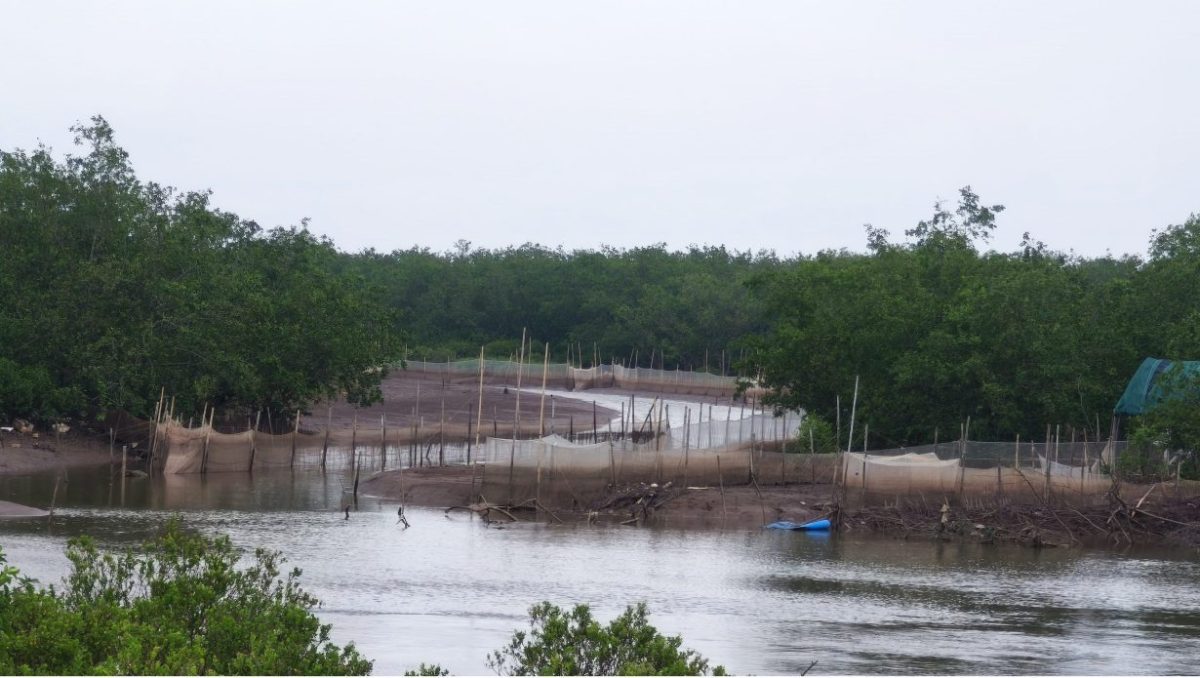
In 2025, PanNature began preparation for initial implementation of the project “Transitioning SCAs to Marine OECMs in the Northern Coast of Vietnam,” funded by the UK OCEAN Programme, part of the UK Blue Planet Fund. The project aims to ensure the long-term preservation of coastal and marine ecosystems while supporting sustainable livelihoods for local communities in the Quat Lam and Hon Ne seasonally closed areas (SCAs). A central objective of the initiative is to empower coastal communities by strengthening their participation in decision-making processes and natural resource management, recognizing that strong community engagement is essential for durable and effective conservation outcomes.
Located in former Nam Dinh, Ninh Binh, and Thanh Hoa provinces within the Red River Delta, Quat Lam and Hon Ne SCAs play a critical role in safeguarding aquatic species and sustaining livelihoods linked to fisheries, tourism, and aquaculture. However, these areas face mounting pressures from overfishing, infrastructure development, weak enforcement, and illegal fishing activities. Through the transition of SCAs into marine Other Effective Area-based Conservation Measures (OECMs), the project seeks to improve governance, strengthen community stewardship, and secure both biodiversity conservation and livelihood sustainability along Vietnam’s northern coast.
Within this thematic area, PanNature also implemented a smaller yet innovative fundraising and awareness initiative titled “Nurturing the Sea,” in partnership with the Giving Lunch program on the MoMo platform. The campaign applied a creative crowdfunding model in which volunteer Ambassadors mobilized their personal networks to support marine conservation by turning everyday social interactions into opportunities for giving and dialogue. Focusing on coastal ecosystem protection in Nghĩa Hưng District, Nam Định Province, the initiative aimed to restore marine ecosystems, protect mangrove forests, and support sustainable livelihoods for local fishing households. Through the campaign, PanNature received 113 individual donations and reached a wide urban audience via social media and personal networks, demonstrating growing public willingness to engage in marine conservation when accessible and meaningful channels are provided. PanNature sincerely thanks the dedicated Ambassadors whose time, commitment, and networks were instrumental to the success of the 2024–2025 campaign. |
| |
|
With deep appreciation, PanNature acknowledges the colleagues who have contributed their dedication, expertise, and commitment to our mission, as well as the new team members who bring fresh perspectives and energy to our work. This year has been one of meaningful transition, and we are grateful for those who continue their journeys beyond PanNature while warmly welcoming new members into our growing conservation family. |
| |
|
Ms. Nguyễn Thúy Hằng – Head of Communications
Ms. Hằng concluded her role at PanNature in 2025 after leading numerous communication initiatives and conservation awareness campaigns. Throughout her time with the organization since 2008, she strengthened PanNature's visibility and presence within Vietnam's conservation community, working across multiple platforms to promote environmental responsibility and engage diverse audiences. We deeply appreciate her leadership and wish her the very best in her next endeavors.
Ms. Phan Thị Bích Hường – Communications Officer / Editor
After 15 years with PanNature, Ms. Hường stepped back from her role in November 2025 to spend more time with her family. Her careful editing, attention to detail, and professional relationships left their mark on countless PanNature publications, reports, and communications materials. She helped shape how the organization presents itself to partners, donors, and the public. We are grateful for her dedication and commitment over the years, and we wish her happiness in this new phase of life.
Ms. Tô Thị Bích Ngọc – Communications & Fundraising Officer
Ms. Ngọc joined PanNature in 2011 as a communications intern and grew into a key member of our communications and fundraising team. Over her years with the organization, she played an instrumental role in shaping PanNature's corporate fundraising work, including the highly successful "Góp Lá Vá Rừng" (Leaves for Forests) program in collaboration with Vietnam Airlines. Her creativity, dedication, and relationship-building skills helped expand our partnerships significantly. Ngọc left PanNature to focus on her family and pursue further studies. We wish her all the best in this new chapter.
Mr. Nguyễn Văn Hoàng – Forest Development Officer
Hoàng joined PanNature in 2019, bringing extensive experience in forestry and business collaboration. He made substantial contributions to the organization's green development initiatives, helping build partnerships with companies and advancing sustainable forestry practices. Hoàng concluded his work at PanNature in August 2025 to pursue a new business venture. We thank him for his expertise and professionalism, and wish him success in his entrepreneurial journey.
Ms. Trần Thị Thanh Hải – Fundraising Officer
Ms. Hải has been with PanNature since 2006, joining during the organization's early days as an intern. Over nearly two decades, she made major contributions across various roles including data management, policy, communications, and fundraising. Her institutional knowledge, commitment, and versatility strengthened PanNature through many phases of growth and change. We deeply appreciate Hải's long dedication and wish her joy and fulfillment as she focuses on her family.
Mr. Phạm Văn Dũng – Policy Coordinator
Mr. Dũng joined PanNature earlier in 2025 and departed after several months to pursue his doctoral studies. During his tenure, he made meaningful contributions to the Thriving Landscapes project, particularly in activities related to sustainable coffee production in the Central Highlands. We are grateful for his dedication and analytical contributions, and we wish him success in his academic journey.
Mr. Lê Tùng Linh – Field Officer, Vân Hồ
Mr. Linh coordinated forest restoration activities in Vân Hồ before concluding his work with PanNature in early 2025. He built strong foundations through effective engagement with local authorities and communities, preparing the groundwork for PanNature's reforestation efforts in the region. We sincerely thank him for his commitment and dedication to community-based conservation in Sơn La Province. |
| |
|
Welcoming New Energy and Expertise
|
| |
|
Mr. Nguyễn Thế Cường – Deputy Director of Programs
On May 19, 2025, PanNature officially appointed Mr. Nguyễn Thế Cường as Deputy Director of Programs. With more than 20 years of professional experience in forestry, biodiversity conservation, and community development, Mr. Cường brings strong program leadership skills to the organization. He holds a Master's degree in Forestry from Vietnam National University of Forestry and has served in program coordination and management positions at respected organizations including FAO, TRAFFIC, SRD, IUCN, ZSPC, and FFI. He has also been a senior consultant for international organizations such as WWF, ChildFund, GIZ, RECOFTC, GfA, and SA. His career is deeply rooted in practical conservation work, including supporting forestry and biodiversity policy development, designing livelihood models for forest-dependent communities, assessing environmental and social impacts for forestry enterprises, and training more than 3,000 forest rangers, environmental police officers, and customs officials on sustainable forest management and biodiversity monitoring. In his new role, Mr. Cường oversees PanNature's key program pillars—Ecosystem Restoration, Conservation & Community, and Business & Policy—while directly leading the Conservation & Community Department. We are honored to welcome Mr. Cường to our leadership team.
Ms. Nguyễn Khánh Linh – Communication Officer
Linh graduated in Public Relations from the Academy of Journalism and Communication. Before joining PanNature, she gained experience working on government projects, NGO initiatives, and CSR programs. As Communication Officer, her responsibilities include supporting daily communication activities, managing content and visuals across digital platforms and publications, producing communication materials such as graphics, photos, and videos, ensuring brand consistency, and contributing to campaigns, public events, and awareness-raising efforts on nature conservation and sustainable development. We are pleased to have Linh's energy and skills strengthening our communications work.
Ms. Trần Thị Mai Trang – Communication & Fundraising Officer
Trang graduated in Natural Resources and Environmental Management from the Hanoi University of Natural Resources and Environment. Before joining PanNature, she spent more than five years working with non-profit organizations in environment and community development. At PanNature, she is responsible for fundraising and public relations, helping expand partnerships and mobilize diverse resources in support of nature conservation. Her experience in both environmental management and non-profit operations brings valuable perspectives to our team. We welcome Trang's contributions to growing our supporter community.
These transitions reflect the natural evolution of any organization committed to long-term conservation impact. As we close 2025, PanNature remains grateful for past contributions while energized by new colleagues joining our mission to protect Vietnam's biodiversity and support community-based conservation. |
| |
|
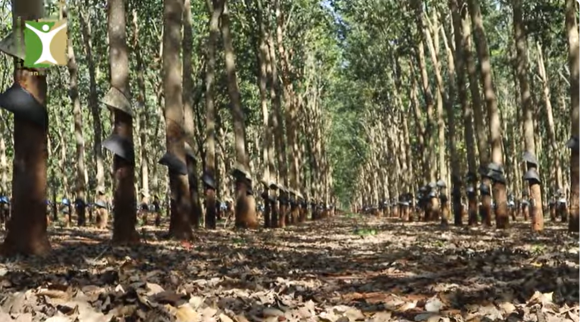
Video on our work with Vietnamese companies for sustainable rubber |
|
|
|
|
| |
|
Supporting Our Journey: 20 Years for Nature
With gratitude and pride, PanNature reflects on nearly two decades of conservation work in Vietnam. Since our founding, we have worked hand in hand with local communities, partners, and supporters to advance policy change, restore degraded forests, and protect endangered species across diverse landscapes—from the limestone hills of Vân Hồ to the Central Highlands and Vietnam’s coastal ecosystems. This journey has been possible because of the shared commitment of those who believe in community-based, science-informed conservation.
Conservation is a long-term endeavor that requires patience, sustained resources, and collective responsibility. As PanNature approaches its 20th anniversary in January 2026, we are entering a new chapter and have launched a GlobalGiving fundraising campaign, “20 Years for Nature: Help Us Continue Our Path.” Your support enables us to continue working with local communities, expand ecosystem restoration, strengthen protection for endangered species, and deepen the partnerships that make lasting conservation impact possible.
We warmly invite you to support PanNature’s work by visiting our campaign and joining us in shaping the next chapter of conservation for people and nature in Vietnam. |
| |
People and Nature Reconciliation
NV 31, Khu do thi Trung Van, Dai Mo ward, Hanoi, Vietnam
| |
|